
Why Does Wine Get Better with Age? Discover the Secrets!
Understanding the Science Behind Aging Wine
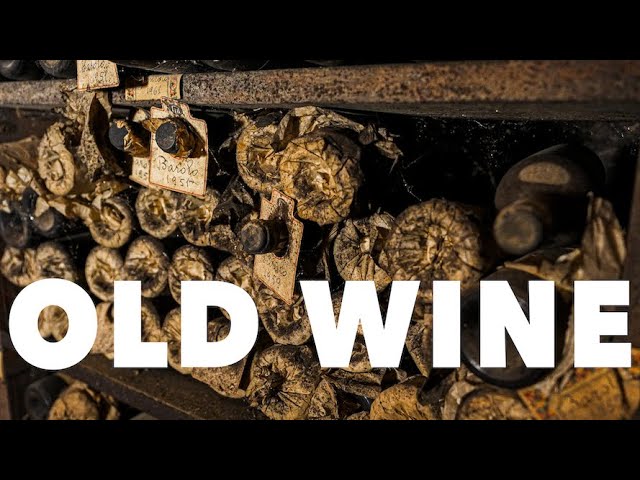
Aging wine is a complex process influenced by various chemical reactions that occur over time. At its core, the aging of wine involves the interaction of oxygen with phenolic compounds, acids, and sugars, which collectively contribute to the wines flavor, aroma, and overall character. As wine ages, it undergoes significant transformations, leading to a richer and more nuanced profile. Understanding these changes can enhance your appreciation of aged wines and guide you in selecting bottles for your collection.
Oxidation plays a crucial role in the aging process. When wine is exposed to oxygen, it begins to oxidize, which can soften harsh tannins and enhance the complexity of flavors. This gradual exposure to oxygen can lead to the development of desirable characteristics, such as nutty, toasty, or even earthy notes. However, too much oxygen can spoil the wine, resulting in undesirable flavors. Therefore, the balance of oxygen exposure is essential for successful aging.
Another important factor in wine aging is the role of phenolic compounds. These compounds, which include tannins and anthocyanins, are derived from grape skins, seeds, and stems. As wine ages, phenolic compounds polymerize, which can lead to a smoother mouthfeel and a decrease in astringency. This process can also affect the wines color, particularly in red wines, as they tend to evolve from vibrant purples to more muted brick hues over time. The transformation of these compounds is a key element in achieving the harmonious balance that many wine enthusiasts seek.
Finally, the environment in which wine is stored plays a significant role in the aging process. Factors such as temperature, humidity, and light exposure can dramatically affect how a wine matures. Ideally, wine should be stored in a cool, dark place with stable temperatures around 55°F (13°C) and humidity levels of around 70%. Proper storage conditions help preserve the wines integrity and promote the desired aging effects, allowing the wine to reach its full potential.
The Role of Tannins and Acidity in Wine Aging
Tannins and acidity are two critical components that significantly influence the aging potential of wine. Tannins, which are polyphenolic compounds found in grape skins, seeds, and stems, contribute to the structure and mouthfeel of the wine. They play a vital role in the aging process by providing the necessary backbone that allows a wine to evolve over time. As a wine ages, the tannins gradually soften and integrate, leading to a more harmonious and complex flavor profile. This transformation is essential for developing the desired characteristics in red wines, particularly those made from grape varieties known for their high tannin content, such as Cabernet Sauvignon and Nebbiolo.
Acidity, on the other hand, is crucial for maintaining the freshness and balance of a wine as it ages. It acts as a natural preservative, helping to prevent spoilage and oxidation, which can detract from a wines quality. The primary acids found in wine are tartaric, malic, and lactic acids, each contributing to the overall acidity profile. Wines with higher acidity tend to age more gracefully, as the acidity provides a counterbalance to the sweetness of fruit and the richness of tannins. This balance is particularly important in white wines and sparkling wines, where acidity enhances the wines vibrancy and keeps it lively over time.
When considering the interplay of tannins and acidity in wine aging, it is important to recognize how these elements work together to create a well-structured wine. The combination of firm tannins and bright acidity can lead to a more prolonged aging potential, allowing the wine to develop complex flavors and aromas over the years. For wine enthusiasts, understanding this relationship can enhance their appreciation of how different wines will evolve, enabling them to select bottles that will reach their peak at the right moment.
In summary, both tannins and acidity are indispensable in the aging process of wine. They not only affect the wines taste and texture but also its longevity. Wines that are well-balanced in tannins and acidity are more likely to age gracefully, offering a rewarding experience for those who choose to cellar them. Understanding these elements is essential for anyone looking to deepen their knowledge of wine and its aging potential.
How Environmental Factors Influence Wine Quality Over Time
The quality of wine is intricately linked to various environmental factors that can change significantly over time. These factors include climate, soil composition, topography, and vineyard management practices, all of which play crucial roles in determining the characteristics of the grapes and, consequently, the wine produced from them. Understanding how these elements interact is essential for vintners aiming to produce high-quality wines consistently.
Climate and Its Role
Climate is perhaps the most significant environmental factor affecting wine quality. Variations in temperature, rainfall, and sunlight exposure can influence grape ripening and the development of flavor compounds. For example:
- Temperature: Warmer climates typically yield riper grapes with higher sugar levels, which can lead to more robust wines. Conversely, cooler climates can produce wines with higher acidity and more delicate flavors.
- Rainfall: Adequate rainfall is necessary for healthy vine growth, but excessive moisture can lead to diseases such as rot, impacting grape quality.
- Sunlight: Sun exposure is critical for photosynthesis, and regions with optimal sunlight can produce grapes with enhanced flavor profiles.
Soil Composition and Terroir
The soil in which vines are planted is another vital factor that influences wine quality over time. Different soil types provide various nutrients and drainage capabilities, affecting vine health and grape characteristics. For instance, sandy soils promote good drainage and can lead to grapes with concentrated flavors, while clay soils retain moisture, supporting lush vine growth but potentially diluting flavor intensity. The concept of terroir encompasses these elements, highlighting how local environmental conditions contribute to the unique qualities of wines from specific regions.
Topography and Vineyard Management
Topography also plays a crucial role in wine production. Slopes, elevation, and orientation can affect sunlight exposure and air drainage, creating microclimates that impact grape development. For example, vineyards on south-facing slopes may receive more sunlight, leading to earlier ripening. Additionally, vineyard management practices, such as pruning and irrigation, can further influence the interaction between the vines and their environment, ultimately shaping the quality of the wine over time. Adapting these practices in response to changing environmental conditions is essential for maintaining high standards in wine production.
The Importance of Storage Conditions for Aging Wine
When it comes to aging wine, the storage conditions play a crucial role in determining its quality and longevity. Proper storage not only preserves the wines original flavors and aromas but also allows it to develop complex characteristics over time. A few key factors to consider include temperature, humidity, light exposure, and vibration.
Temperature Control
Maintaining a consistent temperature is vital for aging wine effectively. The ideal temperature range for most wines is between 50°F to 59°F (10°C to 15°C). Fluctuations in temperature can cause the wine to expand and contract, potentially damaging the cork and allowing air to seep in, which can lead to oxidation. A wine cellar or temperature-controlled wine fridge is often recommended to ensure optimal conditions.
Humidity Levels
Humidity also plays a significant role in wine storage. The ideal humidity level is around 70%. If the humidity is too low, the cork can dry out, leading to oxidation and spoilage. Conversely, excessively high humidity can encourage mold growth on the cork, which can compromise the wines quality. Investing in a hygrometer can help monitor and maintain the right humidity levels.
Light and Vibration Exposure
Light exposure, especially from direct sunlight, can degrade wine and alter its flavor profile. It’s best to store wine in a dark environment or use UV-filtered glass bottles. Additionally, vibrations from nearby appliances or foot traffic can disturb the sediment in the bottle, affecting the wines aging process. For this reason, its essential to keep wine in a stable, quiet location to promote optimal aging conditions.
Which Wines Age Best? A Guide to Selecting Age-Worthy Wines
When it comes to wine, the aging process can significantly enhance its flavors and aromas, but not all wines are created equal. Understanding which wines age best is crucial for both collectors and casual drinkers looking to invest in bottles that will improve over time. Generally, wines with higher acidity, tannin levels, and sugar content tend to age better. Here’s a closer look at the characteristics that make certain wines prime candidates for aging.
Key Factors for Aging Wine
To determine which wines will age gracefully, consider the following factors:
- Tannins: Wines with robust tannins, such as those found in Cabernet Sauvignon and Nebbiolo, have a natural structure that helps them evolve over time.
- Acidity: High acidity levels, often present in Riesling and Chardonnay, help preserve the wines freshness and balance as it ages.
- Alcohol Content: Wines with higher alcohol content can also age well, as they tend to have more body and complexity.
- Residual Sugar: Sweet wines like Sauternes and Port benefit from their sugar content, which acts as a preservative and allows for extended aging.
Types of Wines That Age Well
Certain varietals and styles are renowned for their aging potential. Here are some classic examples:
- Bordeaux: Both red and white Bordeaux wines are known for their longevity, especially those from top châteaux.
- Barolo and Barbaresco: These Nebbiolo-based wines from Italy are celebrated for their complex flavors and ability to develop over decades.
- Rhone Valley Wines: Wines like Châteauneuf-du-Pape and Côte-Rôtie can evolve beautifully, revealing intricate layers over time.
- Champagne: Vintage Champagne can age remarkably well, gaining depth and richness as it matures.
Choosing the right wine for aging involves not only understanding these characteristics but also considering the wines provenance and storage conditions. Proper cellaring—keeping wine in a cool, dark, and humid environment—can make all the difference in how well a wine ages. Whether you’re looking to build a collection or simply want to enjoy a special bottle down the road, knowing which wines age best is essential for a rewarding wine experience.
See all our content in the Sitemaps or in our Vip Cheers Webmaps!
You read complete Why Does Wine Get Better with Age? Discover the Secrets! See more about liqueurs here Wine.
Leave a Reply