
How Cold Does a Wine Fridge Get? Temperature Guide & Tips
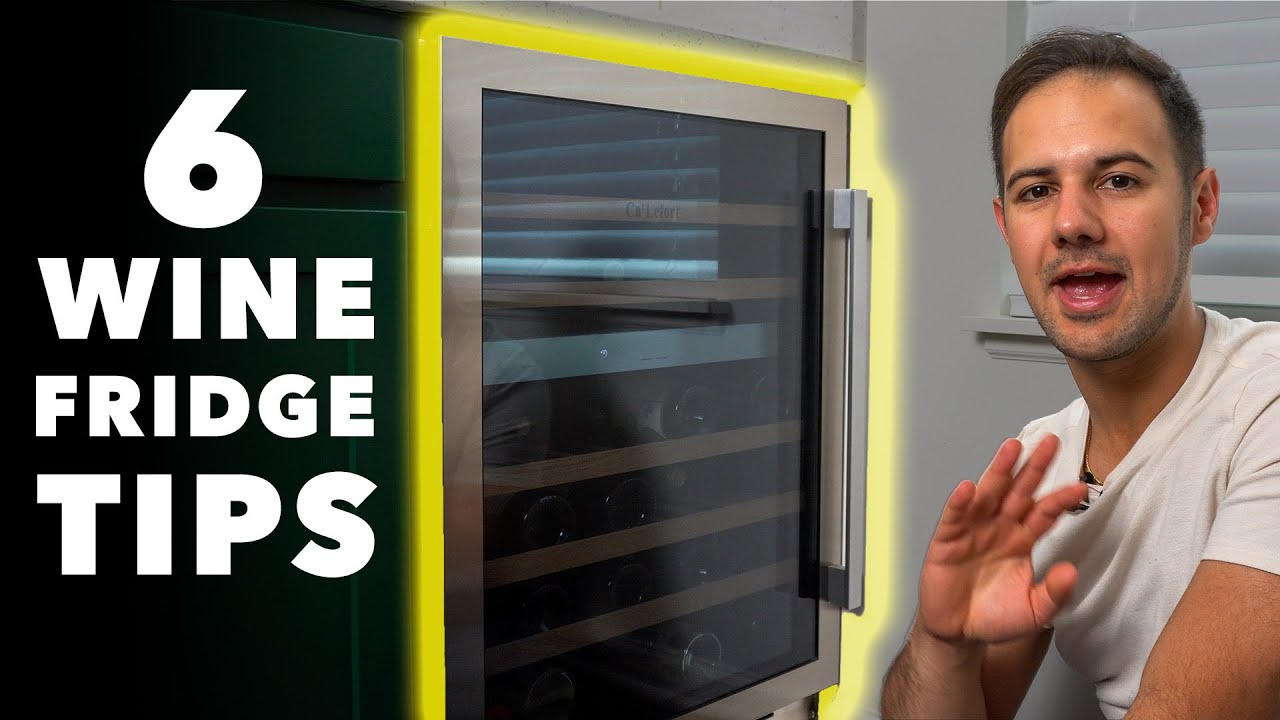
Understanding Wine Fridge Temperature Ranges
When it comes to storing wine, temperature plays a crucial role in preserving its flavor, aroma, and overall quality. A wine fridge is specifically designed to maintain optimal temperature ranges for different types of wine. Generally, wine is best stored between 45°F and 65°F (7°C to 18°C), but the ideal temperature can vary depending on the type of wine.
Red Wine Temperature Range
Red wines typically thrive at slightly warmer temperatures. The optimal storage range for red wines is between 55°F and 65°F (13°C to 18°C). Within this range, fuller-bodied reds, such as Cabernet Sauvignon and Syrah, may benefit from being stored closer to the upper limit, while lighter reds like Pinot Noir can be stored at the lower end. Keeping red wines within this temperature range allows for the development of complex flavors and aromas over time.
White and Sparkling Wine Temperature Range
In contrast, white and sparkling wines are best stored at cooler temperatures. The recommended range for these wines is 45°F to 55°F (7°C to 13°C). Lighter whites, such as Sauvignon Blanc and Pinot Grigio, are best served chilled, ideally around 45°F. Meanwhile, richer whites like Chardonnay can be stored at slightly warmer temperatures within the range. Sparkling wines, including Champagne, also benefit from being kept in this cooler range to maintain their effervescence and crispness.
Factors Influencing Temperature Preferences
Several factors can influence the ideal temperature for wine storage, including the wines varietal, age, and personal preference. For example, younger wines may require cooler temperatures to maintain freshness, while older wines can benefit from slightly warmer conditions to enhance their complex flavors. Additionally, fluctuations in temperature can negatively impact wine quality, making it essential to invest in a reliable wine fridge that maintains consistent temperatures. Regular monitoring and adjustments can ensure your collection is stored in the best possible conditions.
How Cold Does a Wine Fridge Get? Exploring Optimal Cooling Temperatures
When it comes to wine storage, understanding the temperature range of a wine fridge is crucial for preserving the quality and flavor of your favorite bottles. A wine fridge, also known as a wine cooler, is specifically designed to maintain optimal temperatures for different types of wine. Most wine fridges operate within a temperature range of 45°F to 65°F (7°C to 18°C), catering to both red and white wines.
Optimal Temperatures for Different Types of Wine
- Red Wine: Typically stored at temperatures between 55°F to 65°F (13°C to 18°C). This range allows the wine to develop its flavors and aromas without aging too quickly.
- White Wine: Best served chilled, white wines are ideally stored at 45°F to 55°F (7°C to 13°C). This cooler temperature helps maintain the crispness and acidity that white wines are known for.
- Sparkling Wine: Similar to white wines, sparkling wines are often stored at temperatures around 40°F to 50°F (4°C to 10°C) to enhance their effervescence and freshness.
Temperature Stability and Wine Quality
Maintaining a consistent temperature is essential in wine storage. Fluctuations can lead to premature aging or spoilage, affecting the wines overall quality. Wine fridges are designed with temperature stability in mind, often featuring advanced cooling systems that minimize temperature variations. Additionally, many models come equipped with dual-zone capabilities, allowing you to store different types of wine at their optimal temperatures simultaneously.
In summary, knowing how cold a wine fridge gets is vital for wine enthusiasts. By selecting the right temperature settings and ensuring stability, you can significantly enhance your wine experience and enjoy each bottle to its fullest potential.
Factors Affecting the Temperature of Your Wine Fridge
When it comes to maintaining the ideal environment for your wine, several factors can significantly affect the temperature inside your wine fridge. Understanding these factors is crucial for ensuring your wine is stored at the optimal temperature, preserving its flavor and quality.
1. Ambient Temperature
The temperature of the room where your wine fridge is located plays a vital role in the internal temperature of the unit. If the ambient temperature is too high, the fridge will have to work harder to maintain the desired temperature, which can lead to fluctuations. Ideally, your wine fridge should be placed in a cool, well-ventilated area, away from direct sunlight or heat sources such as radiators or ovens.
2. Fridge Size and Capacity
The size and capacity of your wine fridge can also influence temperature stability. A larger fridge may take longer to cool down, especially if it is packed tightly with bottles. Overloading the fridge can restrict air circulation, leading to uneven cooling. It’s important to choose a fridge that suits your collection size and allows for adequate airflow around the bottles.
3. Type of Wine Fridge
Different types of wine fridges operate using various cooling technologies, which can affect temperature consistency. For instance, thermoelectric wine fridges are generally quieter and have fewer moving parts, but they may struggle in high ambient temperatures. In contrast, compressor-based models can handle fluctuating room temperatures better, making them more suitable for warmer environments. Consider the type of wine fridge you have and how it might impact temperature control.
4. Door Seals and Insulation
The effectiveness of the door seals and the insulation of your wine fridge are critical in maintaining a stable temperature. If the seals are worn or damaged, cold air can escape, leading to temperature fluctuations. Additionally, poor insulation can result in external heat entering the fridge. Regularly check the seals for any signs of wear and ensure that the fridge is well-insulated to keep the internal temperature consistent.
By paying attention to these factors, you can ensure that your wine fridge maintains the perfect environment for your wine collection.
Comparing Wine Fridge Temperatures to Standard Refrigerators
When it comes to storing wine, the temperature at which it is kept plays a crucial role in preserving its flavor and quality. Wine fridges are specifically designed to maintain optimal temperatures for wine storage, typically ranging from 45°F to 65°F (7°C to 18°C). In contrast, standard refrigerators operate at much lower temperatures, generally between 32°F to 40°F (0°C to 4°C). This significant difference in temperature settings can greatly impact the aging process and overall taste of the wine.
Key Differences in Temperature Settings:
- Wine Fridge: Maintains a steady temperature conducive to aging and flavor preservation.
- Standard Refrigerator: Keeps food fresh, often too cold for wine, which can mute flavors and aromas.
Wine fridges also tend to offer more precise temperature controls, allowing enthusiasts to set the perfect conditions for specific wine types. For example, red wines typically benefit from warmer temperatures around 55°F (13°C), while white wines are best stored at cooler temperatures, closer to 45°F (7°C). This customization is not available in standard refrigerators, where the temperature is fixed for general food storage.
Additionally, the humidity levels in wine fridges are carefully regulated to prevent cork drying, which can lead to oxidation and spoilage. Standard refrigerators, however, often have lower humidity levels, making them unsuitable for long-term wine storage. Therefore, if youre serious about wine preservation, understanding these temperature differences is essential for maintaining the integrity of your collection.
Tips for Maintaining the Ideal Temperature in Your Wine Fridge
Maintaining the ideal temperature in your wine fridge is crucial for preserving the quality and flavor of your wines. Wine is sensitive to temperature fluctuations, which can affect its aging process and overall taste. To ensure your wine is stored under optimal conditions, consider the following tips.
1. Set the Right Temperature
The ideal temperature range for most wines is between 45°F and 65°F (7°C and 18°C), depending on the type of wine. Red wines typically benefit from slightly warmer temperatures, while white wines are best stored at cooler settings. Regularly check and adjust your wine fridges thermostat to maintain this range, ensuring your wines age gracefully.
2. Monitor Temperature Consistently
Investing in a reliable thermometer can help you keep an eye on the internal temperature of your wine fridge. Consider using a digital thermometer with an alarm feature to alert you of any temperature deviations. This proactive approach allows you to address issues before they impact your wine. Regularly checking the temperature can also help you identify any potential problems with the fridge itself.
3. Avoid Frequent Opening
Every time you open your wine fridge, warm air enters, causing the internal temperature to rise. To minimize temperature fluctuations, limit the frequency of opening the fridge. When you do need to access your wine, try to plan ahead and take out multiple bottles at once. Additionally, avoid placing the fridge in a location with extreme temperature changes, such as near heat sources or in direct sunlight, which can compromise its ability to maintain a stable environment.
4. Keep it Clean and Well-Ventilated
A clean wine fridge operates more efficiently, helping maintain a consistent temperature. Regularly clean the interior and exterior, removing dust and debris that could obstruct airflow. Ensure that the fridge has adequate ventilation, as blocked vents can lead to overheating. By keeping your wine fridge clean and properly ventilated, you can enhance its performance and protect your valuable wine collection.
See all our content in the Sitemaps or in our Vip Cheers Webmaps!
You read complete How Cold Does a Wine Fridge Get? Temperature Guide & Tips See more about liqueurs here Wine.
Leave a Reply