
White Wine Glass vs Red Wine Glass: Which is Best for You?
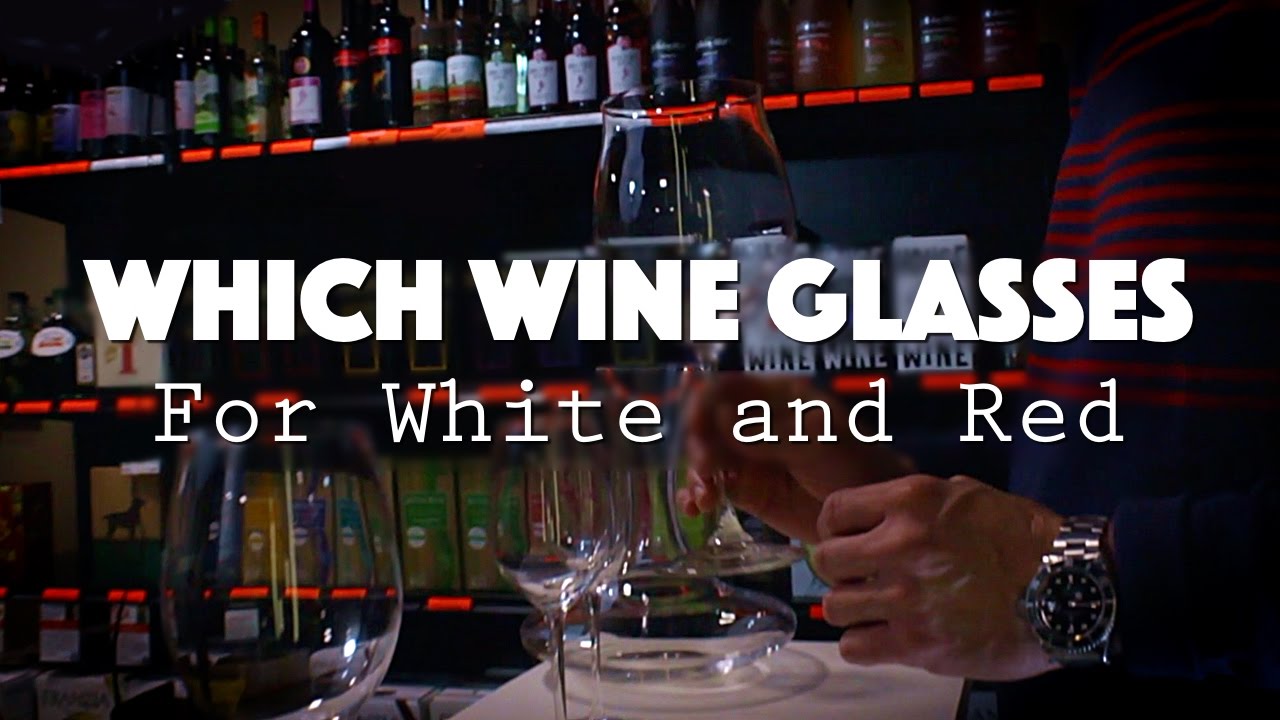
- Understanding the Differences Between White Wine Glasses and Red Wine Glasses
- Why Choosing the Right Glass Matters for Your Wine Experience
- Key Features of White Wine Glasses vs Red Wine Glasses
- How the Shape of Wine Glasses Affects Aroma and Flavor
- Tips for Selecting the Perfect Glass for Your Favorite Wine
Understanding the Differences Between White Wine Glasses and Red Wine Glasses
When it comes to enjoying wine, the type of glass you use can significantly enhance the tasting experience. White wine glasses and red wine glasses are designed with distinct characteristics that cater to the unique qualities of each type of wine. Understanding these differences can help you appreciate the nuances of your favorite varietals more fully.
Shape and Size
One of the most noticeable differences between white and red wine glasses is their shape and size. Red wine glasses typically have a larger, rounder bowl. This design allows for greater aeration, which is essential for releasing the complex aromas and flavors of red wines. In contrast, white wine glasses are generally narrower with a smaller bowl, which helps to maintain the wines cooler temperature and concentrate its aromas.
Temperature Considerations
The temperature at which wine is served plays a critical role in its flavor profile. Red wines are often enjoyed at slightly warmer temperatures, which is why their glasses are designed to allow for more air exposure. White wines, on the other hand, are best served chilled. The design of white wine glasses helps to retain the cooler temperature, ensuring that each sip remains refreshing.
Aroma Concentration
The glass shape also influences how aromas are captured and perceived. The wider bowl of a red wine glass allows the aromas to spread out, encouraging a more complex bouquet. In contrast, the tapered rim of a white wine glass focuses the aromas, directing them toward the nose. This subtle design difference enhances the overall sensory experience, allowing wine enthusiasts to savor every note in their glass.
By choosing the appropriate glass for your wine, you can elevate your tasting experience and fully appreciate the intricate flavors and aromas that each varietal has to offer.
Why Choosing the Right Glass Matters for Your Wine Experience
Choosing the right glass for your wine is essential to fully appreciating the complexities and nuances of your favorite varietals. The shape and size of a wine glass can significantly influence the aroma, taste, and overall experience of drinking wine. When you sip from a glass that is specifically designed for a particular type of wine, you allow the wine to breathe and release its bouquet, enhancing your sensory experience.
Different Types of Wine Glasses serve unique purposes, catering to the characteristics of various wines. For instance, red wine glasses are typically larger and have a wider bowl, which allows for better aeration and encourages the release of aromas. In contrast, white wine glasses tend to have a narrower bowl to maintain the wines cooler temperature and direct the aromas to the nose. Similarly, sparkling wine glasses, such as flutes, are designed to preserve carbonation and showcase the wines effervescence.
When selecting a glass, consider the material as well. Crystal glasses often provide a more refined drinking experience due to their clarity and ability to enhance light refraction. This quality can elevate the visual appeal of the wine, making it more enjoyable to observe as you savor each sip. Additionally, a well-designed glass can also improve the tactile experience, making it comfortable to hold and drink from.
Lastly, the size of the glass plays a crucial role in your wine experience. A larger glass allows for greater surface area exposure, promoting oxidation, which can enhance the flavors and aromas. Conversely, a smaller glass can concentrate the wines scents and flavors, making it ideal for certain types of wines. By choosing the right glass, you not only elevate your wine-drinking experience but also demonstrate an appreciation for the artistry behind winemaking.
Key Features of White Wine Glasses vs Red Wine Glasses
When it comes to enjoying wine, the type of glass you use can significantly impact your tasting experience. White wine glasses and red wine glasses are designed with specific features that enhance the unique characteristics of each wine type. Understanding these differences can help you choose the right glass for your next gathering or quiet evening at home.
Shape and Design
One of the most noticeable differences between white and red wine glasses is their shape. White wine glasses typically have a narrower bowl and a smaller opening. This design helps to preserve the wines crisp acidity and delicate aromas, allowing for a more focused tasting experience. In contrast, red wine glasses feature a larger bowl with a wider rim. This shape facilitates the aeration of the wine, enhancing its robust flavors and aromas, which are essential for full-bodied reds.
Size and Capacity
Another key feature is the size and capacity of the glasses. White wine glasses usually hold between 10 to 14 ounces, which is ideal for serving chilled white wines at their optimal temperature. Red wine glasses, on the other hand, can accommodate a larger volume, often ranging from 12 to 20 ounces. This increased capacity allows for a generous pour, giving the wine room to breathe and develop its complex flavors.
Stem Length
The stem length is also an important aspect to consider. White wine glasses often have a longer stem, which helps to keep the bowl cool by preventing heat from the hand from warming the wine. In contrast, red wine glasses may have a shorter stem or even be stemless, as the warmth of the hand can help to slightly elevate the temperature of the wine, bringing out its aromatic qualities.
By understanding these key features, you can make informed decisions about which wine glass to use, ensuring that each sip is enjoyed to its fullest potential.
How the Shape of Wine Glasses Affects Aroma and Flavor
The shape of a wine glass plays a crucial role in enhancing the overall tasting experience by influencing both the aroma and flavor of the wine. Each design element, from the bowl to the rim, is meticulously crafted to optimize the sensory perception of the wine. A glass with a wide bowl allows for greater air exposure, facilitating the release of volatile compounds that contribute to the wines bouquet. This exposure is particularly beneficial for full-bodied wines, as it amplifies their rich aromas.
Different shapes serve different purposes:
- Bordeaux Glass: Characterized by a tall, broad bowl, it is designed to accentuate the bold aromas of red wines, such as Cabernet Sauvignon and Merlot. The shape helps to concentrate the bouquet while allowing for optimal aeration.
- Burgundy Glass: With a wider bowl and a more tapered rim, this glass is ideal for delicate red wines. The design encourages swirling, which enhances the release of intricate aromas, making it perfect for Pinot Noir.
- White Wine Glass: Typically more slender, this glass shape is designed to preserve the crispness of white wines. Its narrower opening helps to direct the aromas towards the nose while maintaining the wines refreshing qualities.
The rim of the glass also plays a pivotal role in how wine is experienced. A thinner rim allows for a more delicate flow of wine onto the palate, enhancing the tasting experience. In contrast, a thicker rim may alter the perception of the wine’s texture and flavor. The angle at which the wine flows into the mouth can influence the initial taste, emphasizing different flavor notes based on the glass design.
Moreover, the material of the glass can further impact aroma and flavor. Crystal glasses, for example, often provide a more refined experience due to their ability to transmit light and highlight the wines color, while also enhancing the perception of aroma. Ultimately, the thoughtful design of wine glasses is not merely aesthetic; it is an integral part of the wine tasting ritual, shaping how we perceive and enjoy our favorite vintages.
Tips for Selecting the Perfect Glass for Your Favorite Wine
When it comes to enjoying your favorite wine, the glass you choose plays a crucial role in enhancing the overall experience. Different wines benefit from specific glass shapes and sizes that help to accentuate their unique aromas and flavors. Here are some tips to guide you in selecting the perfect glass for your wine of choice.
Consider the Type of Wine
Each type of wine—red, white, or sparkling—has a designated glass that can enhance its characteristics. For red wines, opt for a glass with a wide bowl that allows for aeration, which helps to soften the tannins and release the wines complex aromas. White wines, on the other hand, benefit from a narrower bowl to maintain their crispness and chill. For sparkling wines, choose a flute or a tulip-shaped glass to preserve the bubbles and concentrate the aromas.
Pay Attention to the Size
The size of the glass also matters. A larger glass provides ample space for swirling, which is essential for releasing the wine’s bouquet. A typical red wine glass should hold about 12-16 ounces, while white wine glasses are usually smaller, around 10-12 ounces. For sparkling wines, flutes typically hold about 6-8 ounces. Make sure to choose a glass that allows you to enjoy the wine without overwhelming it.
Material and Design Considerations
The material of the glass can affect both the taste and the temperature of your wine. Lead-free crystal glasses are a popular choice as they offer clarity and brilliance, enhancing the visual appeal of the wine. Additionally, consider the design of the glass; a thin rim can provide a more pleasant sipping experience, while a sturdy base ensures stability. Look for glasses that feel comfortable in your hand, as this will enhance your enjoyment.
By keeping these tips in mind, you can select the perfect glass for your favorite wine, ensuring that every sip is a delightful experience.
See all our content in the Sitemaps or in our Vip Cheers Webmaps!
You read complete White Wine Glass vs Red Wine Glass: Which is Best for You? See more about liqueurs here Wine.
Leave a Reply