
How to Make Vinegar from Wine: Easy Step-by-Step Guide
What You Need to Make Vinegar from Wine
Making vinegar from wine is a straightforward process that requires a few essential ingredients and tools. The primary ingredient is, of course, the wine itself. You can use any type of wine—red, white, or even sparkling—as long as it is of good quality. The flavor of your final vinegar will largely depend on the type of wine you choose, so select a wine that you enjoy drinking.
In addition to wine, you will need a source of acetic acid bacteria, which is crucial for the fermentation process. This can be obtained from a vinegar mother, a gelatinous mass of bacteria that forms naturally in vinegar. If you don’t have a vinegar mother, you can also use unpasteurized vinegar that contains live cultures. This will kickstart the fermentation process and help convert the alcohol in the wine into acetic acid.
You will also need the right equipment to facilitate the fermentation. Here’s a list of what you’ll need:
- A glass or ceramic container: A wide-mouth jar or a fermentation crock works best.
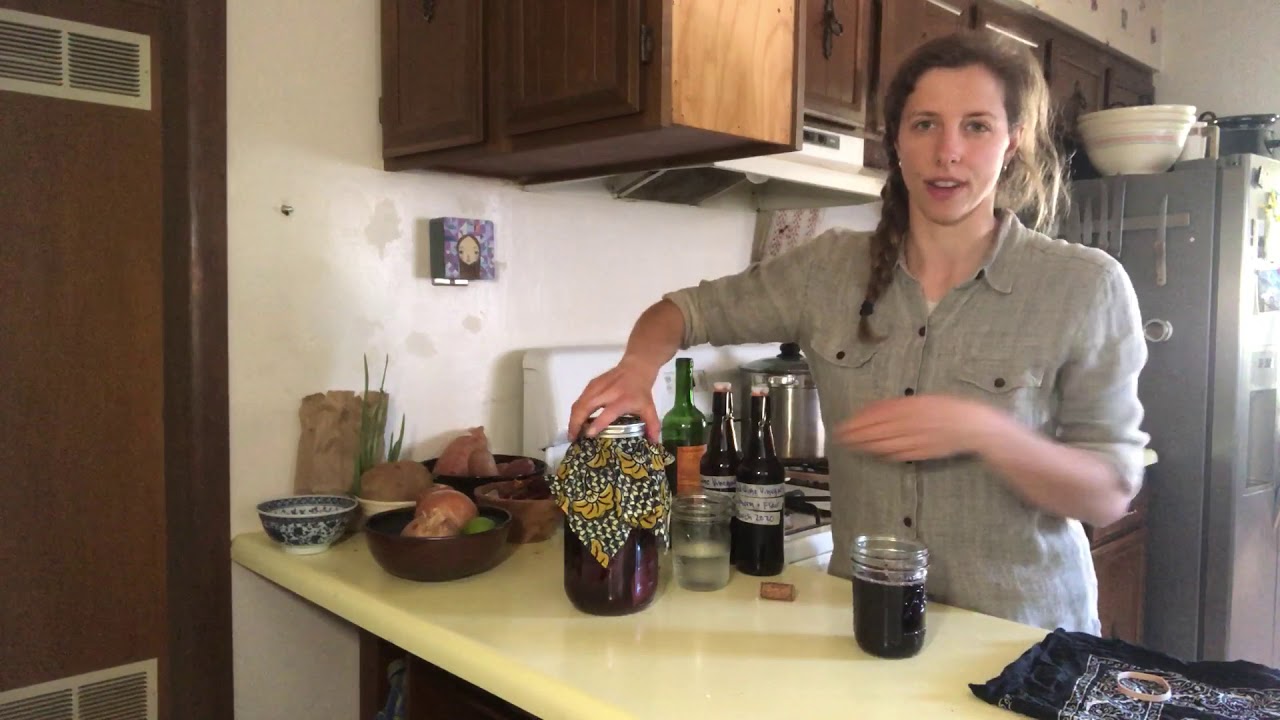
- A breathable cover: Use a cheesecloth or coffee filter secured with a rubber band to keep out dust and insects while allowing air to flow.
- A dark, warm place: The fermentation process requires a stable temperature, ideally between 60-80°F (15-27°C).
Lastly, patience is key. The fermentation process can take anywhere from a few weeks to several months, depending on various factors such as temperature and the strength of the vinegar mother. During this time, you will need to monitor the vinegar and taste it periodically to achieve your desired flavor profile. With these essential components and a bit of time, you can create your own homemade vinegar from wine.
Step-by-Step Guide: How to Make Vinegar from Wine
Making vinegar from wine is a straightforward process that transforms leftover wine into a tangy, flavorful condiment. Follow this step-by-step guide to create your own homemade vinegar. Youll need some basic ingredients and equipment, but the process is rewarding and economical.
Ingredients and Equipment
To get started, gather the following items:
- Wine: Any type of wine will work, but red or white wines with high acidity are ideal.
- Vinegar mother: This gelatinous mass of acetic acid bacteria can be purchased or obtained from unpasteurized vinegar.
- Glass jar or container: A large, wide-mouthed glass jar is perfect for fermentation.
- Cheesecloth or coffee filter: To cover the jar and allow air circulation while keeping contaminants out.
Step-by-Step Process
1. Prepare the Wine: Pour your chosen wine into the glass jar, leaving some space at the top for air circulation. The quality of the wine will influence the flavor of the vinegar, so choose a wine you enjoy.
2. Add the Vinegar Mother: Introduce the vinegar mother to the jar. If you don’t have a vinegar mother, you can use a cup of unpasteurized vinegar instead. This will help kickstart the fermentation process.
3. Cover the Jar: Use cheesecloth or a coffee filter to cover the opening of the jar. This allows air to enter while keeping dust and insects out. Secure it with a rubber band or string.
4. Fermentation: Place the jar in a warm, dark place with a temperature between 60°F and 80°F (15°C to 27°C). Allow it to ferment for about 3 to 4 weeks. Taste the vinegar periodically; the longer it ferments, the stronger the flavor will become.
5. Strain and Store: Once the vinegar has reached your desired taste, strain out the vinegar mother and any sediment. Transfer the finished vinegar into clean bottles and seal them tightly. Your homemade vinegar is now ready to use!
Common Mistakes to Avoid When Making Vinegar from Wine
When embarking on the journey of making vinegar from wine, its essential to be aware of common pitfalls that can hinder your success. One of the most frequent mistakes is using wine that is of poor quality. Remember, the quality of the starting material directly affects the final product. Always choose a wine that you enjoy drinking, as this will ensure a more flavorful vinegar.
Another common error is neglecting the importance of proper fermentation conditions. Vinegar fermentation requires a specific temperature range, typically between 60°F and 80°F (15°C to 27°C). Failing to maintain this temperature can result in slow fermentation or undesirable flavors. Additionally, avoid exposing the fermentation vessel to direct sunlight, as UV light can negatively impact the fermentation process.
Inadequate aeration is another mistake that can lead to poor vinegar quality. Vinegar fermentation relies on oxygen, so its crucial to use a vessel that allows for adequate air circulation. Consider using a wide-mouth jar or a fermentation crock with a breathable cover. This will promote the growth of acetic acid bacteria, which are essential for transforming wine into vinegar.
Lastly, be patient and avoid rushing the process. Many beginners make the mistake of bottling their vinegar too early, which can result in an unfinished product. Allow the vinegar to ferment for at least a few weeks, and taste it periodically to monitor its progress. This patience will ultimately lead to a more complex and flavorful vinegar that you can be proud of.
How Long Does It Take to Make Vinegar from Wine?
Making vinegar from wine is a fascinating process that can take anywhere from a few weeks to several months, depending on various factors such as the method used, the type of wine, and the desired flavor profile. Typically, the fermentation process begins once the wine is exposed to oxygen, allowing acetic acid bacteria to convert the alcohol into acetic acid, which is the main component of vinegar.
Fermentation Stages:
1. Primary Fermentation: This initial stage can last from 2 to 3 weeks. During this time, the wine is exposed to air, allowing the bacteria to thrive and start the conversion process.
2. Secondary Fermentation: After the primary fermentation, the mixture may need an additional 2 to 6 weeks to fully develop the desired acidity and flavor. This stage can vary based on temperature, wine type, and the concentration of the acetic acid bacteria.
The overall time to produce vinegar from wine can also be influenced by the conditions under which the fermentation occurs. Warmer temperatures tend to accelerate the process, while cooler environments may slow it down. Additionally, using a high-quality wine can result in a more complex and flavorful vinegar, but it may also require a longer fermentation period to reach the optimal taste.
Once the vinegar reaches the desired acidity and flavor, it can be filtered and bottled. This final step might take an additional week or two if you choose to let the vinegar mature further. Therefore, the total time from wine to vinegar can range from 4 weeks to several months, depending on your specific approach and preferences.
Creative Uses for Homemade Vinegar from Wine
Homemade vinegar from wine is not just a culinary staple; it’s a versatile ingredient that can be used in numerous creative ways. Whether you’re looking to enhance your cooking, boost your cleaning routine, or even explore beauty hacks, homemade wine vinegar can serve a variety of purposes that go beyond the kitchen.
1. Culinary Delights
Using homemade wine vinegar in your cooking can elevate your dishes to new heights. Here are some creative culinary applications:
- Salad Dressings: Whisk together homemade wine vinegar with olive oil, mustard, and herbs for a delicious vinaigrette.
- Marinades: Combine wine vinegar with garlic, spices, and your choice of protein for a flavorful marinade.
- Pickling: Use wine vinegar as a base for pickling vegetables, infusing them with a rich flavor.
- Soups and Sauces: A splash of wine vinegar can brighten the flavors of soups and sauces, adding depth and acidity.
2. Natural Cleaning Agent
Homemade wine vinegar is also an excellent eco-friendly cleaning solution. Its acidity helps to break down grime and disinfect surfaces. Consider these uses:
- All-Purpose Cleaner: Mix equal parts of wine vinegar and water in a spray bottle for a natural cleaner that works on countertops, windows, and more.
- Deodorizer: Place a bowl of wine vinegar in your fridge or around the house to neutralize odors.
- Glass Cleaner: Use wine vinegar diluted with water to achieve streak-free shine on glass surfaces.
3. Beauty and Wellness
In addition to its culinary and cleaning uses, homemade wine vinegar can also be a beneficial addition to your beauty routine:
- Hair Rinse: Dilute wine vinegar with water and use it as a hair rinse to enhance shine and remove buildup.
- Skin Toner: Mix wine vinegar with water and apply it to your skin as a natural toner, helping to balance pH levels.
- Foot Soak: Soak your feet in a mixture of wine vinegar and warm water to help soften skin and reduce odor.
Embracing these creative uses for homemade vinegar from wine not only maximizes its potential but also encourages sustainable practices by reducing waste and utilizing what you have on hand.
See all our content in the Sitemaps or in our Vip Cheers Webmaps!
You read complete How to Make Vinegar from Wine: Easy Step-by-Step Guide See more about liqueurs here Wine.
Leave a Reply