
How Much Sugar is in Cognac? A Comprehensive Guide
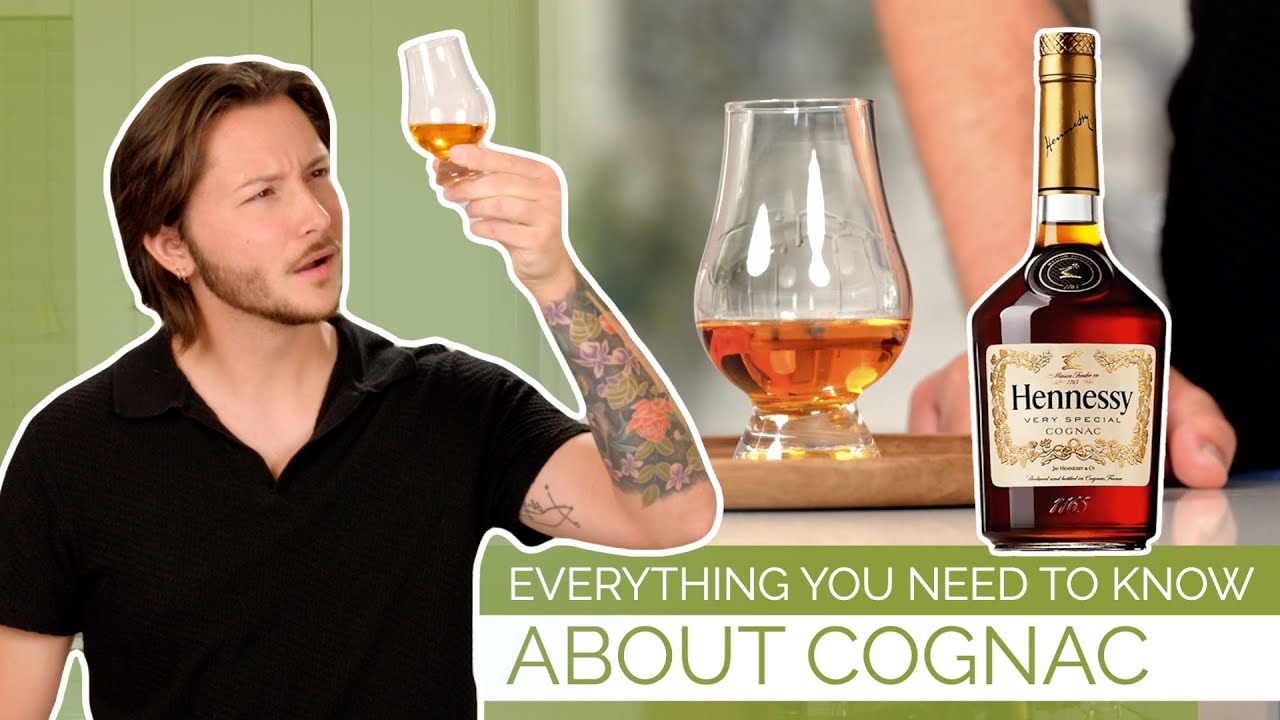
Understanding Cognac: What Is It and How Is It Made?
Cognac is a type of brandy that originates from the Cognac region in southwestern France. It is renowned for its distinct flavors and rich history, making it a popular choice among spirit enthusiasts. To be classified as Cognac, the spirit must adhere to strict regulations, including being produced from specific grape varieties, primarily Ugni Blanc, and distilled using traditional methods. The aging process is also crucial, as Cognac must be matured in oak barrels for a minimum of two years, which allows it to develop its complex flavors and aromas.
The production of Cognac begins with the harvesting of grapes, which are typically picked in late September to early October. After harvesting, the grapes undergo fermentation, a process where the natural sugars in the grapes are converted into alcohol. This fermentation usually lasts about 5 to 7 days, resulting in a low-alcohol wine. Following fermentation, the wine is distilled twice in pot stills, a method known as "double distillation." This process helps to concentrate the flavors and alcohol content, producing a clear spirit known as "eau-de-vie."
Once distilled, the eau-de-vie is transferred to oak barrels for aging. The choice of oak and the length of aging significantly influence the final flavor profile of the Cognac. During this maturation process, the spirit interacts with the wood, extracting tannins and other compounds that contribute to its color and taste. Cognac producers often blend different aged eaux-de-vie to achieve a consistent flavor profile, which is a hallmark of high-quality Cognac.
After the aging process, the Cognac is typically filtered and diluted with water to reach the desired alcohol content, usually around 40%. The final product is then bottled, ready to be enjoyed. Cognacs unique production methods and strict regulations ensure that each bottle reflects the craftsmanship and tradition of the region, making it a truly exceptional spirit.
How Much Sugar Is in Cognac? A Detailed Breakdown
When exploring the world of cognac, one key aspect that often piques the interest of connoisseurs and casual drinkers alike is its sugar content. Cognac, a type of brandy produced in the Cognac region of France, is known for its complex flavors and smooth finish, but how much sugar is actually present in this spirit? The sugar content in cognac can vary significantly depending on the specific type and production methods.
Typically, cognac itself contains very little sugar in its unaltered form. The base spirit, made from fermented grapes, has an initial sugar content of around 0-1 gram per liter. However, the final product may have added sugars in the form of sweetening agents during the aging and blending processes. According to regulations, cognac can have up to 20 grams of sugar per liter in its final bottling, particularly in the case of sweeter varieties.
To provide a clearer picture, here’s a breakdown of the sugar content based on different styles of cognac:
- VS (Very Special): Typically contains around 0-1 gram of sugar per liter.
- VSOP (Very Superior Old Pale): May have slightly higher sugar levels, often ranging from 1-10 grams per liter.
- XO (Extra Old): Generally has a richer flavor profile, which can include 10-20 grams of sugar per liter.
In addition to these classifications, its essential to note that certain brands may choose to add sugar for taste enhancement, which can influence the overall experience. The sweetness can also be affected by the aging process, as older cognacs often exhibit a more rounded and sweeter flavor profile due to the interaction with wood. Thus, while the sugar content in cognac may not be high compared to other spirits, the balance of flavors created by the presence of sugar plays a crucial role in the overall tasting experience.
The Role of Sugar in Cognac Production: Sweetness vs. Quality
The production of Cognac, a prestigious type of brandy from the Cognac region of France, is a meticulous process that involves various factors, including the role of sugar. Sugar in Cognac production primarily comes from the grapes used in fermentation, which are rich in natural sugars. However, the addition of sugar during the aging process or before bottling raises important questions about the balance between sweetness and quality.
Natural Sugar Content
The primary grapes used in Cognac, such as Ugni Blanc, Folle Blanche, and Colombard, contain inherent sugars that ferment into alcohol during the distillation process. This natural sugar content is crucial as it not only influences the alcohol level but also contributes to the overall flavor profile. The fermentation process transforms these sugars into various compounds that enhance the complexity and character of the final product. The natural sweetness from the grapes often plays a significant role in determining the initial taste and aroma of the Cognac.
Dosage and Its Impact
In some cases, producers may opt to add a sugar solution known as "dosage" to their Cognac before bottling. This practice can be controversial, as it can alter the final flavor and sweetness levels. While a controlled dosage can enhance the smoothness and palatability of the spirit, it can also mask the authentic qualities that define high-quality Cognac. Thus, the challenge for producers is to find the right balance where the addition of sugar enhances rather than detracts from the overall quality and character of the Cognac.
Quality Indicators
Ultimately, the impact of sugar on Cognac production is a matter of quality over quantity. Consumers often seek out premium Cognacs that showcase the true essence of the grapes and the terroir from which they originate. A few key indicators can help assess the quality of a Cognac:
- Complexity: High-quality Cognac should have a rich, layered flavor profile that evolves on the palate.
- Balance: The sweetness should harmonize with the acidity and tannins, creating a well-rounded experience.
- Finish: A long, pleasant finish is often a sign of quality, indicating that the Cognac has depth and character.
In summary, while sugar plays a crucial role in the production of Cognac, it is essential to understand how it affects the overall quality and perception of the spirit. The challenge for producers lies in using sugar judiciously to enhance the natural attributes of the Cognac without compromising its integrity.
Comparing Sugar Content: Cognac vs. Other Spirits
When evaluating the sugar content in various alcoholic beverages, its essential to recognize the unique characteristics of each spirit. Cognac, a type of brandy produced in the Cognac region of France, is known for its rich flavor profile and complex aging process. The sugar content in Cognac primarily derives from the grapes used in its production, as well as any residual sugars left after fermentation. Typically, Cognac has a sugar content ranging from 0 to 5 grams per liter, depending on the brand and style.
In comparison, other spirits such as whiskey, rum, and vodka exhibit significantly different sugar levels. For instance, whiskey, which is distilled from grains, generally contains less than 1 gram of sugar per liter. This low sugar content is due to the distillation process, which removes most of the sugars present in the grains. On the other hand, rum, particularly flavored varieties, can have a higher sugar content, often exceeding 10 grams per liter due to added sugars and flavorings. Vodka, a neutral spirit, is typically sugar-free, making it a popular choice for those monitoring their sugar intake.
To provide a clearer perspective, here’s a quick comparison of sugar content in popular spirits:
- Cognac: 0-5 grams per liter
- Whiskey: <1 gram per liter
- Rum: 10+ grams per liter (varies with flavorings)
- Vodka: 0 grams per liter
Understanding the sugar content in Cognac compared to other spirits can help consumers make informed choices, particularly those who are mindful of their dietary sugar intake. The aging process and the use of specific grape varietals in Cognac production contribute to its nuanced flavors while maintaining a relatively low sugar level compared to sweeter spirits like rum. This makes Cognac an appealing option for those seeking a complex, flavorful experience without excessive sugar.
Health Considerations: What You Need to Know About Sugar in Cognac
Cognac, a type of brandy produced in the Cognac region of France, is often celebrated for its rich flavors and complex aromas. However, when it comes to health considerations, the sugar content in cognac can be an important factor to consider. While cognac is not typically high in sugar compared to many other alcoholic beverages, understanding its composition can help you make informed choices.
Sugar Content in Cognac
Cognac generally contains residual sugars that are a byproduct of the fermentation process. The amount of sugar can vary depending on the style of cognac and the producer. Typically, cognac can have anywhere from 0 to 2 grams of sugar per serving. This level is relatively low compared to liqueurs or sweet wines, making cognac a more suitable option for those monitoring their sugar intake.
Impact on Health
While cognac contains less sugar, it’s essential to consider how alcohol itself affects the body. Consuming alcohol in moderation is key, as excessive intake can lead to various health issues, including weight gain, liver disease, and increased risk of certain cancers. The presence of sugar can also contribute to these effects, especially for individuals with conditions like diabetes or those looking to manage their blood sugar levels.
Choosing Wisely
When selecting cognac, its beneficial to read labels and research brands that prioritize quality ingredients. Some cognacs may be artificially sweetened or contain added sugars, which can significantly alter their health implications. Opting for brands that adhere to traditional production methods can ensure a more authentic product with a lower sugar content. Enjoying cognac responsibly and in moderation can help mitigate potential health risks while allowing you to savor its unique qualities.
See all our content in the Sitemaps or in our Vip Cheers Webmaps!
You read complete How Much Sugar is in Cognac? A Comprehensive Guide See more about liqueurs here Other Liquors.
Leave a Reply