
What Is the Difference Between Whisky and Scotch? Explained!
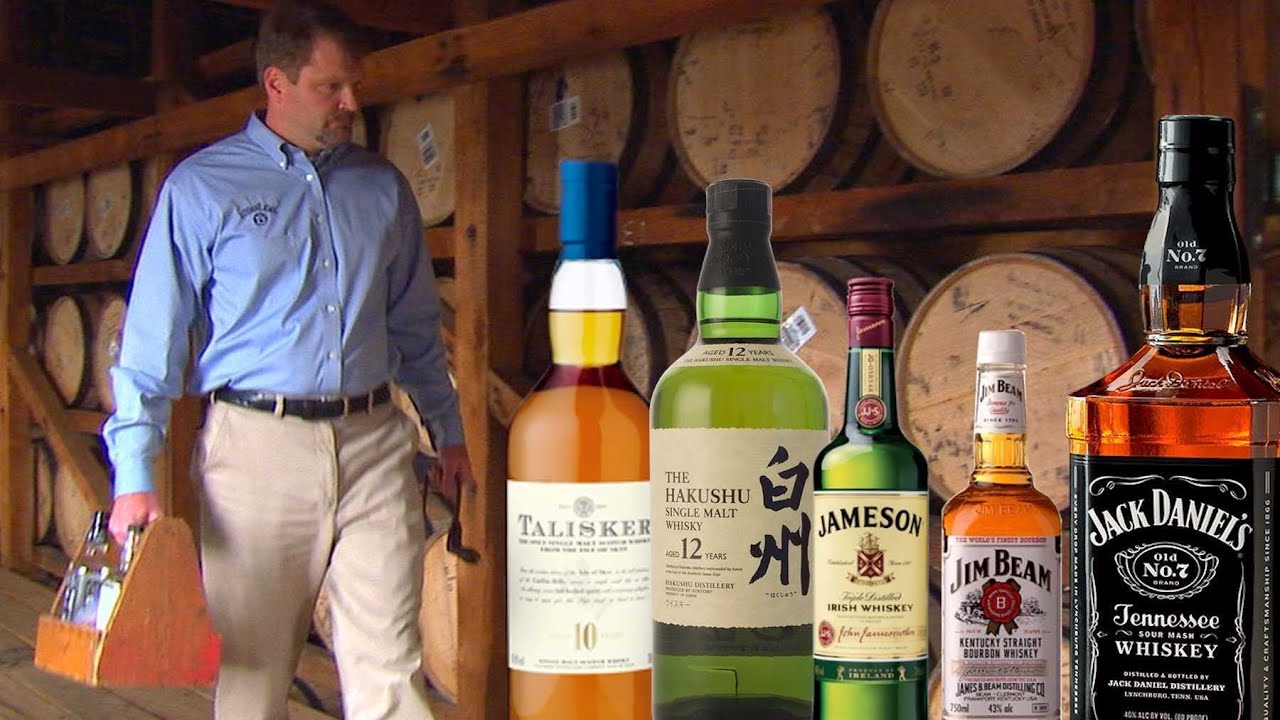
Is scotch and whisky the same thing?
When exploring the world of distilled spirits, its essential to understand the distinctions between scotch and whisky. While both terms refer to alcoholic beverages made from fermented grain mash, they are not interchangeable. In fact, scotch is a specific type of whisky that adheres to strict regulations and geographical origins.
Key Differences:
- Geographical Origin: Scotch must be produced in Scotland, while whisky can be made in various countries, including Ireland, the United States, and Canada.
- Spelling: The term "whisky" typically refers to spirits made in Scotland and Canada, whereas "whiskey" (with an e) is used for Irish and American varieties.
- Ingredients: Scotch is predominantly made from malted barley, while whisky can include other grains such as corn, rye, and wheat.
To qualify as scotch, the spirit must also be aged in oak barrels for a minimum of three years. This aging process imparts unique flavors and characteristics that differentiate scotch from other types of whisky. Additionally, scotch is classified into two main categories: single malt and blended. Single malt scotch is made from 100% malted barley at a single distillery, while blended scotch combines malt and grain whiskies from different distilleries.
In summary, while all scotch is whisky, not all whisky is scotch. Understanding these differences is crucial for any enthusiast looking to appreciate the nuances of these beloved spirits.
Is Jack Daniel's a scotch?
Is Jack Daniels a scotch?
Jack Daniels is not a scotch; it is a Tennessee whiskey. The distinction between scotch and other types of whiskey, including Jack Daniels, lies primarily in the ingredients used, the production process, and the geographical origin. Scotch is made exclusively in Scotland and is typically produced from malted barley, while Jack Daniels is produced in Lynchburg, Tennessee, using a mash bill that includes corn, rye, and malted barley.
Key differences between Jack Daniels and scotch:
- Geographical Origin: Scotch must be made in Scotland, whereas Jack Daniels is crafted in the United States.
- Ingredients: Scotch primarily uses malted barley, while Jack Daniels uses a blend of corn, rye, and malted barley.
- Production Process: Scotch undergoes a specific distillation and aging process in oak barrels, while Jack Daniels employs a charcoal mellowing technique known as the Lincoln County Process.
In addition to these differences, the flavor profiles of Jack Daniels and scotch vary significantly. Scotch often has a smoky, peaty flavor, influenced by the malting process and the type of barrels used for aging. On the other hand, Jack Daniels tends to have a smoother, sweeter profile, characterized by notes of vanilla, caramel, and oak. This difference in taste is largely due to the ingredients and the unique production methods employed by Jack Daniels.
Ultimately, while both Jack Daniels and scotch fall under the broader category of whiskey, they are distinct beverages with their own identities and characteristics. Understanding these differences can enhance your appreciation for each type of whiskey and guide your choices when selecting a drink.
Is Johnnie Walker whiskey or scotch?
Johnnie Walker is a renowned brand that often raises the question: is it whiskey or scotch? The answer is that Johnnie Walker is a type of scotch whisky. In Scotland, the term "whisky" is used to refer to distilled spirits made from fermented grain mash, while "whiskey" (with an "e") typically refers to similar spirits produced in Ireland and the United States. Therefore, when discussing Johnnie Walker, its essential to use the correct terminology and refer to it as scotch whisky.
Scotch whisky is defined by strict regulations, including being produced in Scotland and aged for a minimum of three years in oak barrels. Johnnie Walker adheres to these guidelines, ensuring that its products meet the high standards associated with scotch. The brand offers a range of blends, including the iconic Johnnie Walker Red Label and the premium Johnnie Walker Blue Label, each showcasing distinct flavor profiles and characteristics that appeal to a wide audience.
There are two main categories of scotch whisky: single malt and blended. Johnnie Walker is primarily known for its blended scotch whisky, which combines malt whiskies from various distilleries to create a harmonious flavor profile. This blending process allows Johnnie Walker to achieve consistency and complexity, making it a favorite among whisky enthusiasts worldwide.
In summary, Johnnie Walker is firmly categorized as scotch whisky, a distinction that highlights its Scottish heritage and adherence to traditional production methods. When choosing Johnnie Walker, you are selecting a product that embodies the craftsmanship and rich history of scotch whisky, making it a staple in bars and homes across the globe.
Which is sweeter, scotch or whiskey?
When comparing the sweetness of scotch and whiskey, its essential to understand that the term "whiskey" encompasses a broad category of spirits, including bourbon, rye, and Irish whiskey, among others. Each type of whiskey has its unique flavor profile influenced by its ingredients, distillation process, and aging conditions. In contrast, scotch is a specific type of whiskey that originates from Scotland and is made primarily from malted barley. This distinction is crucial when evaluating sweetness.
Scotch typically exhibits a range of flavors, from smoky and peaty to fruity and floral, depending on its region of production. While some scotch whiskies can have sweet notes, especially those aged in sherry casks, they often lean towards a drier profile. In contrast, bourbons, which are a subset of whiskey, tend to be sweeter due to their higher corn content (at least 51% corn) and the caramelization of sugars during the distillation process.
Factors influencing sweetness in whiskey and scotch include:
- Ingredients: The grain used can significantly affect sweetness, with corn-based bourbons generally being sweeter than barley-based scotch.
- Aging: The type of barrels used for aging can impart sweet flavors. For example, new charred oak barrels used for bourbon contribute caramel and vanilla notes.
- Region: Different regions produce whiskies with varying flavor profiles. For instance, some Irish whiskeys are known for their smooth sweetness, contrasting with the often more robust flavors of scotch.
In general, if youre looking for a sweeter option, bourbon is often the go-to choice among the whiskey family. However, some scotch expressions, particularly those matured in sweet wine casks, can surprise you with their sweetness. Ultimately, the perception of sweetness is subjective and can vary widely based on individual taste preferences.
See all our content in the Sitemaps or in our Vip Cheers Webmaps!
You read complete What Is the Difference Between Whisky and Scotch? Explained! See more about liqueurs here Other Liquors.
Leave a Reply