
Best Dry White Wine for Cooking: Top Picks & Tips
- Why Choosing the Best Dry White Wine for Cooking Matters
- Top 5 Best Dry White Wines for Cooking: Our Expert Recommendations
- How to Select the Perfect Dry White Wine for Your Recipes
- Common Cooking Mistakes: Using the Wrong Wine and How to Avoid Them
- Enhance Your Dishes: Pairing Tips for Cooking with Dry White Wine
Why Choosing the Best Dry White Wine for Cooking Matters
Choosing the best dry white wine for cooking is crucial for enhancing the flavors of your dishes. The right wine can elevate a meal, providing depth and complexity that can transform a simple recipe into a gourmet experience. When you opt for high-quality dry white wine, you ensure that the flavors imparted during cooking are not only balanced but also complement the other ingredients in your dish.
Flavor Profile: Dry white wines, such as Sauvignon Blanc or Pinot Grigio, offer crisp acidity and fruity notes that can brighten up sauces, marinades, and risottos. The acidity helps to cut through richness, making your dish more enjoyable. On the other hand, using a low-quality or sweet wine can result in overpowering flavors that may clash with the other components of your recipe, ultimately leading to a less than satisfactory meal.
Cooking Techniques: Different cooking methods require different types of wines. For instance, when sautéing or deglazing, a dry white wine can add a wonderful layer of flavor, enhancing the taste of the proteins and vegetables involved. The wines acidity helps to tenderize meats and release the natural flavors of the ingredients. Choosing the right wine ensures that these cooking techniques achieve their intended effect, resulting in a more harmonious dish.
Health and Quality: Beyond flavor, the quality of the wine you choose can impact your overall health. Cooking with a good dry white wine means youre less likely to introduce unwanted additives and sugars found in lower-quality wines. This not only results in a healthier meal but also contributes to a more authentic taste. When you select a premium dry white wine, you’re not just cooking; you’re creating a culinary masterpiece that reflects care and attention to detail.
Top 5 Best Dry White Wines for Cooking: Our Expert Recommendations
When it comes to enhancing the flavors of your culinary creations, the choice of dry white wine can make a significant difference. Cooking with wine not only adds depth and complexity to your dishes but also elevates the overall dining experience. Here are our expert recommendations for the top five dry white wines that are perfect for cooking.
1. Sauvignon Blanc
Sauvignon Blanc is a versatile wine that brings bright acidity and fresh fruit flavors to your cooking. Its zesty profile makes it an ideal choice for deglazing pans and adding to sauces. The herbal notes in Sauvignon Blanc also complement seafood dishes beautifully, making it a staple in any kitchen.
2. Pinot Grigio
Another excellent option is Pinot Grigio, known for its light body and crisp finish. This wine works wonderfully in light pasta dishes, risottos, and marinades. Its subtle fruit flavors can enhance dishes without overpowering them, making it a go-to for chefs looking for a delicate touch.
3. Chardonnay
Chardonnay, particularly the unoaked varieties, offers a balance of acidity and richness. This makes it a fantastic choice for creamy sauces, chicken dishes, and even seafood. Its fuller body allows it to stand up to heartier ingredients, making it a versatile addition to your cooking repertoire.
4. Dry Vermouth
Dry vermouth is often overlooked, but it deserves a spot in your cooking arsenal. With its herbal and slightly sweet characteristics, dry vermouth adds complexity to sauces and soups. Its particularly effective in dishes that feature mushrooms or poultry, providing a unique flavor profile that enhances the overall dish.
5. Grüner Veltliner
Grüner Veltliner is a lesser-known but exceptional cooking wine. Its bright acidity and peppery notes make it a fantastic choice for Asian-inspired dishes, particularly stir-fries and sauces. The wines unique flavor can elevate simple recipes, bringing a touch of sophistication to your meals.
By selecting the right dry white wine, you can transform your cooking and bring out the best flavors in your dishes. These five recommendations are sure to inspire your culinary adventures and enhance your kitchen creations.
How to Select the Perfect Dry White Wine for Your Recipes
When it comes to enhancing the flavors of your culinary creations, selecting the right dry white wine can make all the difference. The key is to choose a wine that complements the ingredients in your dish without overpowering them. Here are some essential tips to guide you in making the perfect selection.
Consider the Dish Type
Different types of dishes pair well with specific styles of dry white wine. Here’s a quick guide to help you choose:
- Seafood: Look for crisp and refreshing wines like Sauvignon Blanc or Pinot Grigio.
- Poultry: Chardonnay, especially unoaked, works beautifully with chicken and turkey.
- Pasta with Cream Sauce: Opt for a full-bodied white like Viognier or a rich Chardonnay.
- Vegetable Dishes: A light, aromatic wine such as Grüner Veltliner pairs well with fresh vegetables.
Taste Profile and Acidity
The taste profile and acidity level of the wine should also align with your recipe. A wine with high acidity can brighten dishes and cut through rich flavors, making it ideal for creamy sauces or fatty meats. Conversely, if your recipe features lighter ingredients, a smoother wine may be more appropriate. Consider the following flavor notes:
- Citrus: Wines with citrus notes can enhance dishes with lemon or lime.
- Floral: A wine with floral aromas can elevate light salads and vegetable dishes.
- Herbal: Look for wines that showcase herbal characteristics to complement dishes featuring fresh herbs.
Wine Quality and Price
While you don’t need to break the bank to find a great dry white wine, it’s essential to consider quality. Generally, wines priced between $10 and $20 offer a good balance of quality and affordability for cooking. Look for reputable brands or local options that have received positive reviews. Remember, the better the wine, the better the flavor it will impart to your dish.
Common Cooking Mistakes: Using the Wrong Wine and How to Avoid Them
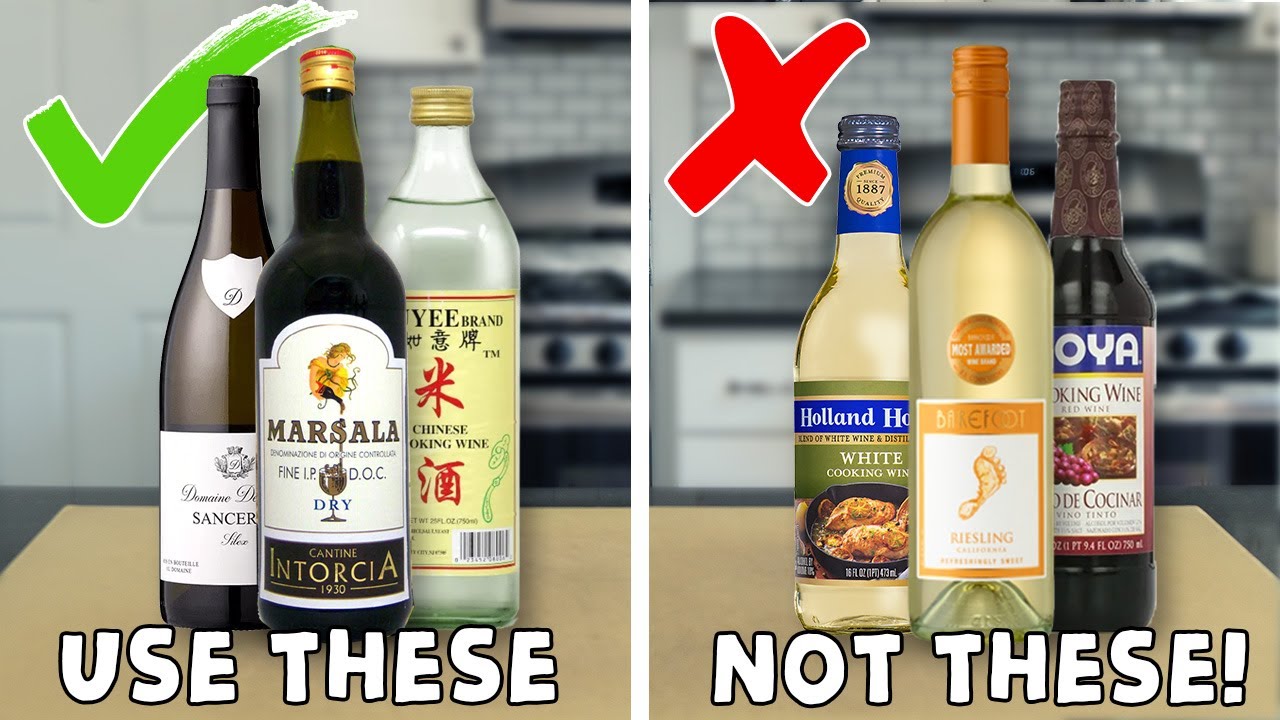
When it comes to cooking with wine, selecting the right type can make or break your dish. One of the most common mistakes is using a wine that doesnt complement the flavors of your recipe. Each wine has distinct characteristics, and choosing one that clashes with the ingredients can lead to a dish that tastes unbalanced or overly acidic. For example, using a heavy Cabernet Sauvignon in a light seafood dish can overwhelm the delicate flavors, while a sweet dessert wine might not pair well with savory sauces.
To avoid this pitfall, it’s essential to understand the basic flavor profiles of different wines. Here are some guidelines to help you choose the right wine for your cooking:
- White Wines: Generally lighter and crisper, white wines like Sauvignon Blanc or Chardonnay work well with poultry, seafood, and creamy sauces.
- Red Wines: Full-bodied reds like Merlot or Pinot Noir are perfect for hearty dishes such as beef stews and roasted meats.
- Rosé Wines: These versatile wines can bridge the gap between red and white, making them great for grilled meats and summer salads.
- Sparking Wines: Champagne or Prosecco can add a unique flair to sauces and dressings, providing a refreshing acidity.
Another common mistake is using low-quality wine for cooking. While you don’t need to splurge on a bottle, using a wine that you wouldn’t enjoy drinking can result in unpleasant flavors. Cooking wine often contains added salt and preservatives, which can negatively affect the taste of your dish. Instead, opt for a drinkable wine that you would enjoy having a glass of. This not only enhances the flavor of your food but also makes the cooking experience more enjoyable.
Lastly, remember that the cooking process can alter the wines flavors. Wines that are too sweet can become cloying when reduced, while overly tannic reds can become bitter. To mitigate this, consider adjusting the amount of wine you use or balancing it with other ingredients like broth or acid (such as lemon juice or vinegar) to create a harmonious flavor profile. By being mindful of these common mistakes and following these tips, you can elevate your cooking and create dishes that truly shine.
Enhance Your Dishes: Pairing Tips for Cooking with Dry White Wine
Cooking with dry white wine can elevate your dishes, adding complexity and depth of flavor. When used correctly, it enhances the overall taste profile of your meals. Here are some essential tips for pairing dry white wine with various ingredients to maximize your culinary creations.
Understanding Flavor Profiles
To effectively pair dry white wine with your dishes, its crucial to understand the flavor profiles of both the wine and the ingredients. Dry white wines, such as Sauvignon Blanc, Chardonnay, and Pinot Grigio, often exhibit crisp acidity and notes of citrus, green apple, or stone fruits. These characteristics make them ideal for complementing a variety of ingredients. For instance, a zesty Sauvignon Blanc pairs wonderfully with seafood, bringing out the freshness of the fish while cutting through any richness.
Cooking Techniques and Wine Pairing
Different cooking techniques can also influence how dry white wine enhances your dish. Here are some pairing suggestions based on common methods:
- Sauteing: Use dry white wine to deglaze the pan after sautéing vegetables or proteins. It adds a layer of flavor and helps lift the browned bits from the bottom, enriching your sauce.
- Poaching: When poaching fish or chicken, incorporate dry white wine into the poaching liquid. This infuses the protein with subtle flavor and aroma, resulting in a more delicious dish.
- Braising: For braised dishes, add dry white wine to the cooking liquid to enhance the overall taste. It pairs well with herbs and spices, creating a harmonious blend of flavors.
Complementing Ingredients
The key to successful cooking with dry white wine is knowing which ingredients it complements best. Here are some common pairings:
- Seafood: Dry white wine beautifully enhances the natural flavors of fish, shrimp, and shellfish.
- Poultry: Chicken and turkey benefit from the acidity and fruitiness of dry white wine, making for a balanced dish.
- Vegetables: Use dry white wine with sautéed or roasted vegetables to add brightness and acidity, enhancing their flavors.
By understanding the nuances of dry white wine and its interactions with various cooking methods and ingredients, you can elevate your culinary creations to new heights.
See all our content in the Sitemaps or in our Vip Cheers Webmaps!
You read complete Best Dry White Wine for Cooking: Top Picks & Tips See more about liqueurs here Wine.
Leave a Reply