
How Does Wine Make You Feel? Discover the Emotional Effects
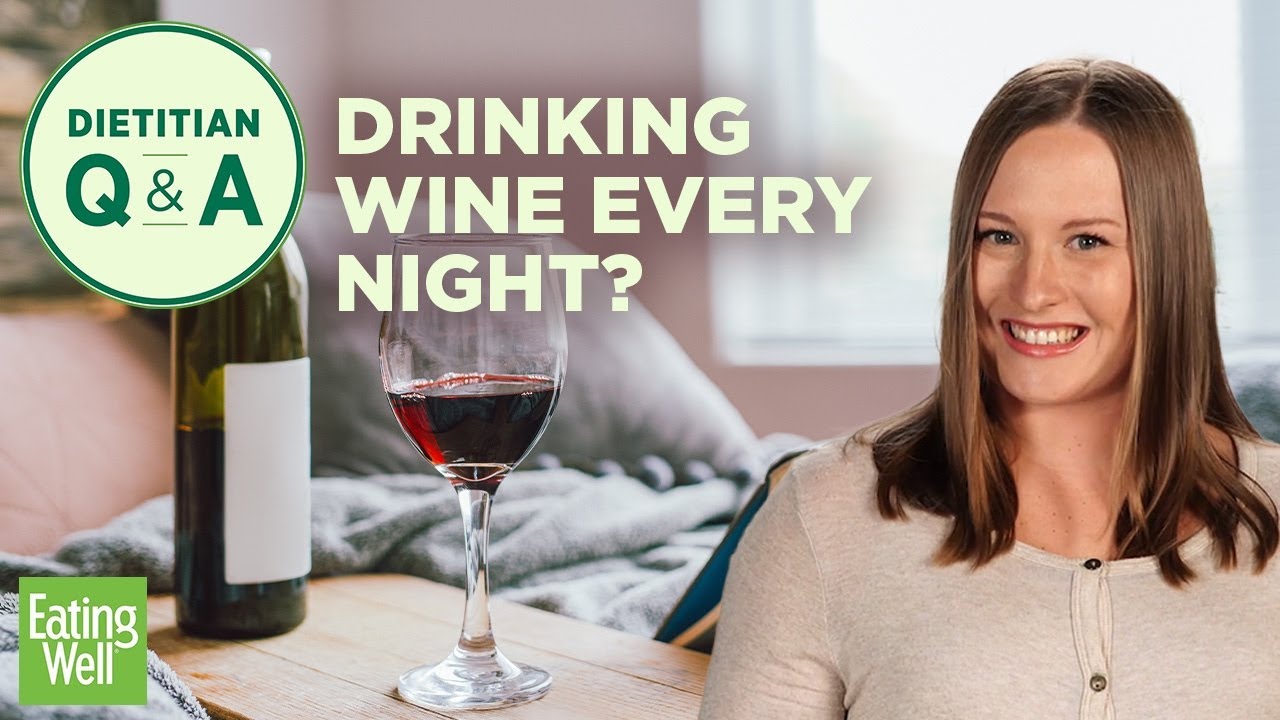
Understanding the Science Behind How Wine Makes You Feel
Wine has been celebrated for centuries, not just for its rich flavors but also for the emotional and physiological effects it can produce. Understanding the science behind how wine affects your mood involves delving into its chemical composition and how these compounds interact with our bodies. The primary component that influences how we feel when we drink wine is ethanol, the type of alcohol found in all alcoholic beverages. When consumed, ethanol enters the bloodstream and affects the central nervous system, leading to a variety of feelings and sensations.
One of the key ways wine impacts our emotions is through the release of neurotransmitters, particularly dopamine and serotonin. These chemicals play crucial roles in regulating mood and happiness. When you enjoy a glass of wine, your brain can release these feel-good hormones, which can lead to feelings of relaxation and euphoria. This effect is often enhanced by the ritual of wine drinking itself, as the social and sensory experiences associated with wine can further elevate mood.
Additionally, wine contains various compounds such as polyphenols, particularly resveratrol, which are known for their antioxidant properties. These compounds can contribute to a sense of well-being by reducing oxidative stress in the body and potentially influencing brain function. Some studies suggest that moderate wine consumption may be linked to improved cognitive function and emotional health, adding another layer to the complex relationship between wine and our feelings.
Its also important to consider the psychological aspect of wine consumption. The context in which wine is enjoyed—whether its a celebratory occasion, a quiet evening at home, or a gathering with friends—can significantly influence its emotional impact. The ambiance, flavors, and even the memories associated with specific wines can enhance the overall experience, making wine not just a beverage but a catalyst for emotional connection and enjoyment.
The Emotional Effects of Different Types of Wine
When it comes to wine, its effects extend beyond mere taste and aroma; different types of wine can evoke a range of emotions. Understanding these emotional responses can enhance your wine experience, whether youre celebrating a special occasion or unwinding after a long day.
Red Wine
Red wine is often associated with warmth and comfort. Its rich flavors and aromas can evoke feelings of nostalgia and relaxation. The tannins in red wine may also contribute to a sense of well-being, as they are known to have a calming effect on the mind. Many people find that a glass of red wine can help reduce stress and promote a feeling of contentment, making it a popular choice for cozy evenings at home or intimate gatherings with friends.
White Wine
On the other hand, white wine tends to elicit a more refreshing and uplifting emotional response. The crisp and fruity notes often found in white wines can stimulate feelings of joy and lightness. For many, sipping on a chilled glass of white wine during a sunny afternoon can evoke a sense of freedom and relaxation. Additionally, white wines, particularly those with higher acidity, can invigorate the senses and spark creativity, making them a favorite choice for social gatherings and celebratory events.
Rosé and Sparkling Wine
Rosé and sparkling wines, with their vibrant colors and effervescence, are often associated with feelings of celebration and joy. The light, fruity flavors of rosé can uplift the spirit, making it a perfect choice for summer picnics and festive occasions. Sparkling wines, such as Champagne, are synonymous with celebrations and milestones, often bringing feelings of excitement and happiness. The bubbles can create a sense of festivity, making every sip feel like a special moment.
Understanding the emotional effects of different types of wine allows you to choose the perfect bottle for any occasion, enhancing not just your palate but also your emotional experience.
How Alcohol Content Influences Your Feelings After Drinking Wine
When enjoying a glass of wine, the alcohol content plays a crucial role in shaping your overall experience and emotional state. The alcohol by volume (ABV) percentage indicates how much alcohol is present in the wine, which can significantly affect how you feel after drinking. Typically, wines range from about 8% to 15% ABV, and this variance can lead to different emotional and physical reactions.
Higher Alcohol Content
Wines with a higher alcohol content, generally above 13.5% ABV, can lead to more pronounced effects on your mood and behavior. The immediate impact of these wines can include feelings of euphoria and relaxation, often described as a buzz. However, as consumption increases, the risk of negative emotions also rises. Individuals may experience:
- Increased anxiety
- Depression
- Emotional volatility
This shift occurs because higher levels of alcohol can impair cognitive function and alter neurotransmitter activity in the brain, leading to a rollercoaster of feelings as the body metabolizes the alcohol.
Lower Alcohol Content
On the other hand, wines with lower alcohol content (around 8-12% ABV) tend to promote a more moderate and controlled experience. These wines can provide a pleasant sense of relaxation without overwhelming the senses. Drinkers often report feeling more sociable and clear-headed after consuming lower ABV wines. The milder effects can encourage prolonged enjoyment and deeper conversations without the risk of rapid mood swings or fatigue.
In addition to the ABV, the type of wine also matters. Sweet wines, for instance, can sometimes mask the alcohols effects, leading to overconsumption and unexpected emotional responses. Understanding the relationship between alcohol content and your feelings can help you make more informed choices when selecting your next bottle of wine.
Wine has long been a staple in social gatherings, serving not just as a beverage but as a catalyst for connection and conversation. The act of sharing a bottle of wine can break down barriers, fostering an atmosphere of relaxation and camaraderie. Whether it’s a casual dinner with friends or a formal celebration, wine often plays a pivotal role in enhancing the social experience.
Social Benefits of Wine
When people gather over a glass of wine, the shared experience can lead to deeper interactions. Some of the social benefits include:
- Encouragement of Conversation: Wine can lower inhibitions, making it easier for individuals to engage in meaningful dialogue.
- Creation of Rituals: From toasting to wine tasting, these rituals can enhance the sense of community among participants.
- Facilitation of Networking: Wine is often present in professional settings, helping to build relationships in a more relaxed environment.
In addition to fostering social bonds, wine has been shown to have a significant impact on mood. The enjoyment of wine can trigger the release of endorphins, promoting feelings of happiness and relaxation. This is particularly evident in celebratory settings where wine is often used to mark special occasions.
Wine and Emotional Well-being
The emotional benefits of wine consumption can be summarized as follows:
- Stress Relief: A moderate glass of wine can help alleviate stress after a long day, providing a moment of respite.
- Enhanced Enjoyment: Wine can elevate the sensory experience of food and conversation, making social interactions more enjoyable.
- Improved Mood: The pleasurable taste and aroma of wine can enhance overall mood, contributing to a more positive social atmosphere.
In summary, wine serves as a significant component in social situations, influencing both interactions and emotional well-being. Its role goes beyond mere consumption; it shapes the dynamics of gatherings and impacts how individuals feel, making it a valuable element in social experiences.
Personal Experiences: How Wine Makes People Feel Across Cultures
Wine is not merely a beverage; it is a vessel for emotion and cultural expression. Across the globe, people have unique personal experiences tied to wine that transcend mere taste. In France, for instance, wine is deeply intertwined with the culinary arts and social gatherings. A French person might recount how sharing a bottle of Bordeaux during a family dinner evokes feelings of warmth and nostalgia, reminding them of childhood celebrations and familial bonds. The act of pouring wine becomes a ritual that fosters connection, with each sip symbolizing shared stories and cherished memories.
In contrast, in regions like South America, wine often carries a sense of pride and cultural heritage. For many Chileans, enjoying a glass of Carmenère is more than just a drinking experience; it is a celebration of their lands rich agricultural history. Personal stories might emerge of gatherings during harvest season, where locals bond over the fruits of their labor, each glass serving as a toast to resilience and community spirit. The emotional connection to wine in this context highlights how it serves as a bridge between past and present, linking generations through shared traditions.
In Asian cultures, the perception of wine can vary significantly. For example, in Japan, wine is often seen as a sophisticated choice, with many individuals recalling their first encounter with a fine sake or a carefully selected red wine at a formal event. The experience is often marked by a sense of reverence, where the aesthetics of the wine and the ambiance play a crucial role. As guests savor the drink, they may reflect on the artistry behind its creation, evoking feelings of appreciation and mindfulness that are integral to Japanese culture.
Across these diverse cultures, one common thread remains: wine acts as a catalyst for emotional experiences. Whether it’s the laughter shared over a bottle in Italy, the pride felt in South America, or the mindfulness practiced in Japan, wine creates a tapestry of personal stories that enrich our understanding of human connection. Each glass tells a story, revealing how deeply intertwined our feelings are with the wines we choose to share.
See all our content in the Sitemaps or in our Vip Cheers Webmaps!
You read complete How Does Wine Make You Feel? Discover the Emotional Effects See more about liqueurs here Wine.
Leave a Reply