
The Best White Wine for Cooking: Top Choices & Tips
Understanding the Role of White Wine in Cooking
White wine plays a multifaceted role in cooking, serving not only as a flavor enhancer but also as a crucial ingredient that can elevate a dishs overall profile. When used appropriately, white wine can add acidity, depth, and complexity to a variety of recipes, making it a staple in many culinary traditions. Its light and crisp characteristics make it particularly suitable for dishes that feature seafood, poultry, and vegetables.
One of the primary functions of white wine in cooking is to deglaze pans after searing meats or sautéing vegetables. The process of deglazing involves adding wine to a hot pan to dissolve the browned bits stuck to the bottom, known as fond. This technique not only adds flavor but also creates a rich base for sauces. Common varieties like Sauvignon Blanc or Chardonnay are often chosen for their ability to complement the savory notes of a dish without overpowering it.
In addition to enhancing flavors, white wine can also serve as a marinade ingredient. When combined with herbs, spices, and other aromatics, white wine helps to tenderize proteins and infuse them with flavor. The acidity in the wine works to break down tough fibers in meats, making them more succulent and flavorful. For instance, marinating chicken in a mixture of white wine, garlic, and thyme can result in a moist and aromatic dish that is bursting with taste.
Finally, the role of white wine extends to finishing dishes, where it can be added toward the end of cooking to impart a fresh, vibrant flavor. Whether it’s a splash of white wine in a creamy risotto or a drizzle over sautéed vegetables, this final touch can brighten the overall taste and provide a delightful contrast to richer elements in the dish. By understanding the various ways white wine can be utilized in cooking, home chefs can unlock a world of flavor possibilities.
Top Varieties of White Wine Ideal for Cooking
When it comes to cooking, not all white wines are created equal. Certain varieties enhance flavors and complement dishes beautifully. Here are some of the top white wine varieties that are ideal for cooking:
1. Sauvignon Blanc
Sauvignon Blanc is a versatile white wine known for its crisp acidity and vibrant fruit flavors. Its zesty profile makes it an excellent choice for deglazing pans or adding to sauces. The bright notes of citrus and green apple can elevate seafood dishes, chicken, and even vegetable stir-fries. When using Sauvignon Blanc in your cooking, look for a bottle that is dry and unoaked for the best results.
2. Chardonnay
Chardonnay is one of the most popular white wines and can be a great addition to many recipes. Its flavor profile varies widely, from buttery and oaky to crisp and fruity. For cooking, opt for a unoaked Chardonnay, which will provide a cleaner taste without overwhelming the dish. It works exceptionally well in creamy sauces, risottos, and baked dishes, adding depth and richness.
3. Pinot Grigio
Pinot Grigio is another fantastic white wine for cooking, especially when you want to add a touch of elegance without overpowering other ingredients. This light-bodied wine has a refreshing acidity and subtle flavors of pear and citrus. It pairs wonderfully with light pasta dishes, seafood, and chicken recipes. Use it in marinades or as a cooking liquid for grains to enhance the overall flavor profile.
4. Riesling
Riesling is a unique choice for cooking due to its balance of sweetness and acidity. While some may shy away from sweet wines in savory dishes, Riesling can add a delightful complexity, especially in Asian-inspired recipes or spicy dishes. Its fruity notes can also complement roasted meats and enhance sauces. When selecting a Riesling for cooking, aim for a dry version to maintain balance in your dish.
Incorporating these white wine varieties into your cooking can significantly enhance the flavors of your dishes, bringing a touch of sophistication and depth to your culinary creations.
How to Choose the Best White Wine for Your Recipe
When selecting the best white wine for your recipe, it’s essential to consider the flavor profile and the overall dish you are preparing. Different white wines have distinct characteristics that can enhance or complement the ingredients in your meal. Start by identifying the dominant flavors in your recipe. For example, if you’re cooking with seafood, a crisp and acidic wine like Sauvignon Blanc or Pinot Grigio can elevate the dish, whereas a creamy sauce may pair better with a full-bodied Chardonnay.
Consider the Cooking Method
The method you use to prepare your dish can also influence your wine choice. Here are some general guidelines based on common cooking methods:
- Grilling: Opt for a fruity white wine, such as a Riesling or a Chenin Blanc, to balance the smoky flavors.
- Roasting: A richer wine like an oaked Chardonnay can complement roasted vegetables or poultry.
- Steaming: A light, crisp wine such as a Vermentino works well with steamed fish or vegetables.
Pay Attention to Sweetness Levels
Understanding the sweetness levels of white wines is crucial, especially if your recipe incorporates sweet elements. For dishes with a hint of sweetness, such as those containing fruit or sweet sauces, a slightly sweet white wine like Gewürztraminer can harmonize beautifully. Conversely, for savory recipes, a dry white wine will maintain the intended balance of flavors without overwhelming the dish.
Quality Over Price
While it may be tempting to reach for the cheapest bottle, investing in a quality wine can make a significant difference in your cooking. Look for wines labeled as “dry” or “crisp” for cooking, and remember that the wine you choose should be good enough to drink on its own. A well-selected white wine not only enhances the dish but also contributes depth and complexity, turning an ordinary meal into a memorable culinary experience.
White Wine Substitutes: What to Use When You’re Out
When you find yourself out of white wine, whether for cooking or mixing cocktails, there are several effective substitutes that can replicate its flavor profile and acidity. Understanding these alternatives can save your dish from falling flat or your cocktail from missing that crucial element. Here are some great options to consider.
Citrus Juices
One of the most accessible substitutes for white wine is citrus juice, particularly lemon juice or lime juice. Their acidity and brightness can mimic the tartness of white wine. For cooking, mix one part citrus juice with two parts water to dilute the intensity. This blend works well in marinades, dressings, and sauces, adding a refreshing zing that complements many dishes.
Vinegar
Another excellent alternative is vinegar, specifically white wine vinegar or apple cider vinegar. These options maintain the acidity that white wine brings to recipes. When substituting vinegar, use it sparingly; a good rule of thumb is to start with half the amount of white wine called for in your recipe and adjust to taste. This method is particularly effective in savory dishes like risottos or sautéed vegetables.
Broth or Stock
For those looking to avoid acidity altogether, vegetable broth or chicken stock can serve as a great substitute in cooking. While they wont replicate the flavor of white wine, they can add depth and moisture to your dish. When using broth or stock, consider adding a splash of lemon juice or a bit of vinegar to introduce some acidity, balancing the flavors beautifully. This combination works wonderfully in soups, stews, and risottos.
Tips for Cooking with White Wine: Dos and Donts
When it comes to enhancing flavors in your dishes, cooking with white wine can be a game-changer. However, to maximize its potential, its essential to follow some key guidelines. Here are the dos and don’ts of cooking with white wine that will elevate your culinary creations.
Dos
- Do choose the right wine: Opt for a dry white wine, such as Sauvignon Blanc or Pinot Grigio, as these varieties complement a wide range of dishes without overpowering them.
- Do use wine in moderation: A splash can enhance flavors, but too much can make your dish overly acidic or bitter. Start with a small amount and adjust according to taste.
- Do let it cook: Allow the alcohol to evaporate by cooking the wine for a few minutes. This will concentrate the flavors and remove the harshness of the alcohol.
- Do pair wisely: Match the wine with the main ingredients of your dish. For example, use white wine with seafood or chicken, and reserve red wine for heartier meats.
Donts
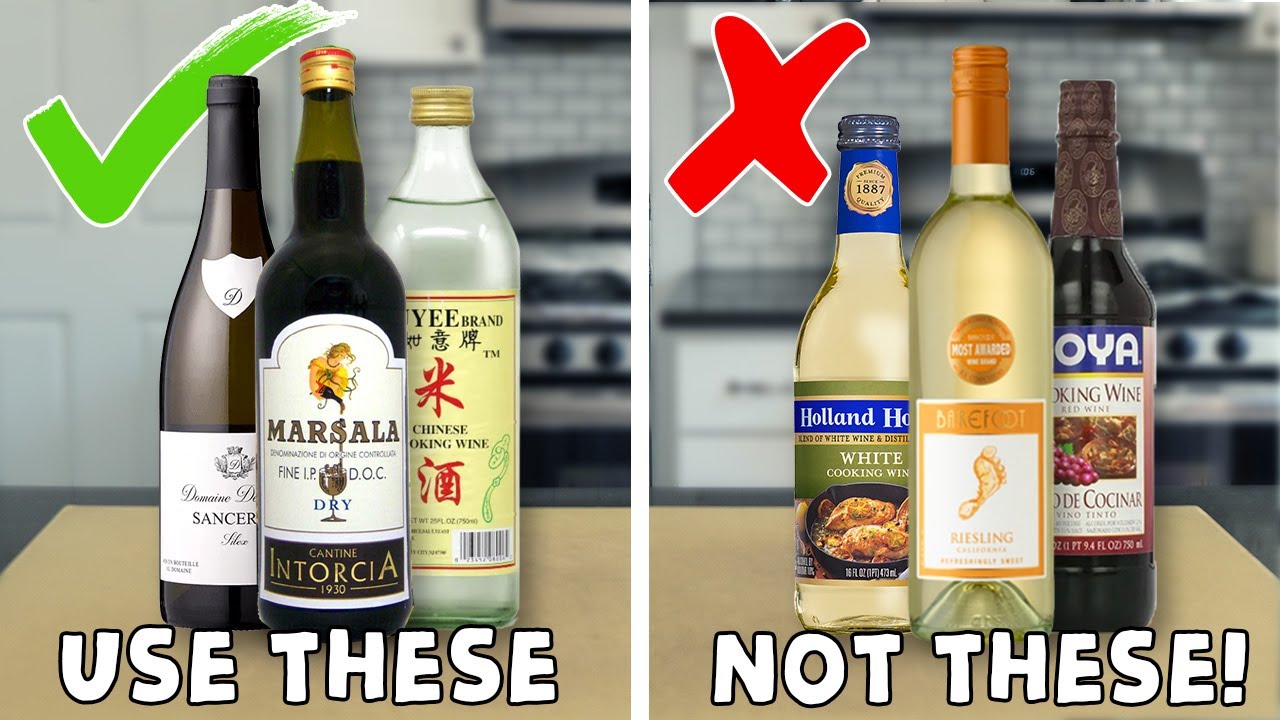
- Dont use cooking wine: Cooking wines often contain added salt and preservatives, which can negatively impact the flavor of your dish. Always opt for a wine you would drink.
- Dont forget to taste: Always taste your dish as you cook. The flavor of the wine can change as it reduces, so adjusting seasoning is key.
- Dont cook with old wine: While some might think any leftover wine is suitable, using stale or spoiled wine can ruin your dish. Ensure the wine is fresh and pleasant to drink.
- Dont overpower the dish: Remember that the goal is to enhance, not dominate. Use white wine as a complementary ingredient rather than the star of the show.
By following these dos and don’ts, you can harness the full potential of white wine in your cooking, adding depth and richness to your meals.
See all our content in the Sitemaps or in our Vip Cheers Webmaps!
You read complete The Best White Wine for Cooking: Top Choices & Tips See more about liqueurs here Wine.
Leave a Reply