
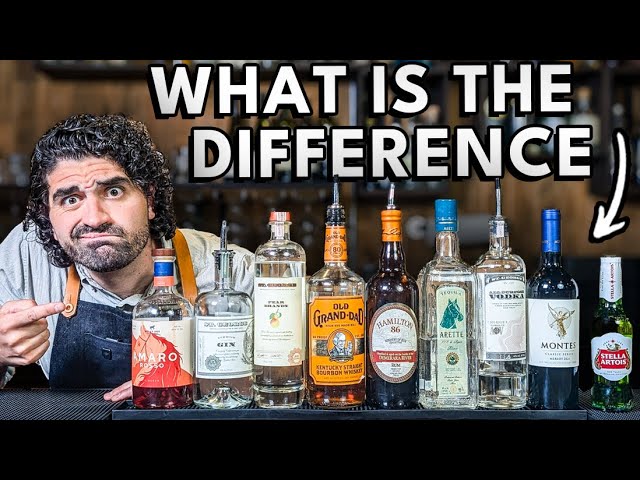
Whats the Difference Between Vodka and Tequila? Explained!
- Understanding Vodka: Origins and Production Process
- Tequila: A Deep Dive into Its Roots and Distillation Methods
- Flavor Profiles: How Vodka and Tequila Differ in Taste
- Mixology 101: Popular Cocktails Featuring Vodka and Tequila
- Health Considerations: Comparing the Nutritional Aspects of Vodka and Tequila
Understanding Vodka: Origins and Production Process
Vodka, a clear and colorless spirit, has a rich history that dates back centuries, with its origins traced primarily to Eastern Europe. The word "vodka" is derived from the Slavic word "voda," meaning "water." While the exact birthplace of vodka is debated, it is widely believed to have originated in either Russia or Poland during the 8th or 9th century. Traditionally, vodka was used for medicinal purposes and as a component in various rituals. Over the years, it has evolved into a popular spirit enjoyed around the world.
The production process of vodka is intricate and involves several key steps that contribute to its purity and flavor. The primary ingredients used in vodka production are grains, potatoes, or even fruits. The first step is fermentation, where the chosen ingredient is converted into alcohol through the action of yeast. Following fermentation, the liquid is distilled, often multiple times, to achieve a high level of alcohol content and to eliminate impurities. This distillation process can vary, with some producers opting for pot stills while others use column stills.
After distillation, vodka undergoes a crucial step known as filtration. This process removes any remaining impurities and can involve various materials, such as charcoal or sand, to achieve a smoother taste. Some distilleries even utilize unique filtration methods, such as freezing the vodka, to enhance its clarity and flavor. Once filtered, the vodka is often diluted with water to reach the desired alcohol content, typically around 40% ABV (alcohol by volume).
In terms of flavor, vodka is known for its neutral profile, which allows it to be a versatile base for cocktails. However, some brands produce flavored vodkas by infusing the spirit with fruits, spices, or herbs during the distillation process. This infusion adds a unique twist to the traditional vodka experience, catering to diverse consumer preferences. Overall, the origins and production methods of vodka not only highlight its historical significance but also its adaptability in modern mixology.
Tequila: A Deep Dive into Its Roots and Distillation Methods
Tequila, a spirit with rich cultural significance, originates from the blue agave plant, primarily found in the region surrounding the city of Tequila in Mexico. The roots of tequila can be traced back to the indigenous peoples of Mesoamerica, who fermented the agave sap into a beverage known as pulque. It wasn’t until the 17th century that distillation methods were introduced by Spanish colonizers, leading to the creation of the tequila we know today. The unique combination of agave, the regions climate, and traditional production techniques contribute to tequilas distinctive flavor profile.
Distillation Methods play a crucial role in defining the quality and characteristics of tequila. The production process typically involves several key steps:
- Harvesting: The blue agave plants are harvested after growing for about 8 to 12 years. The heart of the plant, known as the piña, is extracted for processing.
- Cooking: The piñas are then cooked in traditional stone ovens or autoclaves to convert the starches into fermentable sugars.
- Fermentation: After cooking, the agave is crushed, and the juice is fermented with natural or cultivated yeast, transforming sugars into alcohol.
- Distillation: The fermented liquid undergoes distillation, usually in pot stills or column stills, to separate alcohol from impurities, resulting in the clear spirit known as tequila.
The type of tequila produced—whether Blanco, Reposado, or Añejo—depends on the aging process after distillation. Blanco is bottled immediately, preserving the pure essence of agave, while Reposado is aged in oak barrels for a minimum of two months, adding complexity and flavor. Añejo tequila, on the other hand, is aged for at least one year, resulting in a smoother and richer profile. This meticulous attention to the roots and distillation methods ensures that tequila remains a beloved and celebrated spirit worldwide.
Flavor Profiles: How Vodka and Tequila Differ in Taste
When it comes to the flavor profiles of vodka and tequila, the differences are as distinct as the regions from which they originate. Vodka is often characterized by its clean, neutral taste, which makes it a versatile spirit suitable for a variety of cocktails. The purity of vodka comes from its distillation process, where it is typically made from grains or potatoes. This results in a smooth, crisp finish, allowing the drinker to enjoy the essence of the mixers used in cocktails without any overpowering flavors.
On the other hand, tequila is known for its bold and complex flavor profile, heavily influenced by the agave plant from which it is derived. Depending on the type of tequila—whether its blanco, reposado, or añejo—drinkers can experience a range of flavors from earthy and herbal to sweet and fruity. Blanco tequila, for example, offers a fresh, vibrant taste with notes of citrus and pepper, while añejo tequila, aged in oak barrels, can present rich flavors of vanilla, caramel, and spices.
Key Flavor Differences:
- Vodka: Clean, neutral, and smooth; often lacks distinct flavors.
- Tequila: Bold, complex, and diverse; influenced by the agave and aging process.
The contrasting flavor profiles also affect how these spirits are enjoyed. Vodka is frequently mixed into cocktails where it serves as a base, allowing for creativity with flavors. In contrast, tequila is often sipped neat or in cocktails that highlight its unique characteristics, such as the classic Margarita. The choice between vodka and tequila often comes down to personal preference, influenced by the desired taste experience in any given drinking occasion.
Mixology 101: Popular Cocktails Featuring Vodka and Tequila
When it comes to crafting delightful cocktails, vodka and tequila are two of the most versatile spirits available. Their unique flavors and adaptability make them staples in any mixologists toolkit. From classic concoctions to innovative creations, these spirits can elevate your cocktail experience. Here, we explore some popular cocktails that highlight the distinct qualities of vodka and tequila.
Vodka Cocktails
Vodka is renowned for its smoothness and ability to blend seamlessly with a variety of ingredients. Here are some beloved vodka cocktails:
- Moscow Mule: A refreshing mix of vodka, ginger beer, and lime juice served in a copper mug.
- Bloody Mary: A savory blend of vodka, tomato juice, and an array of spices, perfect for brunch.
- Cosmopolitan: A chic combination of vodka, triple sec, cranberry juice, and lime juice.
- Vodka Martini: A classic drink made with vodka and dry vermouth, garnished with an olive or lemon twist.
Tequila Cocktails
Tequila brings a unique character to cocktails, often infused with vibrant flavors. Here are some standout tequila cocktails:
- Margarita: A timeless favorite made with tequila, lime juice, and orange liqueur, often served with a salted rim.
- Tequila Sunrise: A visually stunning drink combining tequila, orange juice, and grenadine.
- Paloma: A refreshing mix of tequila, grapefruit soda, and lime juice, perfect for warm weather.
- Tequila Sour: A zesty combination of tequila, lemon juice, and simple syrup, shaken to perfection.
Both vodka and tequila offer a diverse range of flavors and possibilities, making them essential ingredients for any cocktail enthusiast. Whether you prefer the crispness of vodka or the boldness of tequila, these popular cocktails are sure to impress and satisfy your palate.
Health Considerations: Comparing the Nutritional Aspects of Vodka and Tequila
When it comes to choosing between vodka and tequila, understanding their nutritional aspects can help inform healthier drinking choices. Both spirits have unique characteristics that affect their health implications, particularly when consumed in moderation.
Caloric Content
Vodka typically contains around 97 calories per 1.5-ounce serving, making it a lower-calorie option compared to many other alcoholic beverages. Tequila, on the other hand, has a similar caloric count, usually ranging from 96 to 110 calories per 1.5-ounce serving, depending on the brand and production methods. This slight difference in calories can be important for those monitoring their caloric intake, especially if consumed frequently.
Carbohydrates and Sugar
Another significant aspect to consider is the carbohydrate and sugar content. Vodka is generally free from carbohydrates and sugars, making it a suitable option for low-carb diets, such as keto. Tequila, particularly when made from 100% agave, also has minimal sugar and carbohydrates, but it may contain trace amounts depending on the production process. For those looking to reduce sugar intake, both spirits can be considered relatively safe options, provided they are consumed neat or with low-calorie mixers.
Potential Health Benefits
While both vodka and tequila can be enjoyed responsibly, tequila has been noted for its potential health benefits, primarily due to its agave content. Some studies suggest that agave can help regulate blood sugar levels and may aid digestion. Vodka, known for its purity, is often touted for its ability to reduce hangover symptoms when compared to other spirits. However, these benefits should not overshadow the importance of moderation, as excessive alcohol consumption can lead to adverse health effects regardless of the type of spirit.
See all our content in the Sitemaps or in our Vip Cheers Webmaps!
You read complete Whats the Difference Between Vodka and Tequila? Explained! See more about liqueurs here Vodka.
Leave a Reply