
What Type of Alcohol Is Cognac? A Complete Guide
Is cognac a whiskey or bourbon?
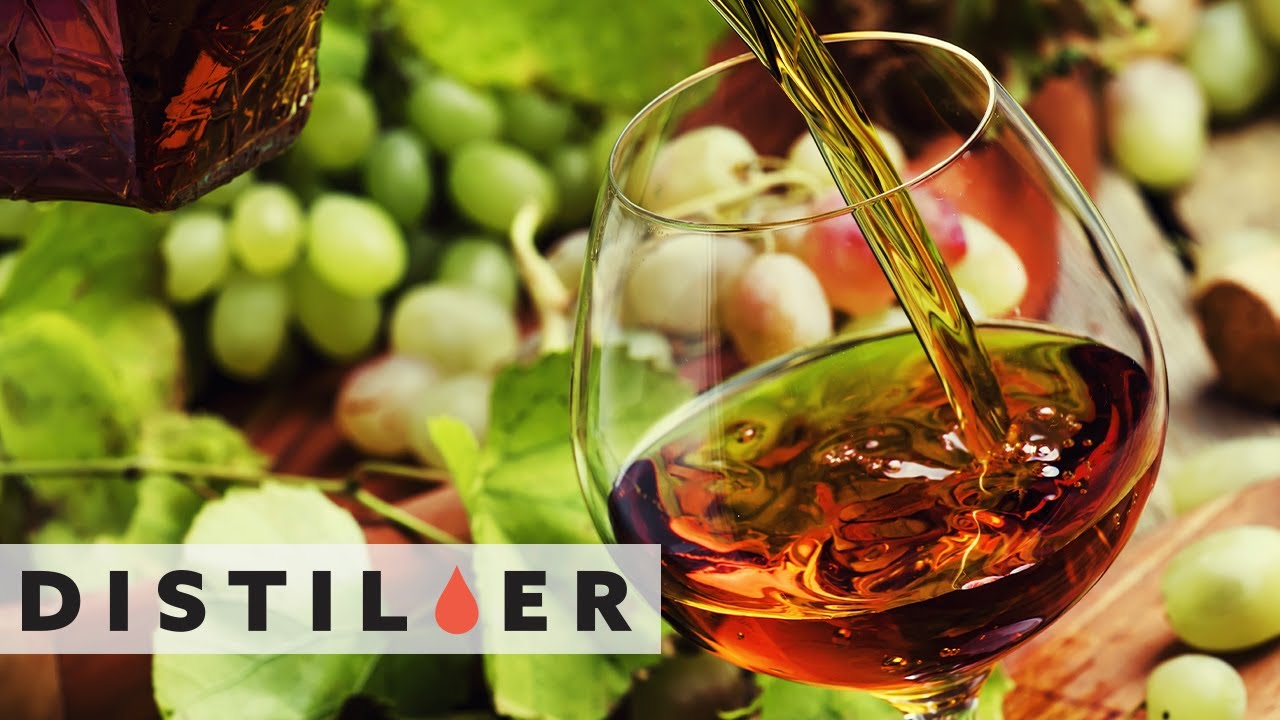
Cognac is neither whiskey nor bourbon, though it is often confused with these spirits due to their similarities as distilled beverages. To clarify, cognac is a type of brandy that originates from the Cognac region of France. It is made primarily from grapes, specifically the Ugni Blanc grape, which is fermented and then distilled twice in pot stills. This distinct production process and the geographical designation set cognac apart from whiskey and bourbon.
In contrast, whiskey is a broad category of distilled spirits made from fermented grain mash, which can include barley, corn, rye, and wheat. The production process for whiskey varies by type, with Scotch, Irish whiskey, and American whiskey (including bourbon) each having unique regulations and methods. For example, bourbon must be made from at least 51% corn and aged in new charred oak barrels, while whiskey can be aged in used barrels and has different grain requirements.
To further distinguish these spirits, consider the following key differences:
- Ingredients: Cognac is made from grapes, whereas whiskey and bourbon are made from grains.
- Geographical Origin: Cognac must come from the Cognac region of France, while whiskey can be produced worldwide, with bourbon being a distinctly American product.
- Distillation Process: Cognac is double distilled in pot stills, while whiskey can be distilled in pot stills or column stills, depending on the type.
The aging process also plays a crucial role in differentiating these spirits. Cognac is aged in French oak barrels for a minimum of two years, which imparts unique flavors and characteristics to the spirit. In contrast, bourbon must be aged in new charred oak barrels, and while there is no minimum aging requirement for whiskey, it generally benefits from aging to develop its flavors. These distinct production methods and regulations highlight the fact that cognac, whiskey, and bourbon are unique in their own right, each offering a different tasting experience.
Is cognac a brandy or whiskey?
Cognac is a type of brandy, not whiskey. To understand this distinction, its essential to know the definitions and characteristics of both beverages. Brandy is a spirit produced by distilling wine, while whiskey is made from fermented grain mash, which can include barley, corn, rye, and wheat. Cognac, specifically, is a French brandy that must adhere to strict regulations set by the appellation of origin, including being produced in the Cognac region of France and aged in oak barrels for a minimum of two years.
One of the defining factors that separate cognac from whiskey is the base ingredient used in production. Cognac is derived from specific grape varieties, primarily Ugni Blanc, which contributes to its fruity and floral flavor profile. In contrast, whiskeys flavor is influenced by the grains used and the distillation process. The aging process also differs; while both spirits benefit from oak aging, the types of barrels and duration of aging can vary significantly, impacting the final taste and aroma of each spirit.
When it comes to production methods, cognac undergoes double distillation in pot stills, which helps create a smoother and more refined spirit. Whiskey, however, can be distilled in either pot stills or column stills, resulting in a broader range of flavors and styles. The specific regulations surrounding cognac production ensure a high level of quality and authenticity, which further distinguishes it from whiskey.
In summary, while both cognac and whiskey are popular distilled spirits enjoyed worldwide, cognac is classified as a brandy due to its grape base and production methods. Understanding these differences not only enhances appreciation for each spirit but also helps consumers make informed choices when selecting their favorite drinks.
What kind of alcohol is cognac?
Cognac is a type of brandy, specifically a high-quality variety produced in the Cognac region of France. To be classified as cognac, the spirit must adhere to strict regulations set by the Bureau National Interprofessionnel du Cognac (BNIC). This includes being distilled from specific grape varieties, primarily Ugni Blanc, and aged in oak barrels for a minimum of two years. The unique terroir of the Cognac region, characterized by its chalky soil and temperate climate, contributes significantly to the flavor profile of the spirit.
The production process of cognac involves two primary distillations in copper pot stills, known as alembics. The first distillation produces a liquid called "brouillis," which has an alcohol content of about 30%. The second distillation refines this further, resulting in a spirit with an alcohol content of around 60-70%. After distillation, cognac is aged in oak barrels, where it develops complex flavors and aromas. The aging process is crucial, as it imparts characteristics like vanilla, caramel, and spice, making cognac distinct from other types of brandy.
Cognac is categorized into different classifications based on its age, which include VS (Very Special), VSOP (Very Superior Old Pale), and XO (Extra Old). Each classification indicates the minimum aging period, with VS requiring at least two years, VSOP four years, and XO ten years or more. These age designations not only reflect the maturity of the spirit but also influence its flavor, aroma, and overall quality.
In addition to its unique production methods and aging processes, cognac is often enjoyed neat or in cocktails, showcasing its versatility. The complexity and richness of cognac make it a favored choice among spirits enthusiasts, whether sipped slowly to appreciate its intricate notes or mixed into sophisticated drinks.
Is cognac stronger than vodka?
When comparing the strength of cognac and vodka, its essential to understand that both beverages are distilled spirits, but they differ significantly in their alcohol content and production processes. Generally, vodka has a higher alcohol by volume (ABV) percentage than cognac. Vodka typically ranges from 35% to 50% ABV, while cognac usually sits around 40% ABV. This means that, in most cases, vodka is considered stronger than cognac.
Factors Influencing Alcohol Strength:
1. Distillation Process: Vodka is often distilled multiple times, which contributes to its higher alcohol content. Cognac, on the other hand, is made from grapes and undergoes a specific distillation process that results in a more complex flavor profile, but usually at a lower ABV.
2. Serving Size: While vodka is generally stronger, serving sizes can affect the overall experience. A standard shot of vodka may contain more alcohol than a standard serving of cognac, which is typically enjoyed in smaller quantities due to its richer taste.
3. Consumption Context: The way each spirit is consumed can also impact the perception of strength. Vodka is often mixed into cocktails, diluting its potency, while cognac is usually sipped neat or on the rocks, allowing drinkers to appreciate its flavor nuances.
In summary, while vodka is usually stronger in terms of alcohol content, the experience of drinking each spirit can vary significantly based on factors such as serving size and context. Understanding these differences can enhance your appreciation for both beverages and their unique qualities.
See all our content in the Sitemaps or in our Vip Cheers Webmaps!
You read complete What Type of Alcohol Is Cognac? A Complete Guide See more about liqueurs here Other Liquors.
Leave a Reply