
What Is Whiskey Made Of? Ingredients & Process Explained
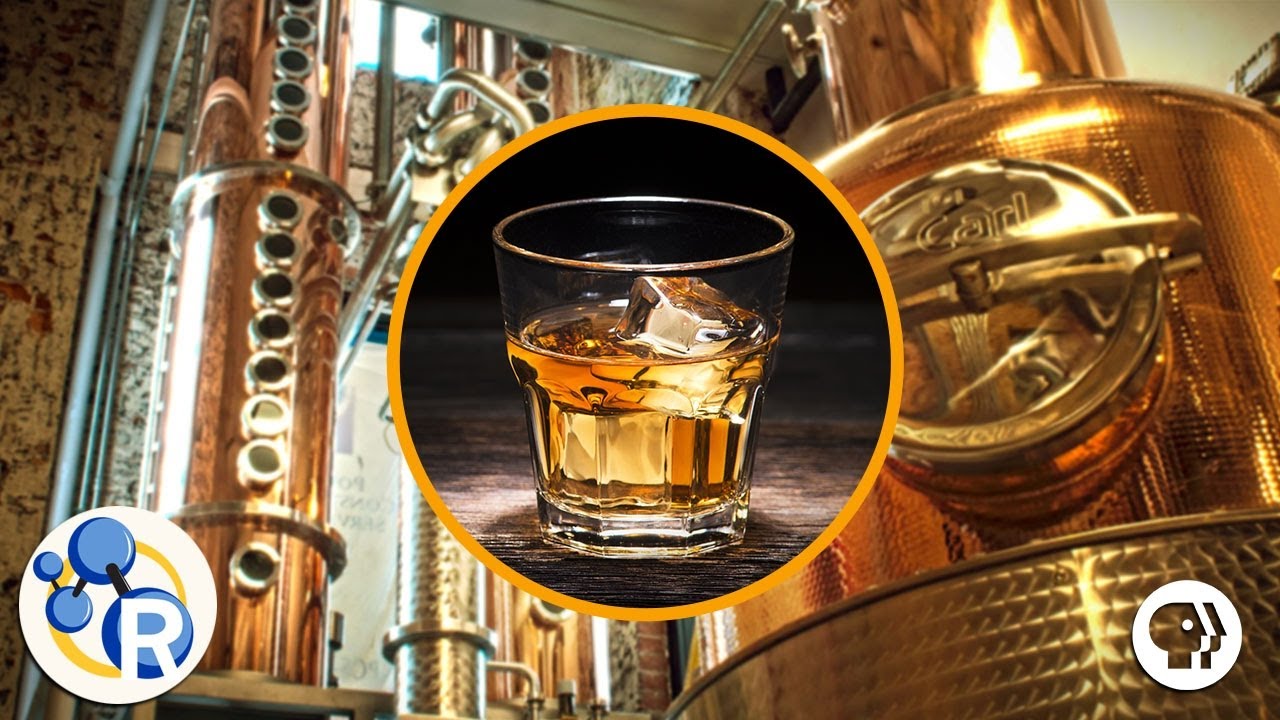
What is the main ingredient of whiskey?
The primary ingredient in whiskey is grains, which serve as the foundation for this beloved spirit. The type of grain used can vary significantly, leading to different styles and flavors of whiskey. The most common grains utilized in whiskey production include barley, corn, rye, and wheat. Each of these grains contributes unique characteristics to the final product, influencing both the taste and aroma of the whiskey.
Types of Grains Used in Whiskey
- Barley: Often used in malt whiskey, barley provides a rich, nutty flavor and is essential in the malting process.
- Corn: Predominantly found in bourbon, corn imparts sweetness and a smooth mouthfeel, making it a favorite among whiskey drinkers.
- Rye: Known for its spicy and robust flavor profile, rye is commonly used in rye whiskey and can add complexity to blends.
- Wheat: Used in some bourbons and other whiskey varieties, wheat can soften the flavor and enhance smoothness.
The grain is not only the main ingredient but also plays a crucial role in the fermentation process, where yeast converts the sugars from the grains into alcohol. The choice of grain influences the whiskeys final taste, making it essential for distillers to select their ingredients carefully. The mash bill, or the specific combination of grains used, is a closely guarded secret for many distilleries, contributing to the unique identity of their whiskey.
In addition to grains, whiskey production also involves water and yeast. Water is vital for mashing and fermentation, while yeast facilitates the conversion of sugars into alcohol. However, it is the grains that truly define the essence of whiskey, establishing its character and paving the way for a myriad of flavor profiles that whiskey enthusiasts cherish.
What is Jack Daniel's made of?
What is Jack Daniels made of?
Jack Daniels is renowned for its distinctive flavor and quality, which can be attributed to its carefully selected ingredients. The primary components that make up Jack Daniels Tennessee whiskey include corn, rye, malted barley, and pure iron-free cave spring water sourced from Lynchburg, Tennessee. Each of these ingredients plays a crucial role in the whiskeys final profile, contributing to its smoothness and complexity.
Key Ingredients
- Corn: Jack Daniels uses a mash bill that contains at least 51% corn, which is essential for creating the whiskeys sweet and rich flavor.
- Rye: A smaller percentage of rye adds a spicy character to the whiskey, balancing the sweetness of the corn.
- Malted Barley: This ingredient helps in the fermentation process and enhances the overall flavor profile, providing depth and complexity.
- Water: The pure, iron-free water from the cave spring is a key element, ensuring that no impurities affect the whiskeys taste.
The meticulous selection and treatment of these ingredients are part of the traditional whiskey-making process that Jack Daniels adheres to. The combination of the grains, particularly the high corn content, results in a smooth, mellow spirit that has become a favorite among whiskey enthusiasts. Additionally, the waters unique mineral composition from the cave spring further enhances the flavor, making it an integral part of the Jack Daniels identity.
During production, these ingredients undergo a fermentation process, where yeast is added to convert sugars into alcohol. This step is crucial for developing the unique flavors that define Jack Daniels whiskey. After fermentation, the mash is distilled, and the resulting spirit is aged in charred white oak barrels, which imparts additional flavors and character to the whiskey. The careful crafting of these elements ensures that each bottle of Jack Daniels delivers a consistent and exceptional tasting experience.
Is all whiskey made from corn?
Whiskey is a beloved spirit that comes in various styles, and one common misconception is that all whiskey is made from corn. While corn is a primary ingredient in some whiskey varieties, particularly bourbon, it is not the sole grain used in whiskey production. In fact, whiskey can be made from a variety of grains, each contributing distinct flavors and characteristics to the final product.
Types of Whiskey and Their Grains
Different types of whiskey utilize different grains in their mash bills. Here are some common types of whiskey and their primary ingredients:
- Bourbon: Must contain at least 51% corn.
- Rye Whiskey: Made primarily from rye grain, must have at least 51% rye.
- Scotch Whisky: Primarily made from malted barley; can also include other grains.
- Irish Whiskey: Often made from a mix of malted and unmalted barley.
While bourbons high corn content gives it a sweet, rich flavor, other whiskeys like rye provide a spicier profile. Scotch, known for its smoky characteristics, often relies on barley, while Irish whiskey is generally smoother due to its use of a mix of grains.
Understanding the Role of Corn in Whiskey Production
Corn plays a significant role in the production of certain whiskey types, particularly in the United States. Its high sugar content makes it an ideal grain for fermentation, leading to higher alcohol yields. However, the flavor and style of whiskey can vary dramatically based on the grain composition.
For instance, while a bourbons sweet and full-bodied taste is derived from its corn base, a rye whiskeys sharp and peppery notes come from its predominant rye grain. Thus, while corn is a key ingredient in some whiskeys, it is not accurate to say that all whiskey is made from corn. Understanding the grain makeup is essential for appreciating the diverse world of whiskey.
What does whiskey contain in it?
Whiskey is a complex spirit that is crafted through a meticulous process, resulting in a rich blend of flavors and aromas. At its core, whiskey is primarily composed of four main ingredients: water, grain, yeast, and time. Each component plays a crucial role in the production and final character of the whiskey.
1. Water
Water is an essential ingredient in whiskey production, influencing both the fermentation process and the overall taste of the spirit. Distilleries often use water sourced from natural springs or rivers, which can impart unique mineral qualities to the whiskey. The purity and chemical composition of the water can significantly affect the flavor profile, making it a critical element in the distillation process.
2. Grain
The type of grain used in whiskey varies depending on the style and region of production. Common grains include:
- Barley: Often used in malt whiskey, it contributes to the spirits sweetness and complexity.
- Corn: Predominantly used in bourbon, corn gives the whiskey a rich, sweet flavor.
- Rye: Known for its spicy notes, rye is a key ingredient in rye whiskey.
- Wheat: Sometimes used in conjunction with other grains, wheat can soften the whiskeys profile.
The choice of grain not only impacts the taste but also the texture and mouthfeel of the whiskey.
3. Yeast
Yeast is the catalyst for fermentation, converting sugars from the grains into alcohol. Different strains of yeast can impart distinct flavors and aromas, contributing to the uniqueness of each whiskey. Distillers often have proprietary yeast cultures that have been cultivated over generations, adding to the character and depth of their products.
4. Aging Process
The aging process is where whiskey develops its complexity and depth. Whiskey is typically aged in wooden barrels, often made from oak, which allows for the extraction of flavors and tannins from the wood. During this time, chemical reactions occur, enhancing the whiskeys color, aroma, and taste. The duration and conditions of aging—such as temperature and humidity—further influence the final product, making it a vital component in understanding what whiskey contains.
See all our content in the Sitemaps or in our Vip Cheers Webmaps!
You read complete What Is Whiskey Made Of? Ingredients & Process Explained See more about liqueurs here Whisky.
Leave a Reply