
What is the Standard Pour in a Single Mixer Cocktail?
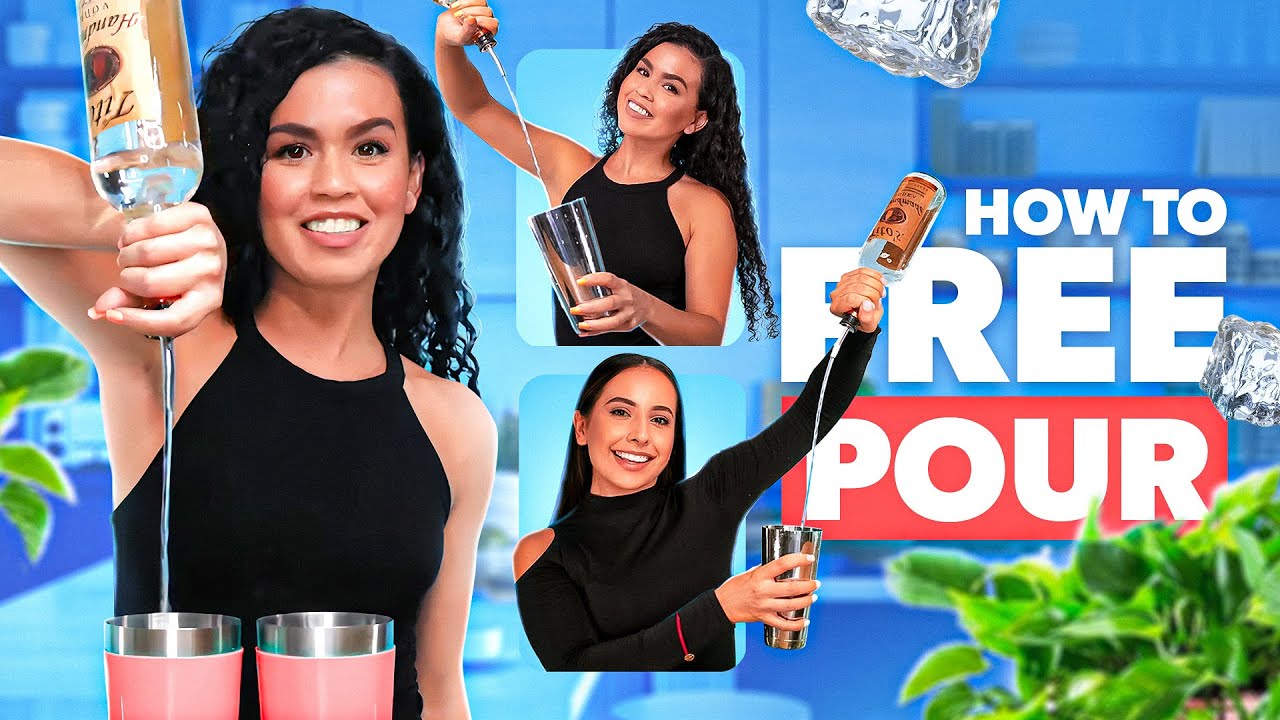
What is the standard pour for a single mixer cocktail?
When crafting a single mixer cocktail, understanding the standard pour is essential for achieving the perfect balance of flavors. Typically, a standard pour for spirits in a cocktail is 1.5 ounces (or 44 milliliters). This measurement ensures that the cocktail has the right strength and taste without overpowering the mixer. Whether youre using vodka, rum, gin, or whiskey, sticking to this standard pour helps maintain consistency and quality in your drink.
In addition to the spirit, the mixer also plays a crucial role in defining the cocktails overall character. For most cocktails, the standard pour for the mixer is around 3 to 4 ounces (or 89 to 118 milliliters). This ratio allows the flavors of the spirit and mixer to complement each other harmoniously. Common mixers include tonic water, soda, juice, or flavored syrups. Here’s a quick breakdown of standard pours for some popular single mixer cocktails:
- Vodka Tonic: 1.5 oz vodka + 4 oz tonic water
- Rum and Coke: 1.5 oz rum + 4 oz cola
- Whiskey Ginger: 1.5 oz whiskey + 3 oz ginger ale
Maintaining these standard pours not only ensures that your cocktails taste great but also helps bartenders and home mixologists serve drinks that are consistent in strength. By adhering to these measurements, you can create cocktails that not only satisfy your guests but also adhere to professional bartending standards. Experimenting with different mixers while keeping the spirit pour constant can lead to delicious variations, enhancing your cocktail repertoire.
What is a standard pour in a jigger?
A jigger is a popular bar tool used by bartenders to measure spirits accurately. Understanding the standard pour in a jigger is essential for crafting cocktails that maintain a consistent flavor and balance. Typically, a jigger is designed with two sides, each offering a different measurement capacity. The most common standard pours are 1 ounce (30 ml) and 1.5 ounces (45 ml), which correspond to the smaller and larger sides of the jigger, respectively.
When it comes to standard pours, the 1.5-ounce measurement is often referred to as a "jigger pour." This measurement is commonly used for cocktails that require a stronger base, such as whiskey or rum-based drinks. On the other hand, the 1-ounce pour is frequently utilized for cocktails that need a more delicate balance, such as lighter drinks or those that include multiple ingredients. This division allows bartenders to create a variety of cocktails while maintaining the right proportions.
In addition to the basic measurements, many jiggers come with additional markings that can indicate smaller increments, such as 0.5 ounces or even 0.75 ounces. This versatility is especially useful for bartenders who need to create cocktails with precise measurements, ensuring that each drink is consistent in flavor and strength. Using a jigger effectively can enhance the overall cocktail experience, making it essential for both professional and home bartenders.
To summarize the standard pours in a jigger:
- 1 ounce (30 ml): Ideal for lighter cocktails and precise measurements.
- 1.5 ounces (45 ml): Commonly used for stronger cocktails and a standard jigger pour.
- Additional markings: Some jiggers may feature smaller increments for more complex recipes.
Understanding these standard pours is crucial for anyone looking to master the art of mixology.
What is the average pour for a cocktail?
When it comes to crafting the perfect cocktail, understanding the average pour is essential for both bartenders and enthusiasts alike. The average pour for a cocktail typically ranges between 1.5 to 2 ounces of spirits. This measurement serves as a guideline for creating balanced drinks that highlight flavors without overwhelming the palate. Its important to note that the pour size may vary based on the type of cocktail and the specific ingredients involved.
Standard Pour Sizes
In the world of cocktails, different spirits and mixers have their own standard pour sizes. Here’s a quick breakdown of common pour sizes:
- Spirits: 1.5 ounces (standard shot)
- Liqueurs: 0.5 to 1 ounce
- Mixers: 2 to 4 ounces (depending on the drink)
- Bitters: A dash or two (typically around 1/8 ounce)
Understanding these measurements helps ensure that cocktails are not only delicious but also consistent in taste and strength. For instance, a classic cocktail like a Martini usually contains about 2 ounces of gin or vodka, while a refreshing Mojito might incorporate 1.5 ounces of rum along with other ingredients.
Factors Influencing Pour Size
Several factors can influence the average pour for a cocktail. The type of glassware used, the occasion, and personal preferences all play a role. For example, cocktails served in smaller glasses may have a smaller pour to maintain a balanced ratio of ingredients. Additionally, some cocktails are designed to be served as a double pour, which can double the spirit content to 3 ounces or more, particularly for drinks meant to deliver a stronger flavor profile.
Ultimately, understanding the average pour for a cocktail is not just about measuring ingredients; it’s about creating a well-balanced and enjoyable drinking experience. By mastering these measurements, both home bartenders and professionals can elevate their cocktail-making skills and deliver drinks that are sure to impress.
What is the 2:1:1 rule for cocktails?
The 2:1:1 rule for cocktails is a foundational guideline in mixology that simplifies the process of creating balanced and flavorful drinks. This rule typically refers to the proportions of the three main components in a cocktail: base spirit, modifier, and sour. Understanding this rule can enhance your cocktail-making skills, allowing you to craft delicious beverages with ease.
Breaking Down the 2:1:1 Ratio
In the 2:1:1 rule, the numbers represent the parts of each ingredient used in the cocktail. Specifically:
- 2 parts base spirit: This is the primary alcoholic component of the drink, such as vodka, gin, rum, or whiskey.
- 1 part modifier: This component adds complexity and flavor, typically in the form of liqueurs or fortified wines like vermouth.
- 1 part sour: This usually refers to a citrus element, such as lemon or lime juice, which introduces acidity and balances the sweetness of the other ingredients.
Examples of Cocktails Using the 2:1:1 Rule
Many classic cocktails utilize the 2:1:1 rule, making it an essential principle for both novice and experienced bartenders. For instance, a classic Daiquiri follows this formula with 2 ounces of rum, 1 ounce of lime juice, and 1 ounce of simple syrup. Another example is the Whiskey Sour, which combines 2 ounces of whiskey, 1 ounce of lemon juice, and 1 ounce of simple syrup. These drinks demonstrate how the 2:1:1 ratio can create a harmonious blend of flavors.
Why Use the 2:1:1 Rule?
Utilizing the 2:1:1 rule helps ensure that your cocktails are well-balanced, enhancing both flavor and drinkability. This guideline allows for easy adjustments based on personal taste preferences or ingredient availability. By mastering the 2:1:1 rule, you can experiment with different spirits and modifiers while still achieving a satisfying and cohesive cocktail experience.
See all our content in the Sitemaps or in our Vip Cheers Webmaps!
You read complete What is the Standard Pour in a Single Mixer Cocktail? See more about liqueurs here Other Liquors.
Leave a Reply