
What Is Produced When Beer Is Made: The Brewing Process Explained
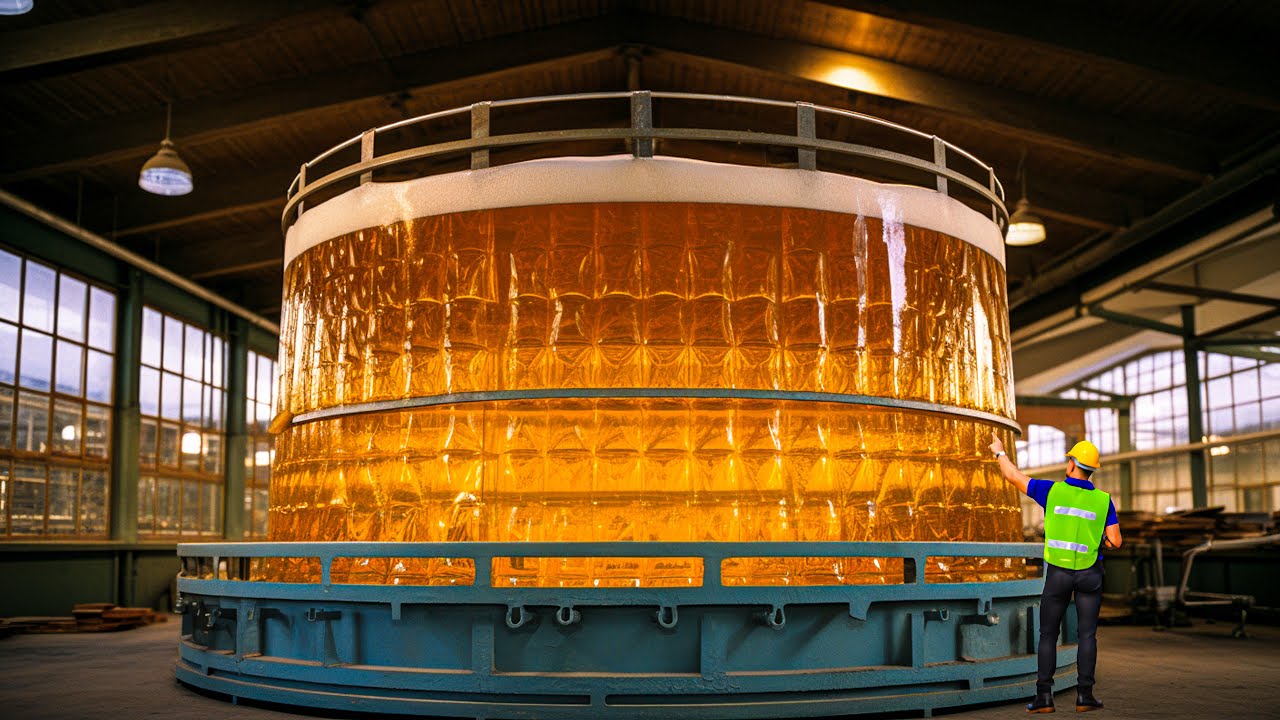
Introduction to the Brewing Process
The brewing process is a fascinating blend of science and art that transforms simple ingredients into one of the worlds most beloved beverages: beer. Understanding what is produced when beer is made requires an exploration of various stages, from raw ingredients to the final product. This article delves into each phase of brewing, highlighting the transformation that occurs and the key components involved.
The Essential Ingredients of Beer
Before we dive into the brewing process, its important to understand the core ingredients that make up beer. The primary ingredients include:
- Water
- Malt (usually barley)
- Hops
- Yeast
Each of these ingredients plays a vital role in determining the flavor, aroma, and overall character of the beer.
Water
Water is the most abundant ingredient in beer, making up about 90-95% of its content. The mineral composition of the water can significantly affect the taste of the beer. Different regions have unique water profiles, which is why certain styles of beer are traditionally brewed in specific locations.
Malt
Malt, particularly barley, is a crucial source of fermentable sugars. The process of malting involves soaking grains in water, allowing them to germinate, and then drying them in a kiln. This process develops the enzymes required for converting starches into sugars during mashing. Different types of malts contribute various flavors, colors, and aromas to the beer.
Hops
Hops are the flowers of the hop plant and are essential for adding bitterness to balance the sweetness of the malt. They also impart aroma and flavor to the beer. Hops contain essential oils that can produce a range of scents, from floral to citrusy. The timing of hop addition during brewing influences the final flavor profile.
Yeast
Yeast is a living organism responsible for fermentation. It consumes the sugars produced from malt and converts them into alcohol and carbon dioxide. Different strains of yeast can produce different flavors and aromas, which is why yeast selection is critical in the brewing process.
The Brewing Process: Step-by-Step
The brewing process can be broken down into several key stages, each contributing to the final product. Let’s explore these stages in detail.
1. Mashing
The brewing process begins with mashing, where crushed malted grains are mixed with hot water. This stage is crucial because it activates enzymes that convert starches into fermentable sugars. The temperature and duration of mashing can affect the efficiency of sugar extraction and the flavor profile of the beer.
During mashing, the mixture is often held at different temperatures to optimize enzyme activity. The result is a sweet liquid known as wort.
2. Lautering
Once mashing is complete, the next step is lautering, where the wort is separated from the solid grain husks. This is typically done in a vessel called a lauter tun. The liquid is drained off, and additional water may be used to rinse the grains in a process known as sparging. This helps to extract as much sugar as possible from the grains.
3. Boiling
The wort is then transferred to a brew kettle and brought to a boil. Boiling serves several important purposes:
- It sterilizes the wort, eliminating any unwanted bacteria.
- It extracts flavors and aromas from the hops, which are added during this stage.
- It helps to concentrate the wort by evaporating excess water.
The timing of hop additions during the boil will determine the bitterness and aroma of the final beer. Early additions contribute bitterness, while later additions enhance aroma.
4. Cooling
After boiling, the wort needs to be cooled quickly to a temperature suitable for fermentation. This is typically done using a wort chiller. Rapid cooling helps to prevent the growth of unwanted microorganisms and prepares the wort for yeast addition.
5. Fermentation
Once the wort has cooled, it is transferred to a fermentation vessel, and yeast is added. This stage is where the magic happens. The yeast begins to consume the sugars in the wort, producing alcohol and carbon dioxide as byproducts. This process can take anywhere from a few days to several weeks, depending on the type of beer being produced.
During fermentation, the flavors of the beer continue to develop, and the alcohol content increases. There are two main types of fermentation:
- Top Fermentation (Ale): Uses Saccharomyces cerevisiae, which ferments at warmer temperatures.
- Bottom Fermentation (Lager): Uses Saccharomyces pastorianus, which ferments at cooler temperatures.
6. Conditioning
After fermentation is complete, the beer undergoes a process called conditioning. This stage allows the flavors to mellow and mature. During conditioning, additional hops may be added for a process known as dry hopping, which enhances aroma without adding bitterness.
Conditioning can take place in the fermentation vessel or in bottles/kegs. It helps to improve clarity and carbonation as well.
7. Filtration and Packaging
Once conditioning is complete, the beer is often filtered to remove any remaining yeast and sediment. This step can improve clarity and stability. After filtration, the beer is packaged into bottles, cans, or kegs for distribution. At this point, carbonation levels are adjusted to achieve the desired mouthfeel.
The Byproducts of Brewing Beer
Throughout the brewing process, several byproducts are produced. Understanding these byproducts is essential for a complete picture of what happens during brewing. Here are some notable byproducts:
1. Alcohol
The primary byproduct of fermentation is alcohol (ethanol), which gives beer its intoxicating properties. The alcohol content varies depending on the type of beer and the fermentation process. Most beers contain between 4% and 8% alcohol by volume (ABV), though some styles can exceed 12% ABV.
2. Carbon Dioxide
Another significant byproduct is carbon dioxide (CO2). This gas is responsible for the bubbles and carbonation in beer. While some CO2 is released during fermentation, a portion is retained in the beer, contributing to its mouthfeel and freshness.
3. Heat
Fermentation generates heat, which can raise the temperature of the beer. Brewers must monitor this temperature closely, as excessive heat can stress the yeast and produce off-flavors. Proper temperature control is crucial for achieving the desired flavor profile.
4. Flavor Compounds
During fermentation, yeast produces a variety of flavor compounds known as esters and phenols. These compounds contribute to the aroma and flavor of the beer. For example, esters can impart fruity notes, while phenols may add spicy or smoky characteristics. The balance of these compounds is influenced by yeast strain, fermentation temperature, and other factors.
The Role of Quality Control in Brewing
Quality control is a critical aspect of the brewing process. Brewers employ various techniques to ensure that each batch of beer meets their standards for flavor, aroma, and appearance. Some common quality control measures include:
- Regular Tasting: Brewers taste their beer throughout the brewing process to identify any off-flavors or inconsistencies.
- Laboratory Testing: Samples of beer may be tested for various parameters, including alcohol content, pH, and microbial contamination.
- Consistency Checks: Brewers strive to maintain consistency across batches, which may involve adjusting ingredient quantities or brewing techniques.
The Environmental Impact of Brewing
As the craft beer industry continues to grow, so does its environmental impact. Brewing consumes significant resources, particularly water and energy. Many breweries are adopting sustainable practices to mitigate their environmental footprint. Some initiatives include:
- Water Conservation: Implementing systems to recycle water used in brewing and cleaning.
- Energy Efficiency: Investing in energy-efficient equipment and exploring renewable energy sources.
- Waste Management: Finding uses for spent grains, such as animal feed or compost.
The Future of Brewing
The brewing industry is continually evolving, with new techniques and innovations emerging regularly. As consumer preferences change, brewers are experimenting with unique ingredients and brewing methods to create exciting new flavors. Some trends shaping the future of brewing include:
- Craft Beer Innovation: The rise of craft breweries has led to an explosion of creativity in beer styles and flavors.
- Sustainable Brewing Practices: More breweries are prioritizing sustainability and eco-friendly practices.
- Technological Advancements: Innovations in brewing technology are streamlining processes and improving quality control.
Conclusion
The brewing process is a complex interplay of ingredients, techniques, and science that results in the beloved beverage known as beer. From mashing to fermentation, each step produces unique byproducts that contribute to the final products character. As the industry continues to innovate and adapt, the future of brewing promises to be as exciting as the rich history that precedes it. Whether you’re a casual drinker or a dedicated homebrewer, understanding the brewing process enhances appreciation for this age-old craft.
See all our content in the Sitemaps or in our Vip Cheers Webmaps!
You read complete What Is Produced When Beer Is Made: The Brewing Process Explained See more about liqueurs here Beer.
Leave a Reply