
What Happens If You Freeze Wine? Effects & Tips Explained
What Happens If You Freeze Wine: Understanding the Basics
When it comes to freezing wine, many wine enthusiasts may wonder about the implications of doing so. Freezing wine can significantly alter its composition and flavor, and understanding these changes is crucial for anyone considering this method of preservation or storage.
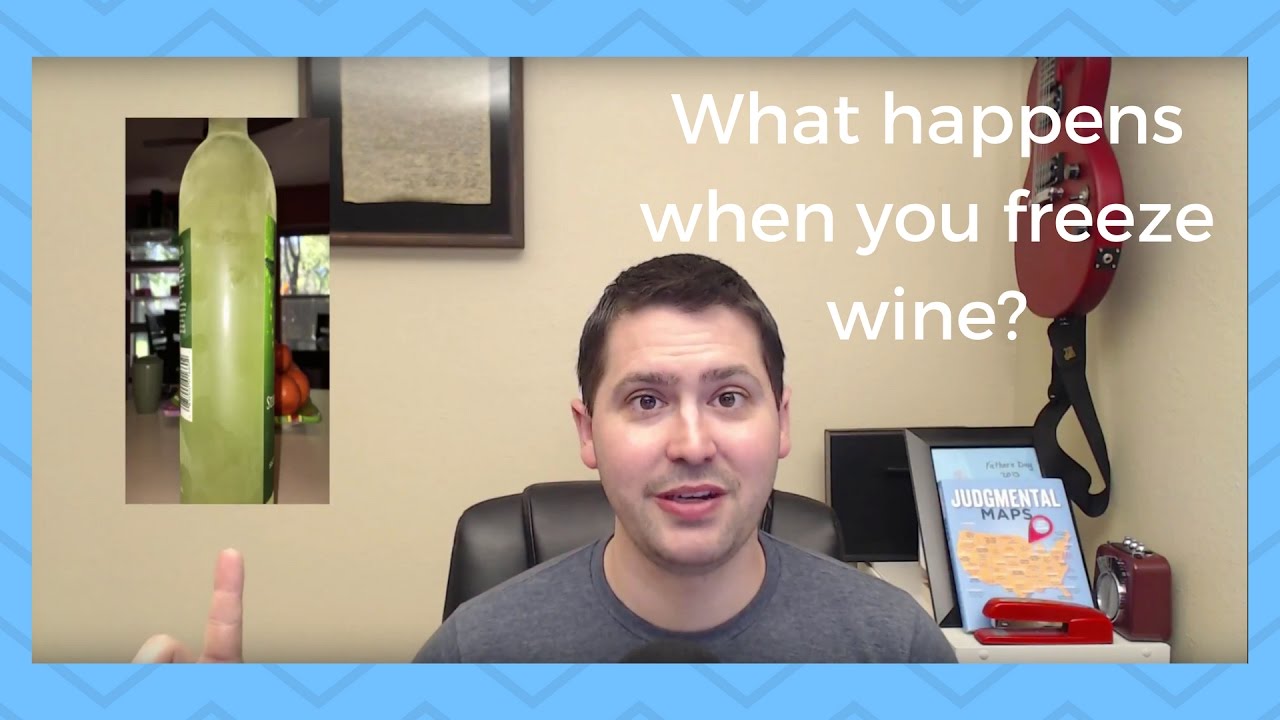
Firstly, its important to note that wine is primarily composed of water, which expands when frozen. This expansion can lead to several outcomes, such as broken bottles or corks that may pop out. When the wine freezes, the water content forms ice crystals, which can disrupt the delicate balance of flavors and aromas that wine connoisseurs cherish.
Additionally, the freezing process can impact the wines texture. When thawed, frozen wine may exhibit a grainy or slushy consistency, losing the smooth mouthfeel that is characteristic of many varieties. This textural change is particularly noticeable in wines with higher sugar content, such as dessert wines, which may not return to their original state after thawing.
Another factor to consider is the potential loss of aroma and flavor compounds. Essential volatile compounds that contribute to a wines bouquet may dissipate during the freezing and thawing process, leading to a less vibrant and enjoyable tasting experience. For those who appreciate the nuances of different varietals, this can be a significant drawback.
In summary, while freezing wine might seem like a practical solution for preserving an open bottle, it can lead to undesirable changes in flavor, texture, and overall quality. Understanding these basic principles can help wine lovers make informed decisions about how to handle their favorite bottles.
The Effects of Freezing on Different Types of Wine
When it comes to wine, temperature is crucial for preserving its unique flavors and aromas. Freezing wine can have varying effects depending on the type of wine involved. Understanding these effects can help wine enthusiasts make informed decisions about storing and serving their favorite vintages.
Red Wines
Red wines are particularly sensitive to freezing temperatures. When red wine freezes, the water content expands, which can cause the cork to push out or even break, leading to oxidation. This process alters the wines flavor profile, often resulting in a loss of the complex aromas that are characteristic of quality red wines. Additionally, the freezing process can lead to the precipitation of tannins and pigments, negatively impacting the wines texture and mouthfeel.
White Wines
White wines generally have a higher acidity level than red wines, which can make them slightly more resilient to freezing. However, they are not immune to the adverse effects. Similar to red wines, freezing can cause the wine to lose its aromatic qualities and can result in the separation of flavor compounds. This can lead to a duller taste and a less enjoyable drinking experience. For delicate varietals like Riesling or Sauvignon Blanc, the impact can be particularly pronounced, resulting in a wine that tastes flat and uninviting.
Sparkling Wines
Sparkling wines, such as Champagne and Prosecco, are especially vulnerable to freezing. The high pressure within the bottle can lead to dangerous situations when frozen, as the expansion of the liquid can cause the bottle to explode. Even if the bottle remains intact, freezing can disrupt the delicate balance of carbonation, leading to a loss of effervescence and a flat texture. The intricate flavors that make sparkling wines unique may also be diminished, resulting in a less enjoyable sip.
In summary, the effects of freezing on wine vary significantly by type. While red wines can suffer from structural changes and flavor loss, white wines experience diminished aromas and taste. Sparkling wines face unique risks due to their carbonation. Wine lovers should consider these factors carefully to maintain the integrity of their cherished bottles.
Can You Safely Freeze Wine? Tips and Best Practices
Freezing wine is a topic that often sparks debate among wine enthusiasts. While it is technically possible to freeze wine, there are important considerations to keep in mind to ensure that you do so safely and effectively. Wine is composed of water, alcohol, and various compounds, and when frozen, the water content expands, which can lead to bottle breakage if not handled properly.
Understanding the Effects of Freezing Wine
When wine is frozen, the flavor and aroma compounds can be altered, resulting in a different tasting experience once thawed. The alcohol content in wine lowers the freezing point, typically allowing it to freeze at around 15°F (-9°C) or lower, depending on the alcohol content. For best results, it’s advisable to freeze wine in an ice cube tray or a freezer-safe container, which can help mitigate the risk of bottle breakage and allow for easier portion control later.
Tips for Freezing Wine Safely
1. Choose the Right Container: Use a silicone ice cube tray or freezer-safe plastic container. Avoid glass bottles, as they can shatter when the wine expands.
2. Leave Space for Expansion: If using a container, fill it only to about ¾ full to allow for expansion as the wine freezes.
3. Label Your Containers: Clearly mark your containers with the type of wine and the date frozen to keep track of your inventory and ensure you use them within a reasonable time frame.
4. Thawing Process: When ready to use your frozen wine, thaw it in the refrigerator or at room temperature. Avoid microwaving or using heat, as this can further alter the flavor and aroma.
By following these tips and best practices, you can safely freeze wine while minimizing the impact on its quality and taste.
How Freezing Wine Affects Flavor and Quality
Freezing wine is a controversial practice among enthusiasts and experts alike, as it can significantly alter the beverages flavor profile and overall quality. When wine is frozen, the water content expands, potentially leading to the rupture of the delicate structure of the wine. This disruption can result in a loss of aromatic compounds and flavors that are crucial for the wines character. As a result, the once harmonious balance of acidity, sweetness, and tannins may become skewed, diminishing the overall tasting experience.
One of the primary effects of freezing wine is the concentration of flavors. As the water in the wine freezes, it forms ice crystals, leaving behind a more concentrated liquid when thawed. This can lead to a more intense flavor but can also strip away the subtle nuances that define high-quality wines. For those who appreciate complex flavor profiles, this alteration can be disappointing. In contrast, some may find that freezing certain wines, especially those with higher sugar content, can enhance their sweetness and fruitiness, making them more appealing in specific contexts.
Factors Influencing Flavor Changes When Freezing Wine:
- Wine Type: Different varieties react uniquely to freezing. For example, sweeter dessert wines may retain more of their character compared to drier reds.
- Alcohol Content: Wines with higher alcohol content may freeze at lower temperatures, affecting the preservation of flavor.
- Storage Duration: The length of time a wine is frozen can impact its overall quality; prolonged freezing may lead to greater flavor loss.
Additionally, the texture of the wine can be adversely affected by freezing. When thawed, the wine may develop a grainy or watery mouthfeel, which detracts from the smoothness that is often associated with well-crafted wines. The change in texture can lead to an unsatisfactory drinking experience, especially for those accustomed to enjoying the elegance of fine wines. Therefore, while freezing wine may seem like a practical solution for preservation or chilling, it is essential to consider the potential impacts on flavor and quality before proceeding.
Alternatives to Freezing Wine: What You Should Consider
When it comes to preserving wine, freezing is often a tempting option for those looking to extend the shelf life of their favorite bottles. However, there are several alternatives to consider that can maintain the wines quality without the risks associated with freezing. Understanding these options can help wine enthusiasts make informed decisions.
1. Refrigeration
Storing wine in a refrigerator is a simple and effective way to keep it fresh for a longer period. For white wines and sparkling varieties, a consistent cool temperature is ideal. Red wines can also benefit from being stored in the refrigerator, especially if consumed within a few days. Remember to let red wine warm up slightly before serving to enhance its flavors.
2. Vacuum Sealing
Using a vacuum sealer can significantly extend the life of an opened bottle of wine. This method involves removing air from the bottle, which slows down the oxidation process. Vacuum sealing can keep your wine fresh for several days or even weeks, depending on the type of wine. This is particularly useful for those who enjoy sipping wine slowly.
3. Wine Preserver Systems
Wine preserver systems, such as inert gas preservation or specialized wine stoppers, are designed to protect your wine from oxidation. These systems work by creating a barrier between the wine and the air, helping to maintain its taste and aroma. Investing in a quality wine preserver can be a smart choice for regular wine drinkers.
4. Smaller Bottles
Transferring leftover wine into smaller bottles can also be an effective way to minimize oxidation. By reducing the amount of air in contact with the wine, you can preserve its quality for a longer time. This method is especially useful for those who enjoy tasting various wines without committing to a full bottle.
See all our content in the Sitemaps or in our Vip Cheers Webmaps!
You read complete What Happens If You Freeze Wine? Effects & Tips Explained See more about liqueurs here Wine.
Leave a Reply