
Discover the Different Types of Single Malt Scotch Whisky
How many types of single malt whiskey are there?
Single malt whiskey is a beloved spirit with a rich history and diverse flavor profiles, making it a favorite among connoisseurs and casual drinkers alike. The term "single malt" refers to whiskey that is produced at a single distillery using malted barley as the primary grain and distilled in pot stills. While there are many variations, single malt whiskey can generally be categorized into several types based on various factors, including region, production methods, and aging processes.
Types Based on Region
One of the most significant ways to classify single malt whiskey is by its geographic origin. Different regions impart unique characteristics to the whiskey, influenced by local climate, water sources, and production techniques. The primary regions known for producing single malt whiskey include:
- Scotland: The most famous region, home to several sub-regions like Islay, Speyside, and the Highlands, each offering distinct flavor profiles.
- Ireland: Known for its smoother, lighter style, often triple-distilled for a softer finish.
- Japan: Gaining international acclaim, Japanese single malts often exhibit a delicate balance of flavors, inspired by both Scottish traditions and local ingredients.
- United States: While not as common, some American distilleries produce single malts that reflect their unique terroir.
Types Based on Production Techniques
Another way to categorize single malt whiskey is by the production methods used. This includes variations in the malting process, distillation, and maturation. Some notable types include:
- Peated Single Malt: Made using malted barley dried over peat fires, imparting a distinctive smoky flavor.
- Non-Peated Single Malt: Typically offers a more straightforward, grain-forward profile without the smokiness.
- Single Cask: Bottled from a single aging barrel, these whiskeys can vary significantly in flavor and are often released in limited quantities.
- Blended Single Malt: A blend of single malts from different distilleries, providing a harmonious balance of flavors.
Types Based on Aging and Cask Finishing
The aging process and the types of casks used can also influence the classification of single malt whiskey. Aging in different types of barrels can impart unique flavors and aromas. Common aging methods include:
- Ex-Bourbon Cask: Commonly used for aging, these casks provide notes of vanilla, caramel, and oak.
- Sherry Cask: Aging in sherry casks adds rich, fruity, and nutty flavors, often associated with Spanish oak.
- Wine Cask Finished: Some distilleries experiment with finishing their whiskey in wine casks, resulting in a complex flavor profile.
Understanding the various types of single malt whiskey enhances the appreciation for this complex spirit, allowing enthusiasts to explore the diverse world of flavors and traditions it has to offer.
What are the 5 regions of single malt Scotch?
Single malt Scotch whisky is renowned for its diverse flavors and characteristics, which are heavily influenced by the region in which it is produced. There are five main regions in Scotland that are recognized for their distinct styles of single malt Scotch. Each region offers unique qualities that reflect the local environment, traditions, and production methods. Here’s a closer look at these five regions:
1. Speyside
Speyside is often considered the heart of Scotch whisky production, boasting the highest concentration of distilleries in Scotland. This region is known for its sweet and fruity whiskies, often featuring notes of apple, pear, honey, and malt. Some of the most famous distilleries, such as Glenfiddich and The Macallan, are located here, contributing to the regions reputation for high-quality single malts.
2. Islay
Islay is renowned for its bold and peaty whiskies, which are characterized by their smoky flavors and maritime influences. The islands unique climate and geography play a significant role in the flavor profiles of its whiskies. Distilleries like Laphroaig and Ardbeg are famous for their intense, robust expressions that often include notes of seaweed, brine, and medicinal qualities.
3. Highlands
The Highlands is the largest whisky-producing region in Scotland, offering a diverse range of flavors due to its vast geographical variations. Whiskies from this region can be full-bodied and rich, with flavor profiles that may include heather, floral notes, and spices. Notable distilleries such as Oban and Dalmore exemplify the complexity found in Highland single malts.
4. Lowlands
Lowland whiskies are generally lighter and more delicate compared to those from other regions. They often have a grassy or floral quality, making them approachable for new whisky drinkers. The Lowlands are home to distilleries like Auchentoshan and Glen Garioch, which produce smooth and subtle expressions that are ideal for those seeking a gentler introduction to single malt Scotch.
5. Campbeltown
Once a thriving whisky-producing hub, Campbeltown is now home to only a few distilleries, but it remains known for its unique and complex whiskies. Campbeltown single malts often exhibit a briny character, with flavors that can range from maritime notes to rich, sherried sweetness. Springbank and Glen Scotia are two of the prominent distilleries in this region, celebrated for their distinctive profiles.
Understanding these five regions of single malt Scotch provides insight into the rich tapestry of flavors and styles that this beloved spirit has to offer. Each regions unique characteristics contribute to the overall diversity of Scotch whisky, allowing enthusiasts to explore a wide range of tastes and experiences.
Which is the best single malt scotch whisky?
When it comes to determining the best single malt Scotch whisky, the answer can be quite subjective, as it often depends on personal taste and preference. However, several brands consistently receive high praise from whisky connoisseurs and critics alike. Here are some of the most renowned single malt Scotch whiskies that are frequently mentioned as the best in the world:
Top Contenders for Best Single Malt Scotch Whisky
- Glenfiddich 15 Year Old - Known for its rich and complex flavor profile, this whisky features notes of honey, dried fruit, and spices, making it a favorite among both newcomers and seasoned drinkers.
- Macallan Sherry Oak 18 Year Old - Renowned for its deep, rich flavors of dried fruits and chocolate, this whisky is matured in sherry-seasoned oak casks, giving it a luxurious character.
- Laphroaig 10 Year Old - For those who enjoy a peaty and smoky flavor, Laphroaig offers a bold experience with its maritime notes and hints of iodine.
- Highland Park 18 Year Old - This whisky strikes a perfect balance between sweet and smoky, with flavors of heather honey, dark chocolate, and a subtle peat influence.
Another key factor in identifying the best single malt Scotch is the region of production. Each Scotch whisky region in Scotland offers unique characteristics. For instance, Islay whiskies are typically more robust and peaty, while Speyside whiskies tend to be fruitier and lighter. Some of the most celebrated regions include:
- Islay - Famous for its smoky and maritime flavors.
- Speyside - Known for its sweetness and fruitiness.
- Highlands - Offers a diverse range of flavors, from floral to rich and peaty.
- Lowlands - Typically lighter and more delicate, ideal for newcomers.
Ultimately, the best single malt Scotch whisky is one that resonates with your palate. Tasting different expressions and exploring various distilleries can lead to a deeper appreciation of this fine spirit, making it a personal journey of discovery. Whether you prefer a rich, sherried whisky or a light, floral one, the world of single malt Scotch has something exceptional to offer everyone.
What are the 5 types of Scotch whiskey?
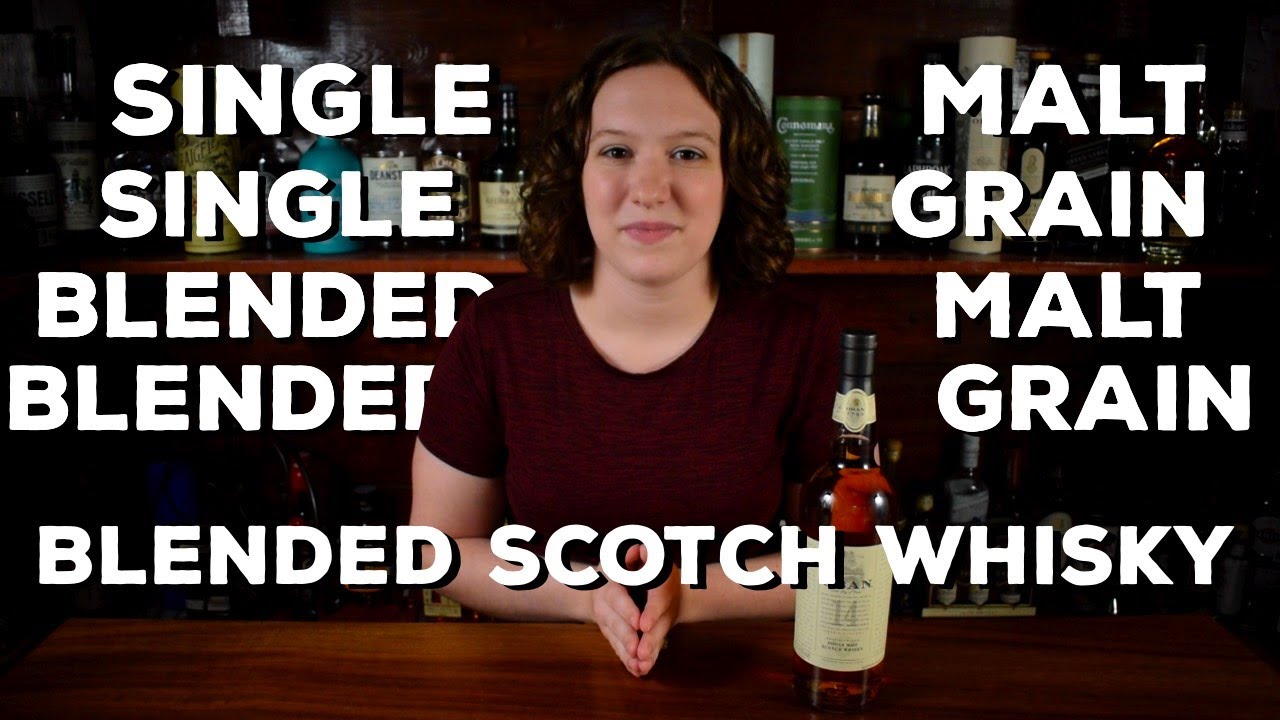
Scotch whiskey, a distilled spirit from Scotland, is celebrated for its rich flavors and diverse characteristics. Understanding the different types of Scotch whiskey is essential for enthusiasts and casual drinkers alike. The five primary types of Scotch whiskey include Single Malt, Single Grain, Blended Malt, Blended Grain, and Blended Scotch. Each type offers a unique taste profile and production method.
1. Single Malt Scotch
Single Malt Scotch is produced at a single distillery using only malted barley and water. It is distilled in pot stills and must be aged for a minimum of three years in oak casks. This type is known for its rich flavors and complexity, often showcasing the unique characteristics of its distillery. Popular examples include brands like Glenfiddich and Macallan.
2. Single Grain Scotch
Single Grain Scotch is made at a single distillery but can include grains other than barley, such as corn or wheat. It is typically distilled in column stills, resulting in a lighter flavor profile compared to Single Malt. While often used in blends, there are notable examples like Cameronbridge that stand out on their own.
3. Blended Malt Scotch
Blended Malt Scotch, formerly known as "Vatted Malt," is a mix of Single Malts from different distilleries. This type allows for a broader flavor spectrum, as the blending process can combine the best characteristics of various malts. Brands like Compass Box are known for their innovative blends, appealing to both novice and seasoned whiskey drinkers.
4. Blended Grain Scotch
Blended Grain Scotch is a combination of Single Grain whiskies from multiple distilleries. It is often less complex than its malt counterparts, making it a smoother option for those new to Scotch. While it may not receive as much attention, it plays a vital role in many popular blends, providing a lighter backbone to the overall profile.
5. Blended Scotch
Blended Scotch is the most commercially popular type, consisting of a mix of both Single Malt and Single Grain whiskies. This type aims for a consistent flavor profile across batches, making it approachable for a wide audience. Iconic brands like Johnnie Walker and Chivas Regal exemplify the diversity and accessibility of Blended Scotch, offering a range of expressions to suit various palates.
See all our content in the Sitemaps or in our Vip Cheers Webmaps!
You read complete Discover the Different Types of Single Malt Scotch Whisky See more about liqueurs here Other Liquors.
Leave a Reply