
Is Champagne the Same as Wine? Discover the Key Differences
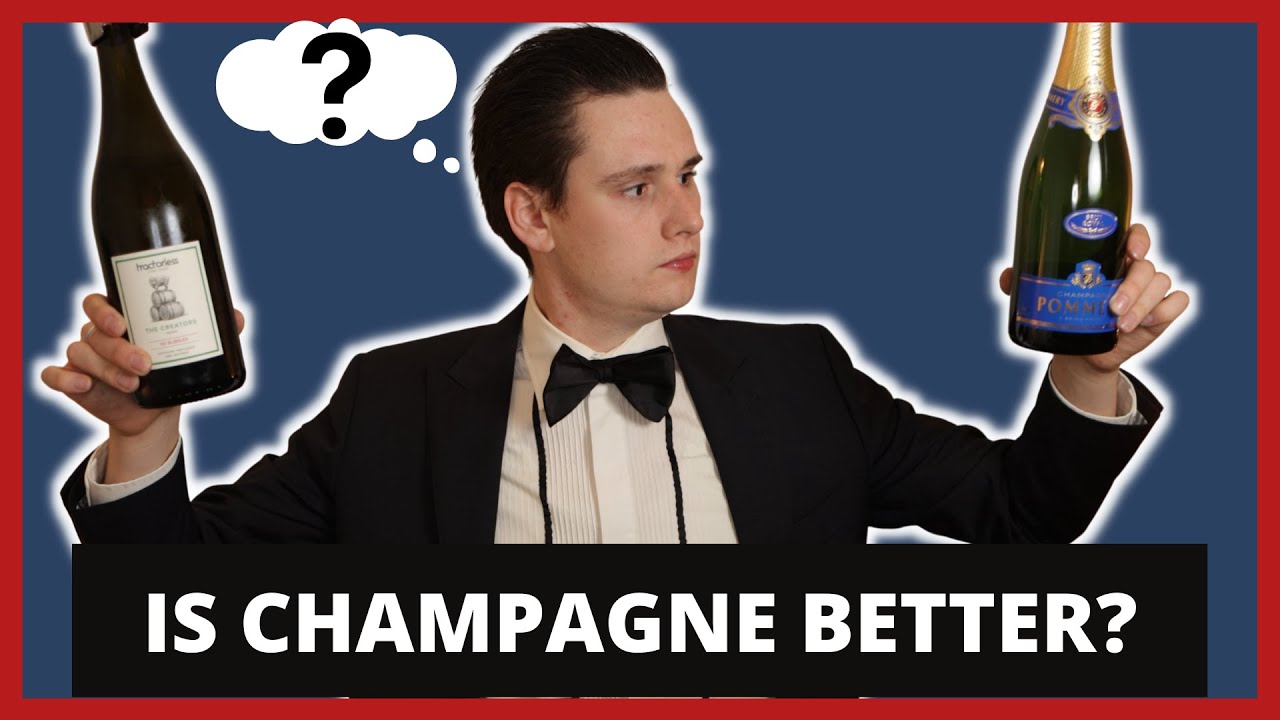
Understanding the Basics: What is Wine?
Wine is an alcoholic beverage made from the fermented juice of grapes. The fermentation process occurs when yeast consumes the sugars in the grape juice, producing alcohol and carbon dioxide. This age-old practice dates back thousands of years and has evolved into a sophisticated industry with numerous varieties and styles. The primary types of wine are red, white, rosé, and sparkling, each distinguished by the grape types used, the fermentation process, and the aging techniques applied.
Key Components of Wine:
- Grapes: The foundation of wine, with over a thousand varieties cultivated worldwide.
- Fermentation: The chemical process that converts sugars into alcohol and carbon dioxide.
- Aging: The process that enhances the flavor profile, which can occur in stainless steel, glass, or wooden barrels.
The characteristics of wine are influenced by several factors, including the grape variety, the region where the grapes are grown (often referred to as the "terroir"), and the winemaking techniques employed. For instance, red wines typically derive their color and tannins from the grape skins, which are left in contact with the juice during fermentation. In contrast, white wines are usually made by pressing the grapes and separating the skins before fermentation.
Wine is not only a drink but also a cultural artifact, often associated with social gatherings, culinary experiences, and celebrations. Understanding wine involves recognizing its complexity, from the different flavors and aromas to the various regions and vintages. As you delve deeper into the world of wine, you will discover a rich tapestry of traditions, preferences, and innovations that continue to shape this beloved beverage.
Defining Champagne: A Unique Type of Wine
Champagne is not just any sparkling wine; it is a distinct and celebrated type of wine that originates from the Champagne region of France. To be classified as Champagne, the wine must adhere to strict regulations set forth by the appellation. This includes being produced in the designated geographical area and following specific methods of production known as the "Champagne method" or "méthode champenoise." These regulations ensure that every bottle of Champagne reflects the unique terroir and traditions of its region.
Key Characteristics of Champagne:
- Location: Must be produced in the Champagne region of France.
- Grapes: Primarily made from three grape varieties: Chardonnay, Pinot Noir, and Pinot Meunier.
- Production Method: Involves a secondary fermentation process in the bottle, creating its signature bubbles.
- Aging Requirements: Minimum aging requirements vary, with non-vintage Champagne needing at least 15 months and vintage Champagne requiring a minimum of three years.
The production of Champagne is a meticulous process that begins with the careful selection of grapes, which are harvested by hand to ensure quality. After fermentation, the wine undergoes a secondary fermentation in the bottle, which is crucial for developing the characteristic effervescence. This process also contributes to the complex flavors and aromas that Champagne is known for, such as notes of brioche, apple, and citrus.
Additionally, Champagne is often associated with celebration and luxury, making it a popular choice for special occasions. Its versatility allows it to pair well with a variety of foods, from seafood to desserts, further solidifying its status as a unique and sought-after wine. Whether enjoyed in a flute or on its own, Champagne offers a distinctive experience that sets it apart from other sparkling wines around the world.
Key Differences Between Champagne and Other Wines
When exploring the world of wines, its essential to understand the distinctive qualities that set Champagne apart from other varieties. Champagne, a sparkling wine originating from the Champagne region of France, is renowned for its unique production method known as the méthode champenoise or traditional method. This process involves a secondary fermentation in the bottle, which creates the characteristic bubbles and effervescence that Champagne is celebrated for. In contrast, most still wines undergo a single fermentation process, resulting in a different mouthfeel and texture.
Another significant difference lies in the grape varieties used to produce Champagne. The primary grapes include Chardonnay, Pinot Noir, and Pinot Meunier. These specific grapes contribute to Champagnes complex flavor profile, which can range from crisp and citrusy to rich and toasty, depending on the blend and aging process. Other wines, such as Cabernet Sauvignon or Merlot, utilize different grape varieties that impart distinct flavors and aromas, making each wine type unique in its expression.
Furthermore, the terroir of the Champagne region plays a critical role in shaping the wines characteristics. The chalky soil, cool climate, and unique geographical conditions of Champagne create an environment that is particularly suited for sparkling wine production. In contrast, wines produced in warmer regions, such as California or Australia, may exhibit bolder fruit flavors and less acidity, resulting in a different overall experience for the consumer.
Lastly, the serving and pairing of Champagne often differ from those of other wines. Champagne is frequently enjoyed as an aperitif or celebratory drink, often paired with light appetizers or seafood. Other wines may be paired with heartier dishes, such as red meats or rich sauces. The versatility of Champagne allows it to be enjoyed in various settings, further distinguishing it from the vast array of still wines available on the market.
How Champagne is Made: The Traditional Method Explained
The traditional method of making Champagne, known as "Méthode Champenoise" or "Méthode Traditionnelle," is a meticulous process that ensures the unique quality and characteristics of this celebrated sparkling wine. The journey begins with the selection of grapes, primarily Chardonnay, Pinot Noir, and Pinot Meunier. These grapes are harvested by hand to preserve their integrity, which is essential for the delicate flavor profile of Champagne.
Once the grapes are pressed, the juice undergoes primary fermentation. This process transforms the natural sugars in the grape juice into alcohol, resulting in a still wine. After this initial fermentation, the winemaker blends different wines to achieve the desired flavor and complexity. This blend, known as the "cuvée," is then bottled with a mixture of sugar and yeast, which initiates the second fermentation.
During the second fermentation, the sugar and yeast create carbon dioxide, resulting in the signature bubbles of Champagne. The bottles are sealed with a temporary cap, allowing pressure to build up inside. After several months to years of aging, the bottles undergo a process called riddling, where they are gradually tilted and turned to collect sediment in the neck of the bottle. Once the sediment is collected, the neck is frozen, and the sediment is removed in a process called disgorgement.
Finally, the bottles are topped off with a mixture of wine and sugar known as "dosage," which adjusts the sweetness of the final product. The bottles are then corked and wired to secure the cork in place. This entire traditional method not only requires precision and patience but also contributes to the rich history and prestige associated with Champagne.
When to Choose Champagne Over Other Wines: A Guide for Enthusiasts
Choosing Champagne over other wines can elevate any occasion, but understanding when to make this selection is key for wine enthusiasts. Champagne is not just a beverage; it’s an experience that pairs beautifully with specific moments and flavors. Here are some scenarios when opting for Champagne is the perfect choice.
Celebratory Occasions
Champagne is synonymous with celebration. Whether it’s a wedding, milestone birthday, or New Year’s Eve, the effervescence and elegance of Champagne enhance the festive atmosphere. The act of popping a cork and pouring bubbly signifies joy and festivity, making it the ideal choice for moments that call for a toast. Consider serving Champagne at:
- Weddings and anniversaries
- Graduation parties
- Holiday gatherings
- Milestone achievements
Pairing with Food
When it comes to food pairing, Champagne is incredibly versatile. Its high acidity and effervescence can cut through rich dishes, making it a great companion for everything from fried foods to creamy cheeses. For a refined dining experience, choose Champagne to accompany:
- Seafood and shellfish
- Salty snacks like popcorn or potato chips
- Cheese platters featuring Brie or aged Gouda
- Desserts, especially those with fruit or chocolate
The complexity of flavors in Champagne can enhance the taste of your meal, making it an excellent choice for gourmet dining.
Special Moments and Intimate Gatherings
While Champagne is often associated with large celebrations, it can also add a touch of luxury to smaller, intimate gatherings. Sharing a bottle of Champagne with close friends or family creates an atmosphere of sophistication and warmth. Whether it’s a cozy dinner at home or a picnic in the park, Champagne can transform any ordinary moment into something extraordinary. When planning such occasions, remember that the experience of sharing a bottle of Champagne can be just as enjoyable as the beverage itself.
See all our content in the Sitemaps or in our Vip Cheers Webmaps!
You read complete Is Champagne the Same as Wine? Discover the Key Differences See more about liqueurs here Wine.
Leave a Reply