
How to Seal a Wine Bottle: Tips for Perfect Preservation
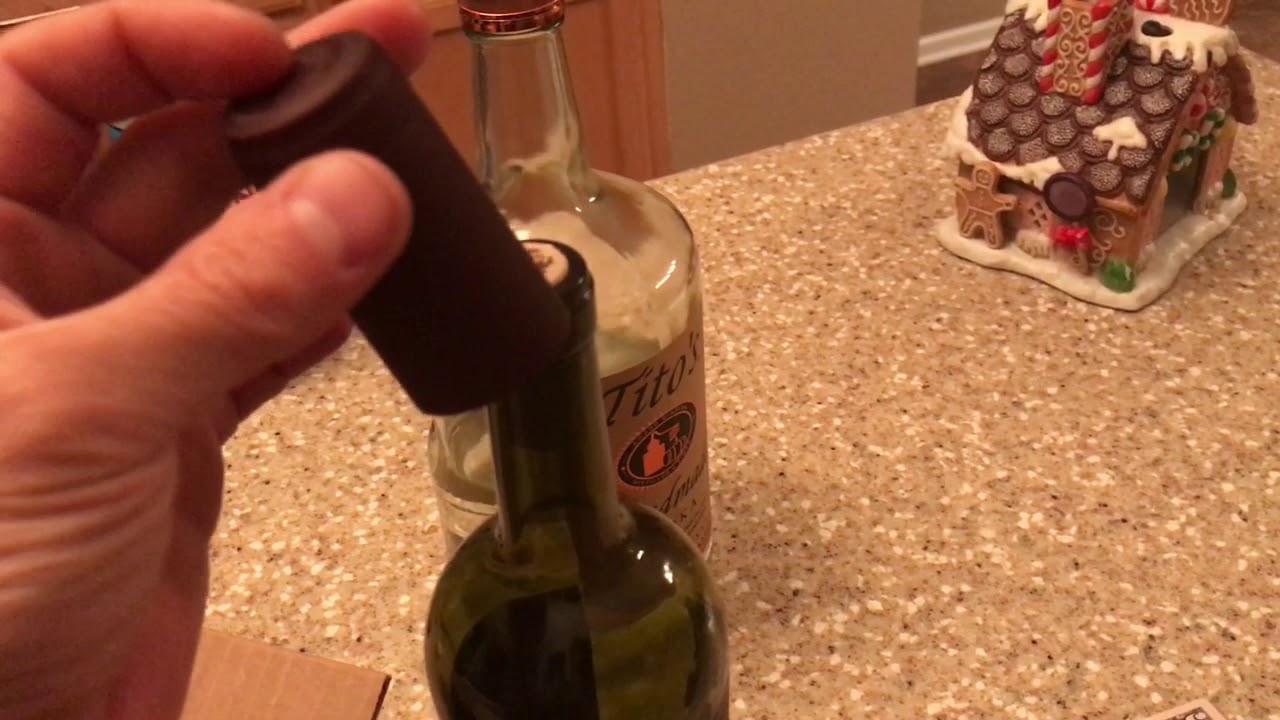
Understanding the Importance of Sealing a Wine Bottle
Sealing a wine bottle is a crucial step in preserving the quality and flavor of the wine inside. Proper sealing prevents oxygen from entering the bottle, which can lead to oxidation and spoilage. This is particularly important for wines that are intended to be aged, as exposure to air can significantly alter their taste profile. By ensuring a tight seal, wine enthusiasts can maintain the intended character of the wine, allowing it to develop gracefully over time.
There are several methods for sealing wine bottles:
- Corking: The traditional method, using natural or synthetic corks, allows for a small amount of oxygen exchange, which can be beneficial for aging.
- Screw Caps: A modern alternative that provides an airtight seal, preventing oxidation and preserving freshness.
- Glass Stoppers: These can offer both aesthetic appeal and effective sealing, often used for premium wines.
Each sealing method has its own advantages and can affect the wines longevity and taste. For example, corks are favored for their ability to breathe, but they can also be susceptible to cork taint. On the other hand, screw caps eliminate the risk of cork taint entirely and offer a reliable seal that is less prone to failure. Understanding these options can help wine lovers make informed choices about how to store and enjoy their wines.
In addition to preserving the wines quality, proper sealing also plays a role in preventing contamination. A well-sealed bottle protects the wine from exposure to dust, insects, and other environmental factors that could compromise its integrity. For collectors and casual drinkers alike, ensuring that wine bottles are sealed correctly is essential for safeguarding the investment and enhancing the overall drinking experience.
Step-by-Step Guide: How to Seal a Wine Bottle Properly
Sealing a wine bottle properly is crucial for preserving the quality and flavor of the wine. Whether you’re storing an unfinished bottle or preparing wine for gifting, following the right steps can make all the difference. Here’s a detailed guide on how to seal a wine bottle effectively.
Step 1: Gather Your Materials
Before you begin the sealing process, ensure you have the necessary materials on hand. You will need:
- A clean wine bottle
- A cork or wine stopper
- A corking tool (if using corks)
- A clean cloth
Step 2: Clean the Bottle and Cork
Start by cleaning the wine bottle to remove any dust or residue. Use a clean cloth to wipe the inside and outside of the bottle. If youre using a cork, make sure it is also clean and free of any mold or debris. This step is essential to prevent contamination and ensure the wine remains fresh.
Step 3: Insert the Cork or Stopper
For corks, position the corking tool over the neck of the bottle. Gently push the cork into the bottle, ensuring it fits snugly but not too tightly. If using a wine stopper, simply press it down into the neck of the bottle until it is secure. A proper seal will help maintain the wines integrity and prevent oxidation.
Step 4: Store the Bottle Correctly
After sealing the bottle, it’s important to store it properly. Keep the bottle upright if it’s sealed with a stopper, but store cork-sealed bottles on their sides to keep the cork moist. This practice helps prevent the cork from drying out and allows for better preservation of the wine’s flavor and aroma.
Common Methods for Sealing Wine Bottles: Pros and Cons
When it comes to sealing wine bottles, there are several common methods, each with its own set of advantages and disadvantages. Understanding these can help wine enthusiasts and producers choose the right option for their needs.
Cork Sealing
Cork is one of the most traditional methods for sealing wine bottles. Pros: Cork allows for a small amount of oxygen exchange, which can enhance the aging process of the wine. It also provides a classic aesthetic appeal and is biodegradable. Cons: However, cork is susceptible to spoilage due to TCA contamination, commonly known as "cork taint," which can spoil the wines flavor.
Screw Caps
Screw caps have gained popularity, especially among modern winemakers. Pros: They offer a tight seal that prevents oxidation and eliminates the risk of cork taint. Additionally, screw caps are easy to open and reseal, making them user-friendly. Cons: Some wine purists argue that screw caps may not allow for the same aging benefits as cork, potentially limiting the wines development over time.
Glass Stoppers
Glass stoppers, often used in premium wines, provide a unique sealing method. Pros: They are aesthetically pleasing and create an airtight seal that helps preserve the wine’s freshness. Glass is also inert, meaning it won’t affect the wine’s taste. Cons: The primary drawback is that glass stoppers can be more expensive to produce and may not be as easy to handle as other sealing methods.
Plastic Corks
Plastic corks are an alternative to traditional corks and screw caps. Pros: They are less expensive and eliminate the risk of cork taint. They also provide a consistent seal and are lightweight. Cons: However, plastic corks can sometimes allow for more oxygen than desired, which may negatively affect the wines aging potential. Additionally, they are not biodegradable, raising environmental concerns.
Tips and Tricks for Ensuring a Tight Seal on Your Wine Bottle
When it comes to preserving the quality and flavor of your wine, ensuring a tight seal on your wine bottle is crucial. A proper seal prevents oxidation and keeps your wine fresh for longer. Here are some effective tips and tricks to help you achieve that perfect seal every time.
Choose the Right Closure
The type of closure you use can significantly impact the seal of your wine bottle. Here are some options to consider:
- Cork Stoppers: Natural corks allow for slight air exchange, which can be beneficial for aging certain wines. Ensure they are of high quality and free from defects.
- Synthetic Corks: These provide a consistent seal and are less prone to spoilage. They are ideal for wines meant to be consumed young.
- Crown Caps: Commonly used for sparkling wines and beers, crown caps create a very tight seal, preventing any air from entering the bottle.
Proper Bottling Technique
Using the right bottling technique can make a significant difference in achieving a tight seal. Here are some steps to follow:
- Clean the Bottle: Ensure the rim of the bottle is clean and free from any residue. Use a clean cloth to wipe it down before sealing.
- Temperature Control: Bottle your wine at the right temperature. Warm wine can expand and create a loose seal, while cold wine can contract, leading to a tighter seal.
- Insert the Closure Firmly: Whether using cork or synthetic stoppers, make sure to insert them firmly and straight to ensure a snug fit.
Storage Considerations
The way you store your wine bottles can also influence the effectiveness of the seal. Consider the following storage tips:
- Horizontal Position: Store wine bottles horizontally to keep the cork moist, preventing it from drying out and allowing air to enter.
- Stable Environment: Keep your wine in a cool, dark place with a consistent temperature to minimize fluctuations that can affect the seal.
- Avoid Direct Sunlight: Exposure to sunlight can degrade the cork and the wine itself, compromising the seal and overall quality.
By following these tips and tricks, you can ensure a tight seal on your wine bottles, helping to preserve the wines integrity and enhance your overall wine experience.
Frequently Asked Questions About Sealing Wine Bottles
When it comes to sealing wine bottles, many enthusiasts and casual drinkers alike have questions about the best practices and techniques. Understanding how to properly seal a wine bottle is crucial for maintaining the wines quality and flavor over time. Below are some of the most frequently asked questions regarding this important aspect of wine storage.
What is the best method for sealing wine bottles?
There are several methods for sealing wine bottles, each with its own advantages. The most common methods include:
- Corking: Natural corks are popular for their ability to allow slight oxygen exchange, which can enhance the aging process.
- Screw caps: These provide an airtight seal, preventing oxidation and maintaining freshness, making them ideal for wines intended for early consumption.
- Glass stoppers: Often used for premium wines, glass stoppers can offer a visually appealing seal while also preventing contamination.
How do I know if a wine bottle is properly sealed?
A properly sealed wine bottle should exhibit certain characteristics. Here are some signs to look for:
- No leakage: Check for any signs of wine leaking from the seal, which could indicate a compromised closure.
- Consistent pressure: A good seal should maintain consistent pressure, which can be assessed by gently pressing the cork or stopper.
- Absence of cork taint: If you notice a musty odor upon opening, it may indicate that the seal was not effective, allowing contaminants to enter.
Can I reuse corks or bottle seals?
Reusing corks or seals is generally not recommended. Over time, corks can absorb wine and develop bacteria that may spoil future bottles. If you do choose to reuse a cork, ensure it is clean and free from any signs of mold or damage. For better results, consider investing in new corks or closures designed specifically for sealing wine bottles.
See all our content in the Sitemaps or in our Vip Cheers Webmaps!
You read complete How to Seal a Wine Bottle: Tips for Perfect Preservation See more about liqueurs here Wine.
Leave a Reply