
How to Put Cork Back in Wine Bottle: Easy Step-by-Step Guide
Understanding the Importance of Properly Sealing Your Wine Bottle
When it comes to preserving the quality and flavor of your wine, properly sealing your wine bottle is paramount. The seal on a wine bottle serves as a barrier against external elements that can negatively impact the wines characteristics. An inadequate seal can lead to oxidation, spoilage, and ultimately, a disappointing tasting experience. Understanding the significance of a well-sealed bottle can enhance your wine enjoyment and longevity.
Oxidation is one of the primary concerns when sealing a wine bottle. When air enters the bottle, it reacts with the wine, altering its taste and aroma. This can result in a flat or vinegary flavor that is far from the intended profile. To prevent oxidation, it is crucial to use high-quality corks or synthetic closures that fit snugly. A well-sealed bottle can maintain the wines integrity for months or even years, depending on the variety.
Another critical factor is the prevention of contamination. A properly sealed bottle minimizes the risk of unwanted microorganisms entering the wine. Contaminants can lead to off-flavors or spoilage, ruining the entire bottle. Using an airtight closure ensures that the wine remains pure and untainted, allowing the true flavors to shine through.
Additionally, a good seal can help maintain the wines temperature stability. Wine is sensitive to temperature fluctuations, and a well-sealed bottle helps insulate the wine from external temperature changes. This is especially important for wines that require specific storage conditions. By ensuring your wine bottles are sealed correctly, you can protect your investment and enjoy each pour as intended.
Step-by-Step Guide: How to Put Cork Back in Wine Bottle
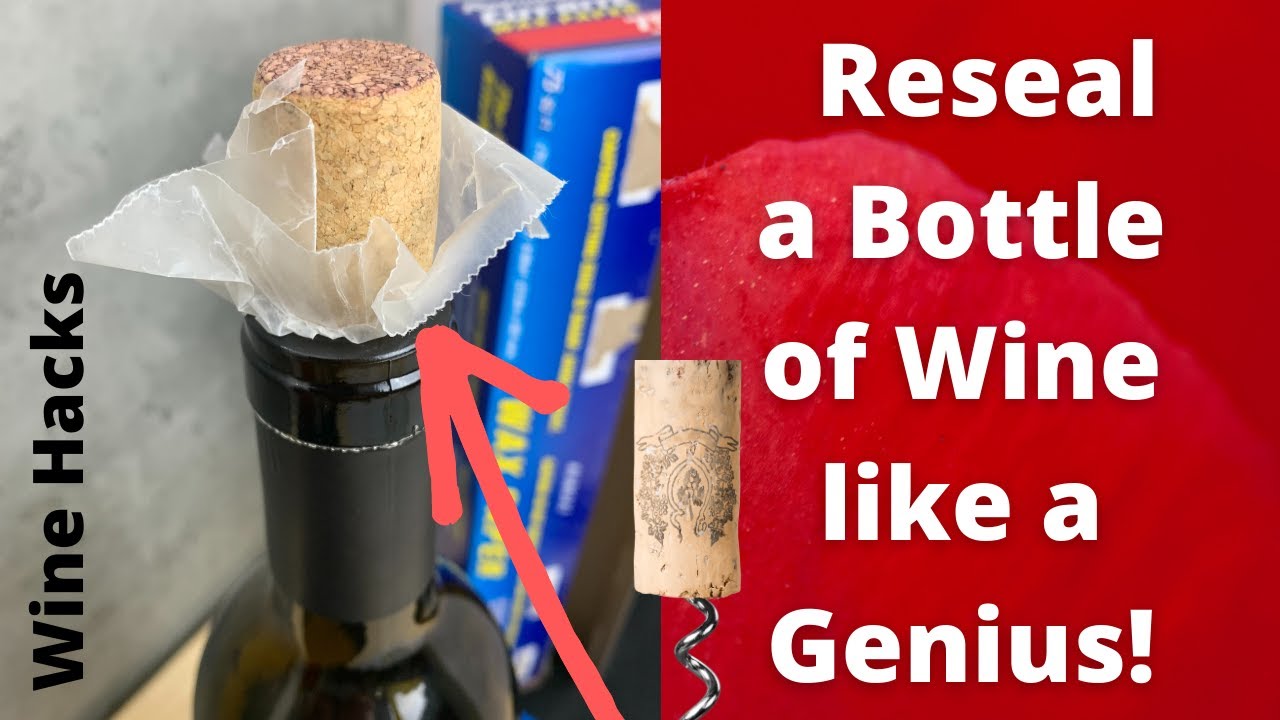
If youve accidentally removed the cork from a wine bottle and need to reseal it, follow this simple step-by-step guide to preserve the wines quality. Resealing a wine bottle correctly is crucial to prevent oxidation and maintain its flavor profile. Here’s how you can do it effectively.
Step 1: Gather Your Materials
Before you start, ensure you have the following materials on hand:
- The original cork (if available)
- A clean cloth or paper towel
- Wine bottle that needs resealing
- A corkscrew (optional, for stubborn corks)
Step 2: Clean the Cork
If the cork has been out for a while or has any residue, it’s essential to clean it. Use a clean cloth or paper towel to wipe off any dirt or moisture. This step helps prevent contaminants from entering the wine. If the cork is damaged or crumbled, consider using a new cork instead, as this will better preserve the wine.
Step 3: Reseal the Bottle
Once your cork is clean and ready, align it with the bottles neck. If it’s a snug fit, gently twist the cork as you push it down into the bottle. If you encounter resistance, you can use a corkscrew to gently pull it back up and then push it down again. Ensure the cork is inserted evenly to create a proper seal.
Step 4: Store the Bottle Properly
After resealing, store the wine bottle in an upright position to minimize leakage. Keeping the bottle in a cool, dark place will help maintain the wines integrity. Remember that resealed wine may not last as long as unopened bottles, so its best to consume it within a few days for optimal taste.
Common Mistakes to Avoid When Re-Corking Wine Bottles
Re-corking wine bottles is a delicate process that requires attention to detail. One of the most common mistakes is using the wrong type of cork. Natural cork is preferable for re-corking, as it allows the wine to breathe. Avoid using synthetic corks for re-corking older wines, as they can alter the wines flavor and aging process. Additionally, ensure that the cork is clean and free from any contaminants before inserting it back into the bottle.
Another frequent error is not properly sealing the bottle after re-corking. Leaving gaps can lead to oxidation, which negatively affects the wines taste. To prevent this, ensure that the cork is inserted snugly and that the bottle is stored upright for a short period to allow the cork to expand and create a proper seal. If you’re dealing with an older cork, consider using wax or paraffin to seal the top of the bottle, which can help prevent air from entering.
Temperature fluctuations can also be a significant factor when re-corking wine bottles. Many people make the mistake of re-corking wine in a warm environment. Always ensure that the wine is at a stable, cool temperature before re-corking. This helps maintain the integrity of the wine and prevents any thermal shock that could compromise its quality.
Finally, neglecting to label the bottle after re-corking is another common oversight. It’s essential to document the date of re-corking and any pertinent information about the wine, such as the type and vintage. This practice not only helps you track the wines age but also ensures you can enjoy it at its best. Use a permanent marker or a label maker to create a clear and legible label that can withstand time and storage conditions.
Alternative Methods for Sealing Wine Without a Cork
When it comes to preserving the quality of your wine after opening, there are several effective alternatives to traditional corks. These methods not only help to maintain the wines flavor and aroma but also offer convenience and versatility for wine enthusiasts. Below are some popular options for sealing wine without a cork.
1. Wine Stoppers
Wine stoppers are a widely used alternative for sealing opened bottles. They come in various materials, including silicone and stainless steel, and are designed to create an airtight seal. Many wine stoppers are reusable and easy to clean, making them a sustainable choice. Some even feature vacuum-sealing capabilities that remove air from the bottle, further extending the wines freshness.
2. Vacuum Pumps
Using a vacuum pump is another effective method for sealing wine. This device works by removing air from the bottle after it has been opened, significantly slowing down the oxidation process. Vacuum pumps typically come with rubber stoppers that fit snugly in the bottle neck, ensuring that no air can re-enter. This method is particularly beneficial for preserving wines with delicate flavors.
3. Wine Preserver Spray
Wine preserver sprays utilize inert gases, such as argon or nitrogen, to displace oxygen in the bottle. By spraying a layer of gas on top of the wine before sealing it with a stopper, you can effectively minimize oxidation. This method is simple and can be a great option for those who want to enjoy a glass without worrying about the remaining wine going bad.
4. Reusable Corks
For those who prefer a more traditional approach without the hassle of a cork, reusable corks are available. These cork-like stoppers can be inserted into the bottle and removed easily, making them user-friendly. They often provide a snug fit and can help to keep the wine fresh for several days after opening.
Tips for Maintaining Wine Quality After Re-Corking
When it comes to preserving the quality of your wine after re-corking, there are several important practices to follow. Proper storage conditions play a crucial role in maintaining the integrity of your wine. Store your re-corked wine bottles upright in a cool, dark place, away from direct sunlight and temperature fluctuations. Ideal storage temperatures typically range from 50°F to 55°F (10°C to 13°C). Avoid areas like kitchens or near heat sources, as excessive warmth can accelerate the aging process and spoil the wine.
Another key aspect of maintaining wine quality is to minimize exposure to oxygen. After re-corking, try to consume the wine within a few days to a week, depending on the type of wine. If you’re planning to store it longer, consider using a wine preservation system that removes air from the bottle. Additionally, utilizing inert gas wine preservers can help displace oxygen and extend the life of your opened bottle, ensuring that your wine remains fresh and flavorful.
It’s also important to pay attention to the cork itself. If the original cork was damaged during the opening process, it may not create a proper seal when re-corked. In such cases, consider using a wine stopper designed for preserving wine. These stoppers can provide a better seal than a damaged cork, reducing the risk of oxidation and maintaining the wines character.
Lastly, keep track of the wines vintage and type. Some wines are more resilient than others, with certain varietals having a longer shelf life after opening. For instance, robust reds may last longer than delicate whites or sparkling wines. Understanding the characteristics of your wine will help you make informed decisions about how long to keep it after re-corking, ensuring you enjoy it at its best.
See all our content in the Sitemaps or in our Vip Cheers Webmaps!
You read complete How to Put Cork Back in Wine Bottle: Easy Step-by-Step Guide See more about liqueurs here Wine.
Leave a Reply