
How to Open a Wine Bottle Cork: Easy Steps & Tips
Understanding the Different Types of Wine Corks
When it comes to wine preservation and presentation, the type of cork used can significantly influence the wines aging process and overall quality. There are several types of wine corks, each with its unique characteristics and benefits. Understanding these different types can help wine enthusiasts make informed choices, whether they are purchasing a bottle or considering storage options.
Natural Corks
Natural corks are made from the bark of the cork oak tree, primarily found in Mediterranean regions. They are favored for their ability to allow a small amount of oxygen to interact with the wine, which is essential for the aging process. However, natural corks can sometimes be prone to cork taint, which is caused by a compound called TCA (2,4,6-trichloroanisole). Despite this risk, many winemakers prefer natural corks for their traditional appeal and the natural aesthetic they provide.
Composite Corks
Composite corks are created by combining pieces of natural cork with synthetic materials or agglomerated cork. This type of cork aims to mitigate the risk of cork taint while still providing some of the benefits of natural cork. Composite corks are often used for lower-priced wines and can offer a consistent seal. They are less likely to break during opening, making them a practical choice for casual wine drinkers.
Synthetic Corks
Synthetic corks are made from materials such as plastic or rubber and are designed to mimic the properties of natural cork without the associated risks. These corks are completely impermeable, ensuring that no oxygen enters the bottle, which can be advantageous for wines meant to be consumed young. However, some wine connoisseurs argue that synthetic corks do not allow for the same aging potential as natural corks. Despite this, synthetic corks have gained popularity for their uniformity and reliability.
Glass and Screw Caps
While not traditional corks, glass stoppers and screw caps are increasingly being used in the wine industry. Glass stoppers provide a complete seal and are aesthetically pleasing, but they can be more expensive. Screw caps, on the other hand, offer convenience and a tight seal, eliminating the risk of cork taint entirely. Many winemakers are embracing screw caps for white wines and other varieties intended for early consumption, recognizing their practicality and effectiveness in preserving wine quality.
Essential Tools for Opening a Wine Bottle Cork
When it comes to enjoying a bottle of wine, having the right tools to open it can make all the difference. Whether youre a casual wine drinker or a connoisseur, investing in quality corkscrews and accessories will enhance your wine experience. Below are some essential tools that every wine lover should consider for effortlessly opening a wine bottle cork.
Corkscrew Types
There are several types of corkscrews available, each designed for specific needs and preferences. Here are the most popular types:
- Waiters Corkscrew: Compact and versatile, this classic tool features a foil cutter, a spiral worm, and a lever. It’s perfect for both home and professional use.
- Winged Corkscrew: This type has two wings that lift as you twist the handle, making it easier to remove the cork. It’s ideal for beginners.
- Electric Corkscrew: For those who prefer a hands-off approach, electric corkscrews can remove corks with the push of a button, making them a great choice for larger gatherings.
- Ah-So Corkscrew: This unique tool features two prongs that slide between the cork and the bottle neck, making it perfect for older bottles with fragile corks.
Additional Accessories
In addition to a corkscrew, there are several accessories that can enhance your wine-opening experience:
- Foil Cutter: A foil cutter helps remove the capsule covering the cork cleanly and efficiently, ensuring that you can access the cork without any hassle.
- Wine Pourer: Once the cork is out, a wine pourer can help you serve the wine smoothly, minimizing spills and enhancing the aeration process.
- Cork Remover: For those stubborn corks, a cork remover can provide additional leverage and support, making it easier to extract the cork without breaking it.
Having the right tools at your disposal not only makes opening a wine bottle easier but also adds to the overall enjoyment of the experience. Each tool has its own advantages, so choosing the right one depends on your personal preferences and the type of wine you typically enjoy. Whether youre hosting a dinner party or simply unwinding after a long day, being equipped with these essential tools will ensure you can open your favorite bottle of wine with ease.
Step-by-Step Guide: How to Open a Corked Wine Bottle
Opening a corked wine bottle can be a simple task if you follow the right steps. Whether youre a wine enthusiast or just enjoying a bottle at dinner, knowing how to properly open it can enhance your experience. Here’s a detailed guide to help you navigate the process smoothly.
Step 1: Gather Your Tools
Before you begin, make sure you have the following tools at hand:
- Corkscrew - A traditional waiters corkscrew or a winged corkscrew works best.
- Napkin or towel - To hold the bottle securely and catch any spills.
- Wine bottle - The star of the show!
Step 2: Prepare the Bottle
Start by removing any foil or wax that may be covering the cork. Use a foil cutter or a knife to carefully cut around the neck of the bottle. Once the foil is removed, wipe the top of the bottle with a napkin to ensure it’s clean. This prevents any debris from falling into the wine when you open it.
Step 3: Insert the Corkscrew
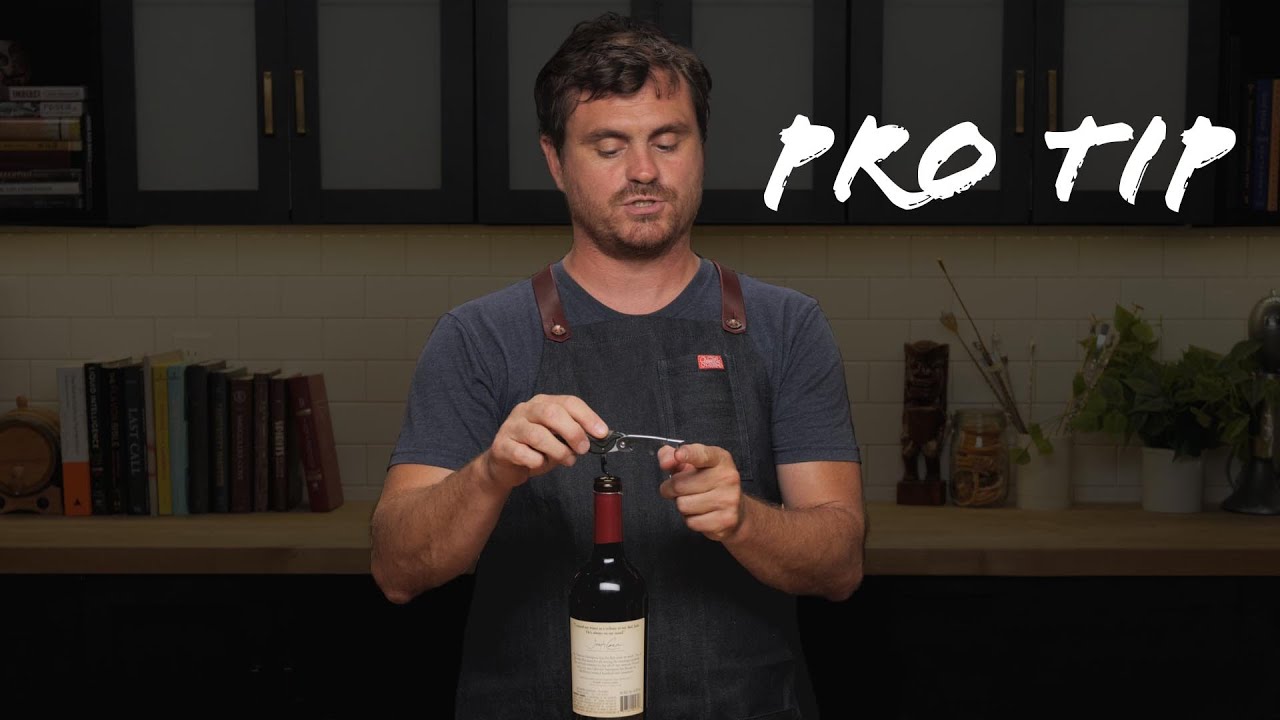
Position the corkscrew at the center of the cork and gently twist it into the cork. If you’re using a waiters corkscrew, place the lever against the lip of the bottle and pull the handle down to lift the cork. For a winged corkscrew, keep twisting until the wings rise completely.
Step 4: Remove the Cork
Once the cork is adequately twisted, slowly pull it out by applying consistent pressure. If the cork is stubborn, you can gently wiggle the corkscrew while pulling to ease it out. Be cautious to avoid breaking the cork, which can leave pieces in your wine. After the cork is removed, you can enjoy your wine straight from the bottle or pour it into your glass!
Common Mistakes to Avoid When Opening a Wine Cork
Opening a wine bottle may seem straightforward, but there are several common mistakes that can lead to an unpleasant experience or even spoil the wine. Being aware of these pitfalls can help ensure that you enjoy your wine at its best. Here are some key mistakes to avoid:
Using the Wrong Corkscrew
One of the most frequent errors is using the wrong type of corkscrew. There are various styles available, including winged, waiter’s, and electric corkscrews. Each type has its own method of operation, and using one incorrectly can result in a broken cork or, worse, cork pieces floating in your wine. Always choose a corkscrew that matches the type of cork you are dealing with, whether it’s a natural cork or a synthetic one.
Forgetting to Chill Your Wine
Another common mistake is not considering the ideal serving temperature for your wine. Red wines are typically served at room temperature, while whites and rosés are best enjoyed chilled. Opening a wine that’s too warm can alter its flavor profile, making it less enjoyable. Ensure you chill white and sparkling wines in the refrigerator for a few hours before serving to enhance their taste and aroma.
Not Removing the Foil Properly
Many people neglect to remove the foil capsule completely before opening a bottle. This can lead to a messy situation where the foil gets caught in the corkscrew or falls into the wine. To avoid this, use a foil cutter or a knife to cleanly cut the foil just below the lip of the bottle. This not only keeps your wine clean but also allows for a more elegant presentation.
Applying Too Much Force
Finally, applying excessive force when removing the cork is a common mistake that can damage both the cork and the bottle. If you encounter resistance, it’s better to stop and reassess your technique rather than forcing the cork out. A gentle, steady pull is often all that’s needed to extract the cork without any mishaps. Remember, patience is key when opening a bottle of wine.
Alternative Methods for Opening a Wine Bottle Without a Corkscrew
When you find yourself without a corkscrew, fear not! There are several creative and effective methods to open a wine bottle without the traditional tool. Here, we explore some alternative techniques that can save the day and allow you to enjoy your favorite bottle of wine.
1. The Shoe Method
One of the most popular alternatives involves using a shoe. Heres how to do it:
- Place the wine bottle inside a sturdy shoe, ensuring the bottom of the bottle is snugly fit into the heel.
- Hold the shoe against a wall or any solid surface.
- Gently tap the shoe against the wall. The force will gradually push the cork out of the bottle.
- Be cautious not to hit too hard, as you dont want to break the bottle.
2. The Hot Water Method
Another effective technique is the hot water method. This works by using heat to expand the glass and help push the cork out. Follow these steps:
- Boil water and pour it into a large bowl or pot.
- Submerge the neck of the wine bottle in the hot water for a few minutes.
- The heat will cause the glass to expand, and the cork should loosen enough to be removed by hand or with a gentle twist.
3. The Key Method
If youre in a pinch, a sturdy key can come to the rescue. This method requires a bit of finesse:
- Insert the key into the cork at a slight angle.
- Twist the key gently while pulling upwards, leveraging the cork out of the bottle.
- Continue twisting and pulling until the cork is sufficiently out to grab it with your fingers.
These methods demonstrate that with a little ingenuity, enjoying your wine doesnt have to be complicated, even without a corkscrew. Whether you use a shoe, heat, or a key, youll find that opening a wine bottle can be both a fun and rewarding experience.
See all our content in the Sitemaps or in our Vip Cheers Webmaps!
You read complete How to Open a Wine Bottle Cork: Easy Steps & Tips See more about liqueurs here Wine.
Leave a Reply