
How to Measure Alcohol Content in Wine: A Complete Guide
- Understanding Alcohol Content in Wine: Why It Matters
- Methods for Measuring Alcohol Content in Wine: A Comprehensive Guide
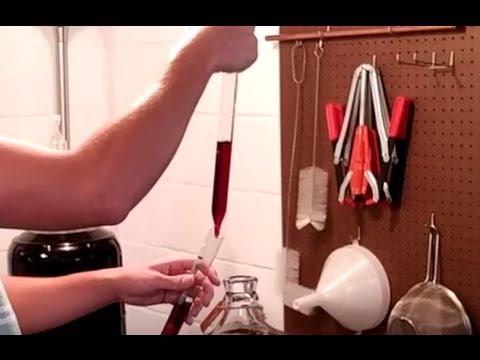
- Using a Hydrometer: Step-by-Step Instructions for Accurate Measurements
- Calculating Alcohol by Volume (ABV) in Homemade Wine
- Common Mistakes to Avoid When Measuring Wine Alcohol Content
Understanding Alcohol Content in Wine: Why It Matters
Understanding the alcohol content in wine is crucial for both casual drinkers and connoisseurs alike. Alcohol by volume (ABV) is typically expressed as a percentage, indicating how much alcohol is present in a given volume of wine. This measurement not only affects the taste and body of the wine but also plays a significant role in the overall drinking experience. Wines with higher ABV tend to have a richer flavor profile, while those with lower ABV often offer a lighter, more refreshing taste.
Why is alcohol content important? The alcohol content in wine influences several factors, including:
- Taste and Aroma: Higher alcohol levels can enhance the perception of sweetness and body, while lower levels may allow for more delicate flavors to shine through.
- Food Pairing: The alcohol content can affect how well a wine pairs with food. Full-bodied wines with higher ABV may complement richer dishes, while lighter wines are often better suited for seafood or salads.
- Drinking Experience: Understanding the ABV can help consumers gauge their consumption, ensuring a more enjoyable and responsible drinking experience.
Another reason why alcohol content matters is its effect on the wines aging potential. Generally, wines with higher alcohol content can withstand aging better, as the alcohol acts as a preservative. This is particularly relevant for collectors and enthusiasts looking to invest in wines that will develop complex flavors over time. Additionally, the alcohol level can influence how a wine is perceived in terms of quality and style, often dictating consumer preferences and market trends.
Ultimately, being aware of the alcohol content in wine allows for informed choices that enhance enjoyment and appreciation. Whether you’re selecting a bottle for a special occasion or simply exploring new varieties, understanding the ABV will enable you to make choices that align with your palate and preferences.
Methods for Measuring Alcohol Content in Wine: A Comprehensive Guide
Measuring the alcohol content in wine is essential for winemakers and consumers alike, as it provides insight into the wines strength and overall quality. There are several reliable methods for determining alcohol content, each with its own advantages and limitations. Below, we explore the most common techniques used in the industry.
1. Hydrometry
One of the most traditional methods for measuring alcohol content in wine is hydrometry, which involves the use of a hydrometer. This instrument measures the specific gravity of the wine before and after fermentation. The specific gravity indicates the density of the liquid, allowing winemakers to calculate the potential alcohol content. The process typically involves:
- Measuring the specific gravity of the must (unfermented grape juice).
- Measuring the specific gravity after fermentation.
- Using the difference in specific gravity to estimate the alcohol by volume (ABV).
This method is relatively straightforward but can be affected by other dissolved substances in the wine, which may skew the results.
2. Refractometry
Refractometers offer another effective means of measuring alcohol content. This method relies on the refraction of light through the wine sample, which changes based on the sugar content. To determine the alcohol content, winemakers typically follow these steps:
- Measure the refractive index of the must before fermentation.
- Measure the refractive index of the finished wine.
- Use a conversion formula to estimate the ABV based on the changes in sugar content.
Refractometers are highly precise and can deliver quick results, but they require adjustments for the presence of alcohol, as it can influence the readings.
3. Distillation
For a more accurate measurement, the distillation method can be employed. This technique involves distilling a known volume of wine to separate the alcohol from other components. The distilled liquid is then measured for alcohol content. The steps include:
- Distilling a measured sample of wine to separate the ethanol.
- Collecting the distillate and measuring its specific gravity or using an alcohol meter.
- Calculating the ABV based on the volume of the original sample and the measured alcohol content of the distillate.
While distillation is more labor-intensive and requires specialized equipment, it is often regarded as one of the most accurate methods for determining alcohol content in wine.
Each of these methods has its place in the winemaking process, allowing producers to ensure that their wines meet desired specifications and regulations.
Using a Hydrometer: Step-by-Step Instructions for Accurate Measurements
Using a hydrometer is essential for anyone looking to measure the specific gravity of liquids, particularly in brewing, winemaking, or any other liquid measurement applications. This simple yet effective tool can help you determine the sugar content of your liquid, which is crucial for understanding fermentation processes. Here’s a step-by-step guide to using a hydrometer accurately.
Step 1: Gather Your Materials
To get started, you will need the following materials:
- Hydrometer: Ensure it is appropriate for the liquid you are measuring.
- Test Jar: A clear, straight-sided container to hold your liquid.
- Liquid Sample: The liquid you want to measure, such as wort, must, or other solutions.
- Thermometer: To check the temperature of your liquid, as temperature affects density.
Step 2: Prepare the Sample
Begin by filling the test jar with your liquid sample. Make sure to fill it enough to allow the hydrometer to float freely without touching the bottom. It’s important to avoid bubbles on the hydrometer’s surface, as they can lead to inaccurate readings. If bubbles form, gently tap the side of the jar to release them.
Step 3: Taking the Measurement
Once your sample is ready, gently lower the hydrometer into the liquid. Allow it to settle until it floats steadily. Take note of where the surface of the liquid intersects the scale on the hydrometer. This point is known as the meniscus. For the most accurate reading, ensure you are at eye level with the meniscus and read the measurement at the bottom of the curve.
Step 4: Adjust for Temperature
Lastly, it’s crucial to consider the temperature of your liquid. Hydrometers are calibrated to give accurate readings at a specific temperature, often 60°F (15.6°C). Use a thermometer to measure the liquid’s temperature, and if necessary, refer to a temperature correction chart to adjust your reading accordingly. This ensures that you are getting the most accurate specific gravity measurement possible.
Calculating Alcohol by Volume (ABV) in Homemade Wine
Calculating the Alcohol by Volume (ABV) in homemade wine is essential for both winemakers and consumers, as it provides insight into the wines strength and flavor profile. ABV is expressed as a percentage, indicating how much of the total liquid volume is alcohol. Understanding how to accurately measure ABV not only enhances your wine-making skills but also ensures compliance with local regulations regarding alcohol content.
To calculate the ABV of your homemade wine, you will need to take initial and final gravity readings using a hydrometer. The initial gravity (OG) measures the specific gravity of the must before fermentation begins, while the final gravity (FG) measures the specific gravity once fermentation is complete. The formula to determine ABV is as follows:
ABV (%) = (OG - FG) x 131.25
For example, if your initial gravity is 1.090 and your final gravity is 1.010, the calculation would be:
- ABV (%) = (1.090 - 1.010) x 131.25
- ABV (%) = 0.080 x 131.25
- ABV (%) = 10.5%
This calculation reveals that your homemade wine has an ABV of 10.5%. Its important to note that accuracy in your gravity readings is crucial, as even small discrepancies can lead to significant differences in the final ABV percentage. Always ensure that your hydrometer is calibrated correctly and that you take readings at the appropriate temperature, typically around 60°F (15.6°C) for best results.
Additionally, its beneficial to keep track of the fermentation process, as various factors can influence the final alcohol content. Yeast strain, fermentation temperature, and sugar content all play vital roles in determining the final ABV. By understanding these variables and accurately calculating ABV, you can create wines that meet your desired flavor and strength profiles, enhancing your overall wine-making experience.
Common Mistakes to Avoid When Measuring Wine Alcohol Content
When it comes to measuring wine alcohol content, precision is key. However, many enthusiasts and even some professionals make common mistakes that can lead to inaccurate readings. Understanding these pitfalls is essential for anyone looking to produce or enjoy wine with confidence in its alcohol levels.
Neglecting Temperature Considerations
One significant error is failing to account for the temperature of the wine when measuring alcohol content. Alcohol density changes with temperature, and if your wine is not at the standard calibration temperature (usually 20°C or 68°F), it can skew your results. Always ensure your wine sample is at the correct temperature before taking measurements to achieve the most accurate alcohol content.
Using Improper Equipment
Another common mistake is using inappropriate or poorly calibrated equipment. Many home winemakers rely on hydrometers or refractometers, but if these tools are not calibrated correctly, the readings can be misleading. Investing in high-quality measuring tools and regularly checking their accuracy can prevent these errors. Additionally, ensure that you are using the right type of tool for your specific measurement needs.
Ignoring the Importance of Dilution
Some individuals overlook the need for proper dilution when measuring alcohol content, especially when using a refractometer. Wine can have a complex sugar content that affects the readings, and neglecting to dilute the sample can lead to inflated alcohol content estimates. Always follow the recommended dilution ratios for the measuring method you are using to ensure a reliable assessment of your wines alcohol level.
See all our content in the Sitemaps or in our Vip Cheers Webmaps!
You read complete How to Measure Alcohol Content in Wine: A Complete Guide See more about liqueurs here Wine.
Leave a Reply