
How to Make Wine the Old Fashioned Way: A Step-by-Step Guide
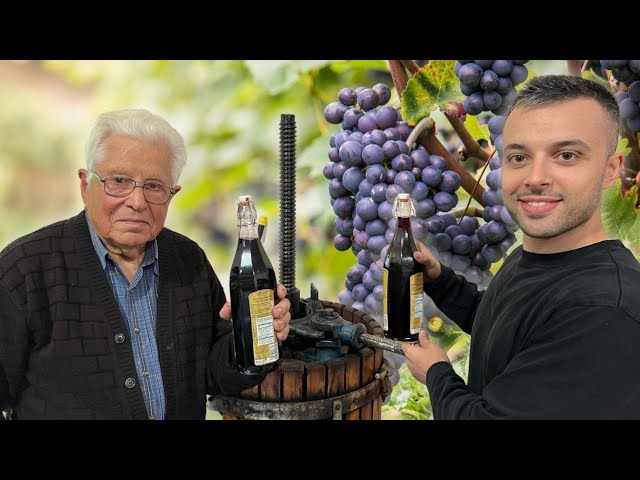
Understanding the Ancient Techniques of Winemaking
The art of winemaking, or vinification, has roots that trace back thousands of years, with techniques that have been passed down through generations. Ancient civilizations, such as the Egyptians, Greeks, and Romans, developed unique methods that not only influenced their cultures but also laid the foundation for modern winemaking practices. Understanding these ancient techniques offers a glimpse into the traditions that shaped the wine industry as we know it today.
Fermentation and Storage
At the heart of winemaking is fermentation, a process that converts sugars in the grape juice into alcohol. Ancient winemakers often used clay amphorae or wooden barrels for fermentation and storage. The choice of vessel significantly impacted the flavor profile of the wine. For example, clay amphorae allowed for a natural fermentation process, while wooden barrels imparted distinct characteristics from the wood itself. Many ancient winemakers also utilized natural yeasts found in the environment, leading to unique and diverse flavor outcomes.
Harvesting Techniques
Harvesting grapes was an art form in itself, with ancient techniques emphasizing the timing and method of picking. Ancient vintners would often harvest grapes by hand, ensuring only the ripest and healthiest grapes were selected. This meticulous approach was crucial for producing high-quality wines. In some cultures, specific lunar phases were believed to influence the best time for harvesting, showcasing the blend of agricultural practice and spirituality that permeated ancient winemaking.
Flavor Enhancements and Additives
To enhance the flavors of their wines, ancient winemakers often experimented with various additives and flavoring agents. Ingredients such as herbs, spices, and even honey were commonly used to create distinctive blends. The Greeks, for instance, sometimes added resin to their wines, resulting in a unique flavor known as Retsina. These practices not only reflected local resources but also demonstrated the creativity and ingenuity of ancient winemakers in crafting wines that appealed to their palates and cultural preferences.
Step-by-Step Guide: How to Make Wine the Old Fashioned Way
Making wine the old-fashioned way is a time-honored tradition that connects us to our ancestors and the natural world. This guide will walk you through the essential steps of traditional winemaking, allowing you to create a unique and flavorful beverage right at home.
1. Gather Your Ingredients
The first step in the winemaking process is to collect the necessary ingredients. You will need:
- Fresh Grapes: Choose high-quality, ripe grapes, ideally from a local vineyard or farmers market.
- Yeast: Opt for a natural wine yeast or wild yeast found on grape skins.
- Sugar: Depending on the sweetness of the grapes, you may need to add sugar to enhance fermentation.
- Water: Ensure that you have clean, filtered water for any necessary dilutions.
2. Crushing the Grapes
Once your ingredients are ready, the next step is to crush the grapes. Traditionally, this is done by foot, allowing the natural juices to flow while keeping the skins intact. If youre not comfortable with this method, you can use a grape crusher or a clean, sanitized tool. The goal is to extract the juice without breaking the seeds, which can impart bitterness.
3. Fermentation Process
After crushing, transfer the grape mixture into a fermentation vessel, such as a glass carboy or food-grade plastic bucket. Add the yeast to kickstart the fermentation process. Cover the vessel with a cloth to allow airflow while preventing contaminants from entering. During fermentation, monitor the temperature and stir the mixture daily. This process typically lasts from a week to several weeks, depending on the desired flavor profile.
4. Racking and Aging
Once fermentation is complete, it’s time to rack the wine. This involves siphoning the wine off the sediment that has settled at the bottom. Transfer the wine into a clean vessel for aging, ideally in a cool, dark place. Aging can take anywhere from a few months to several years, allowing the flavors to develop and mature. Taste periodically to determine when it’s ready for bottling.
Essential Ingredients and Tools for Traditional Winemaking
When embarking on the journey of traditional winemaking, understanding the essential ingredients and tools is crucial for crafting a quality product. The process begins with selecting the right grapes, as they are the foundation of any wine. The choice of grape variety can significantly influence the flavor, aroma, and overall character of the wine. Common grape varieties include Chardonnay, Cabernet Sauvignon, and Merlot, each offering unique profiles that cater to different palates.
In addition to grapes, other essential ingredients play a vital role in the winemaking process. Yeast is one of the most important components, as it is responsible for fermentation, converting the sugars in the grapes into alcohol. Various strains of yeast can impart different flavors and aromas, making it important to select the right one for your desired wine style. Another critical ingredient is sugar, which can be added to adjust sweetness levels, particularly in dessert wines. Additionally, tannins, often derived from grape skins and seeds, contribute to the wines structure and aging potential.
To successfully craft wine, having the right tools is equally important. A fermentation vessel, such as a glass carboy or a food-grade plastic fermenter, is necessary for the fermentation process. Its essential to ensure that these vessels are sanitized to prevent unwanted microbial growth. Other essential tools include a hydrometer for measuring sugar levels, a siphon for transferring wine without disturbing sediment, and bottles with corks or caps for storage. A wine press is also beneficial for extracting juice from the grapes, particularly in red winemaking, where skin contact is crucial.
Finally, proper storage equipment, such as a wine rack or barrel, is necessary for aging the wine. The right environment, including controlled temperature and humidity, is key to achieving the desired maturation and flavor development. With these essential ingredients and tools, aspiring winemakers can embark on their traditional winemaking journey with confidence, ensuring a product that reflects their passion and dedication.
Common Mistakes to Avoid When Making Wine the Old Fashioned Way
Making wine the traditional way can be a rewarding experience, but its easy to fall into common pitfalls that can affect the quality of your final product. Understanding these mistakes is crucial for any aspiring winemaker. Below are some of the most frequent errors and how to avoid them.
Neglecting Sanitation
One of the biggest mistakes in winemaking is failing to properly sanitize equipment. Wine is particularly susceptible to contamination, which can ruin the fermentation process. To avoid this, always ensure that your tools, fermentation vessels, and bottles are thoroughly cleaned and sanitized before use. A simple solution of water and a food-safe sanitizer can go a long way in preventing unwanted bacteria from spoiling your wine.
Overlooking Temperature Control
Temperature plays a critical role in the fermentation process. If the temperature is too high, it can lead to the production of undesirable flavors and aromas. Conversely, if its too low, fermentation can become sluggish or stall altogether. Aim for a stable temperature between 65°F and 75°F (18°C - 24°C) for most wines. Using a thermometer and monitoring the fermentation environment can help you maintain the ideal conditions.
Ignoring the Importance of Timing
Timing is essential in winemaking, particularly when it comes to harvesting grapes and monitoring fermentation. Picking grapes too early or too late can drastically affect the sugar levels and acidity of your wine. Additionally, rushing the fermentation or bottling process can lead to a product that lacks depth and complexity. Be sure to research the optimal harvest time for your grape variety and allow sufficient time for each stage of the winemaking process.
Failing to Taste Throughout the Process
Many novice winemakers make the mistake of not tasting their wine at various stages of production. Tasting allows you to monitor the development of flavors and aromas, ensuring that you can make adjustments as needed. It also helps you learn more about your preferences and the characteristics of the grapes you are using. Regularly sampling your wine can be an enlightening experience and is crucial for achieving the desired final product.
Benefits of Crafting Wine Using Traditional Methods
Crafting wine using traditional methods offers a multitude of benefits that enhance both the quality of the wine and the overall winemaking experience. One of the most significant advantages is the emphasis on natural ingredients and processes. By relying on time-honored techniques such as hand-harvesting and natural fermentation, winemakers can create wines that reflect the true essence of their terroir. This approach often results in wines that are more complex and nuanced, allowing for a richer tasting experience.
Preservation of Authenticity: Traditional winemaking methods prioritize authenticity and individuality. Each bottle of wine becomes a unique expression of its environment, showcasing the specific characteristics of the vineyard, grape variety, and vintage. This authenticity is often lost in mass-produced wines that rely on industrial techniques and additives. By using traditional methods, winemakers can produce wines that are not only distinctive but also resonate with consumers seeking genuine, artisanal products.
Environmental Sustainability: Another key benefit of traditional winemaking is its alignment with sustainable practices. Many traditional methods promote biodiversity and reduce reliance on chemical inputs. Techniques such as organic farming and natural pest control are often employed, leading to healthier vineyards and ecosystems. This sustainable approach not only benefits the environment but also appeals to an increasingly eco-conscious consumer base who values products that are produced with care for the planet.
Enhanced Flavor Profiles: The meticulous nature of traditional winemaking often leads to enhanced flavor profiles in the finished product. Techniques like spontaneous fermentation and the use of indigenous yeasts can create more complex and layered wines. Additionally, the aging process in neutral oak barrels or clay amphorae allows for a gradual integration of flavors, resulting in wines that are not only rich but also well-balanced. Consumers are increasingly drawn to these intricate flavors, which are often a hallmark of wines crafted using traditional methods.
See all our content in the Sitemaps or in our Vip Cheers Webmaps!
You read complete How to Make Wine the Old Fashioned Way: A Step-by-Step Guide See more about liqueurs here Wine.
Leave a Reply