
How to Make Alcoholic Ginger Beer Plant: A Step-by-Step Guide
- Introduction to Alcoholic Ginger Beer Plant
- What is Ginger Beer Plant?
- Essential Ingredients for Making Alcoholic Ginger Beer Plant
- Equipment Needed
- Step-by-Step Guide to Making Alcoholic Ginger Beer Plant
- Tips for Perfecting Your Alcoholic Ginger Beer
- Common Issues and Troubleshooting
- Storing Your Alcoholic Ginger Beer
- Conclusion
Introduction to Alcoholic Ginger Beer Plant
Ginger beer is a fermented beverage that has gained immense popularity due to its unique flavor and refreshing qualities. Unlike traditional ginger ale, alcoholic ginger beer contains a higher level of alcohol, making it a favorite among those who enjoy craft beverages. In this guide, we will explore how to make alcoholic ginger beer plant from scratch, focusing on the essential ingredients, equipment, and the fermentation process.
What is Ginger Beer Plant?
The term "ginger beer plant" (GBP) refers to a symbiotic culture of bacteria and yeast (SCOBY) that is used to ferment sugar and produce alcohol and carbon dioxide. The GBP is responsible for the unique taste of ginger beer, which is typically spicy, sweet, and effervescent. It is important to note that the GBP is different from the yeast you might use in baking or brewing.
History of Ginger Beer
Ginger beer has a rich history that dates back to the 19th century. Originally brewed in England, it quickly spread to other parts of the world. Early versions of ginger beer were often made with a combination of ginger, sugar, and water, fermented with wild yeasts. Today, we can create a more controlled environment for fermentation, leading to a more consistent and flavorful product.
Essential Ingredients for Making Alcoholic Ginger Beer Plant
To successfully brew your own alcoholic ginger beer, you will need the following ingredients:
- Fresh Ginger: The main flavoring agent, typically about 100-200 grams.
- Sugar: Around 200-300 grams, depending on desired sweetness and alcohol content.
- Water: Use filtered or bottled water for the best results.
- Ginger Beer Plant (GBP): This can be obtained from brewing supply stores or online.
- Lemon Juice: Freshly squeezed, about 50 ml for acidity and flavor.
- Optional Flavorings: Such as spices (cinnamon, cloves), fruits (lime, pineapple), or herbs (mint).
Equipment Needed
Before starting your brewing journey, ensure you have the following equipment:
- Fermentation Vessel: A glass or food-grade plastic container, ideally with an airlock.
- Strainer: To separate the ginger and other solids from the liquid.
- Bottles: Glass bottles with tight-sealing caps for storage.
- Measuring Cups and Spoons: For accurate ingredient measurements.
- Scale: To weigh your ingredients, especially the sugar and ginger.
- Funnel: To help transfer liquids without spills.
- Stirring Spoon: Preferably wooden or plastic to avoid any reactions.
Step-by-Step Guide to Making Alcoholic Ginger Beer Plant
Step 1: Preparing the Ginger
Start by washing your fresh ginger thoroughly to remove any dirt or impurities. You can peel the ginger if you prefer a smoother flavor, but leaving the skin on can add extra depth to your ginger beer.
Next, grate or chop the ginger into small pieces to maximize the surface area exposed to the fermentation process.
Step 2: Making the Ginger Beer Base
In a saucepan, combine the grated ginger with water and sugar. The typical ratio is 1 part ginger to 2 parts sugar, but feel free to adjust based on your taste preferences. Bring this mixture to a boil, stirring until the sugar is completely dissolved.
Once boiling, reduce the heat and let it simmer for about 10-15 minutes. This will extract the flavors from the ginger and create a concentrated ginger syrup.
Step 3: Cooling the Mixture
After simmering, remove the saucepan from the heat and allow the ginger syrup to cool down to room temperature. This is crucial, as adding the GBP to a hot mixture can kill the yeast and bacteria, halting the fermentation process.
Step 4: Adding the Ginger Beer Plant
Once cooled, strain the ginger syrup into your fermentation vessel using a fine strainer. This will remove any solid pieces of ginger, leaving you with a clear liquid. At this point, add the ginger beer plant and lemon juice to the mixture. Stir gently to combine all the ingredients.
Step 5: Fermentation Process
Seal your fermentation vessel with an airlock to allow gases to escape while preventing contaminants from entering. Place the vessel in a warm, dark location, ideally between 20-25°C (68-77°F). Let it ferment for about 5 to 14 days, depending on your desired flavor and alcohol content.
During this time, check the mixture daily. You should see bubbles forming, indicating that fermentation is taking place. Taste the ginger beer after about a week to determine if it has reached your desired flavor profile.
Step 6: Bottling the Ginger Beer
Once fermentation is complete, it’s time to bottle your ginger beer. Prepare your bottles by washing them thoroughly and sterilizing them to prevent any unwanted bacteria from spoiling your brew.
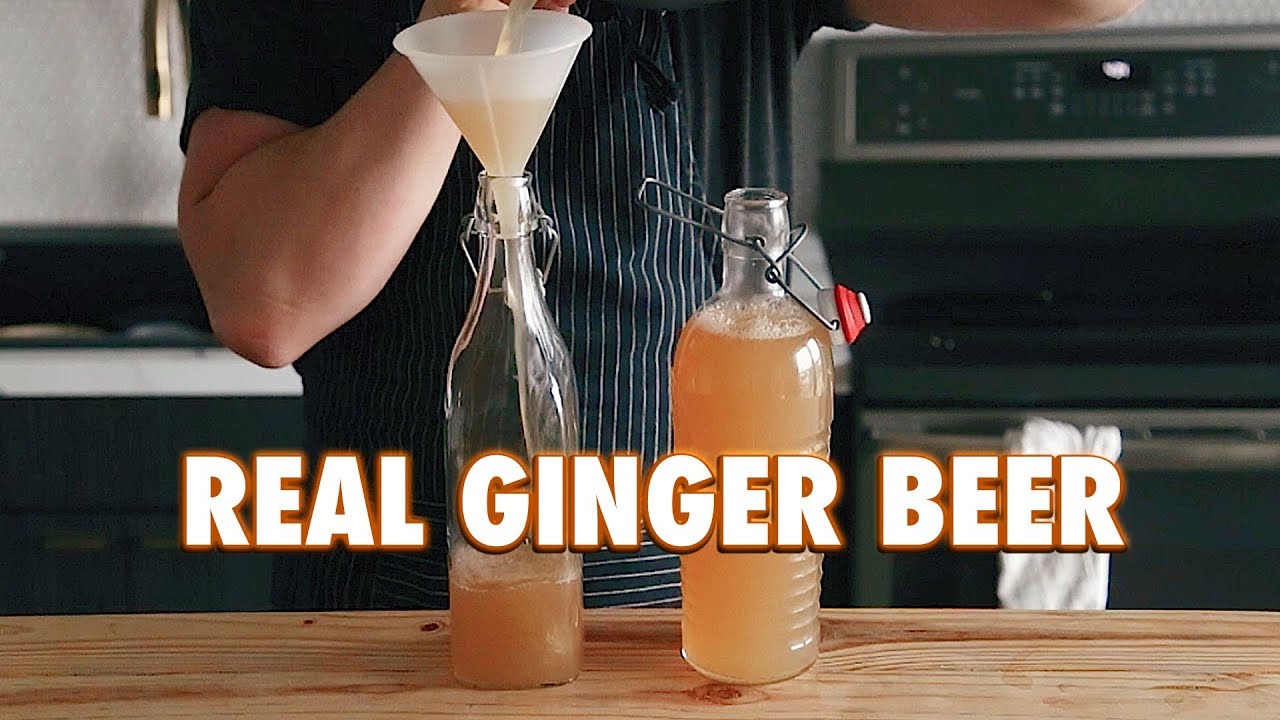
Using a funnel, carefully pour the fermented ginger beer into the bottles, leaving about an inch of headspace at the top. If you want to add additional flavors, such as fruits or spices, now is the time to do so. Add a few pieces of chopped fruit or a pinch of spices to each bottle before sealing.
Step 7: Secondary Fermentation
Seal the bottles tightly and allow them to undergo secondary fermentation at room temperature for another 3 to 7 days. This step is crucial for developing carbonation. Be sure to check the bottles daily for pressure build-up, as over-carbonation can lead to bottle explosions.
Once the desired level of carbonation is achieved, transfer the bottles to the refrigerator to slow down fermentation and carbonation.
Tips for Perfecting Your Alcoholic Ginger Beer
- Experiment with Flavors: Dont hesitate to try different spices and fruits to create your unique ginger beer blend.
- Monitor Fermentation: Keeping a close eye on the fermentation process will help you understand the flavor profiles and carbonation levels.
- Temperature Control: A consistent fermentation temperature will yield better results. Avoid drastic temperature changes.
- Record Your Process: Take notes on ingredient quantities, fermentation times, and flavor adjustments to refine your recipe for future batches.
Common Issues and Troubleshooting
Flat Ginger Beer
If your ginger beer turns out flat, it may be due to insufficient fermentation time or not enough sugar. Ensure your fermentation vessel is sealed properly and consider adding a bit more sugar before bottling to encourage carbonation.
Over-Carbonation
On the other hand, if your ginger beer is overly carbonated, it might be a sign of too much sugar added before bottling or prolonged fermentation. To avoid this, regularly check the pressure in your bottles and refrigerate them as soon as they reach the desired carbonation level.
Off-Flavors
If you notice any off-flavors, it could be due to contamination or fermentation at improper temperatures. Always sanitize your equipment and ensure you’re using high-quality ingredients.
Storing Your Alcoholic Ginger Beer
Once bottled, your ginger beer can be stored in the refrigerator for up to 3 months. Keep in mind that the flavors may continue to develop over time, and it’s best enjoyed fresh. If you want to store it for longer, consider freezing it in small portions or using a kegging system for longer shelf life.
Conclusion
Making alcoholic ginger beer plant is a rewarding process that combines art and science. With the right ingredients, equipment, and a little patience, you can create a delicious and refreshing beverage that is perfect for any occasion. Remember to experiment with flavors and techniques to find your ideal brew. Cheers to your homemade ginger beer!
See all our content in the Sitemaps or in our Vip Cheers Webmaps!
You read complete How to Make Alcoholic Ginger Beer Plant: A Step-by-Step Guide See more about liqueurs here Beer.
Leave a Reply