
How to Make a Vodka Sour: The Ultimate Guide to Perfection
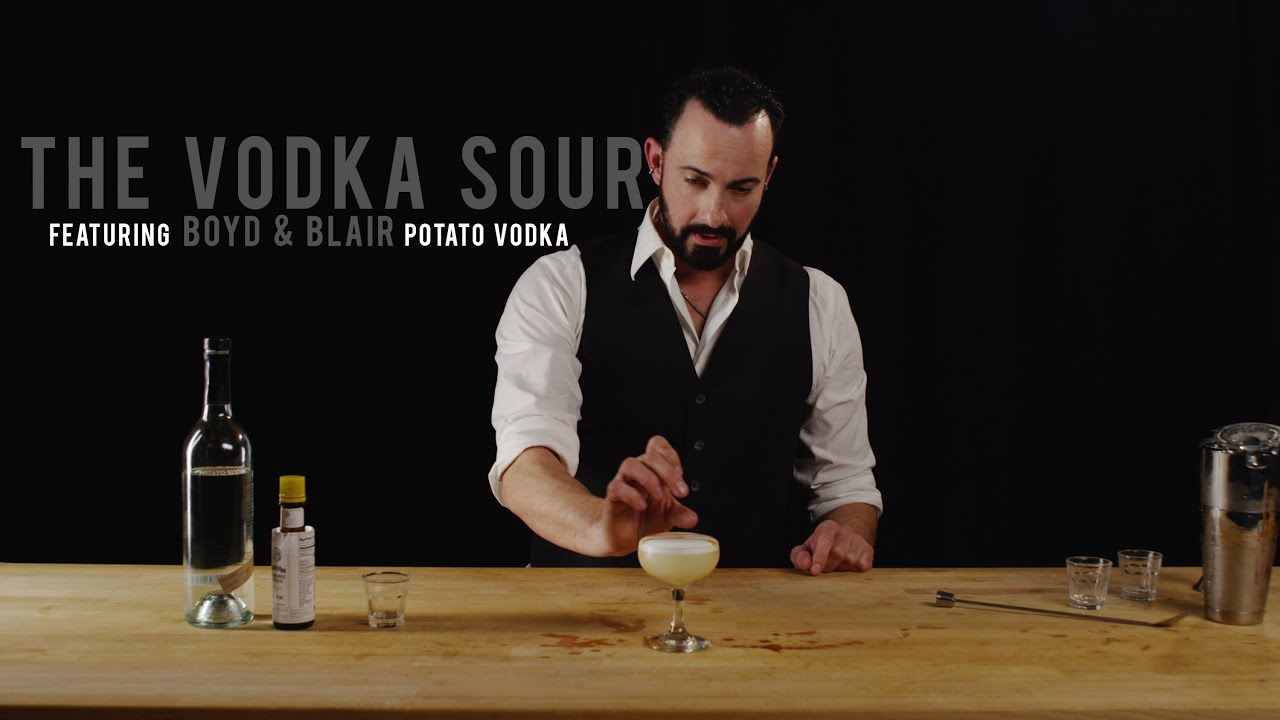
What is vodka sour made of?
Vodka sour is a refreshing cocktail that combines the smoothness of vodka with the tangy flavor of citrus. The essential components of a vodka sour include a few key ingredients that work together to create its distinctive taste.
Main Ingredients
The primary ingredients of a vodka sour are:
- Vodka: The base spirit that gives the cocktail its strength and character. A good quality vodka is essential for a smooth drink.
- Fresh Lemon Juice: This ingredient adds a bright, zesty flavor that balances the richness of the vodka. Freshly squeezed lemon juice is preferred for the best taste.
- Sugar or Simple Syrup: Sweetness is necessary to counteract the tartness of the lemon juice. You can use granulated sugar or simple syrup, depending on your preference.
- Ice: Essential for serving, ice helps chill the drink and enhances its refreshing qualities.
Optional Ingredients
While the core ingredients create a classic vodka sour, you can also experiment with additional elements to enhance the flavor profile. Some optional ingredients include:
- Egg White: For a frothy texture and a richer mouthfeel, some recipes include egg white, creating a silky finish.
- Bitters: A dash of bitters can add complexity and depth to the drink, balancing the flavors.
- Garnishes: Common garnishes include lemon slices or cherries, which not only enhance the presentation but also add a subtle hint of flavor.
In summary, a vodka sour is crafted with vodka, fresh lemon juice, and a sweetener, making it a simple yet delicious cocktail. The addition of optional ingredients can elevate the drink, allowing for a personalized touch that suits individual tastes.
What makes a drink a sour?
A "sour" drink is characterized primarily by its tartness, which is typically achieved through the use of acidic ingredients. The most common sour ingredients include citrus juices, such as lemon or lime, which provide a bright, zesty flavor profile that balances sweetness and bitterness. The acidity from these juices not only enhances the taste but also plays a crucial role in the overall mouthfeel of the drink, giving it a refreshing quality that makes it especially popular in cocktails.
In addition to citrus, the base spirits used in sour drinks can vary widely, ranging from whiskey to rum to gin. The choice of spirit can influence the overall flavor and character of the sour. For example, a whiskey sour combines the rich, warming notes of whiskey with the bright acidity of lemon juice, while a daiquiri pairs rums sweetness with lime juice for a more tropical take. The interaction between the acidity of the citrus and the base spirit is essential for achieving the perfect balance.
To achieve the ideal sour profile, many recipes also incorporate a sweetening agent, such as simple syrup or sugar. This sweetness counteracts the acidity, creating a harmonious blend of flavors. The ratio of sweet to sour can vary depending on personal preference, but a classic sour typically follows the 3:2:1 formula, consisting of three parts spirit, two parts sour, and one part sweet. This foundational formula allows for versatility and customization, making it easy to experiment with different ingredients while maintaining the essence of a sour drink.
Finally, the presentation of sour drinks often includes garnishes that complement their tartness, such as citrus wheels, cherries, or fresh herbs. These not only enhance the visual appeal but also add aromatic elements that elevate the drinking experience. Whether enjoyed at a bar or crafted at home, sour drinks continue to be a beloved category for their refreshing qualities and the delightful balance of flavors they offer.
Is a lemon drop a vodka sour?
The lemon drop cocktail is often a point of confusion for many cocktail enthusiasts, particularly when it comes to its classification. While both the lemon drop and vodka sour share common ingredients and preparation methods, they are distinct cocktails with unique characteristics. The primary ingredient in a lemon drop is vodka, which places it in the same family as the vodka sour, but there are key differences that set them apart.
Lemon Drop Ingredients
- Vodka
- Fresh lemon juice
- Simple syrup
- Optional: lemon zest or sugar for rimming the glass
The lemon drop is typically characterized by its bright, citrusy flavor, which comes from the fresh lemon juice. It is often served in a chilled glass with a sugared rim, enhancing its sweetness and making it a delightful option for those who enjoy a tart yet sweet drink. The balance of flavors in a lemon drop leans more towards the sweet and tangy profile, distinguishing it from a traditional vodka sour.
On the other hand, a vodka sour generally consists of vodka, lemon juice, and a sweetener, typically simple syrup or another form of sugar. However, vodka sours may not always include the same attention to the sugar rim or the focus on citrusy notes. Instead, the vodka sour can be made with a variety of sour mixers, allowing for more versatility in flavor.
In summary, while a lemon drop can be seen as a type of vodka sour due to its vodka base and sour components, its unique preparation and emphasis on sweetness and citrus elevate it to a category of its own. Understanding these distinctions can enhance your cocktail experience and appreciation for both drinks.
What is the formula for the sour cocktail?
The sour cocktail is a classic drink that balances sweetness, acidity, and spirit. The fundamental formula for creating a sour cocktail typically includes three primary components: a base spirit, a sour element, and a sweetener. This combination not only enhances the flavors but also creates a refreshing and well-rounded drink.
Basic Ingredients
To craft a delicious sour cocktail, youll need the following ingredients:
- Base Spirit: This can be any distilled spirit, such as whiskey, rum, gin, or vodka.
- Sour Element: Freshly squeezed citrus juice, usually lemon or lime, is the most common choice.
- Sweetener: Simple syrup, honey, or agave nectar is typically used to balance the tartness of the citrus.
Typical Ratios
While variations exist, a standard formula often follows the ratio of:
- 2 ounces of base spirit
- 3/4 ounce of sour element (citrus juice)
- 1/2 ounce of sweetener
This formula can be adjusted according to personal taste preferences. For instance, if you prefer a sweeter drink, you might increase the amount of sweetener, or if you enjoy a more tart flavor, you could add a bit more citrus juice.
When preparing a sour cocktail, it’s common to shake the ingredients with ice to chill and dilute the drink before straining it into a glass. Some recipes even call for the addition of egg white to create a frothy texture, further enhancing the cocktails mouthfeel and appearance.
See all our content in the Sitemaps or in our Vip Cheers Webmaps!
You read complete How to Make a Vodka Sour: The Ultimate Guide to Perfection See more about liqueurs here Vodka.
Leave a Reply