
How to Get Rid of Wine Stains: Effective Tips & Tricks
How do you get red wine out of clothes?
Removing red wine stains from clothing can seem daunting, but with the right techniques, you can effectively treat the fabric and restore it to its original condition. The key to successful stain removal lies in acting quickly and using the appropriate methods. Here are some effective steps to follow:
Immediate Actions
As soon as you notice a red wine spill, its crucial to blot the stain with a clean cloth or paper towel. Avoid rubbing, as this can spread the stain further. Gently dab the area to absorb as much wine as possible. Once youve blotted the excess wine, you can proceed with the following methods:
Stain Removal Techniques
1. Salt Method: Sprinkle a generous amount of salt directly onto the stain. The salt will absorb the wine, helping to lift the color from the fabric. Leave it on for several minutes before gently brushing it off.
2. Club Soda: Pour club soda directly onto the stain and let it fizz for a few moments. Blot the area again with a clean cloth. The carbonation in the soda can help lift the stain from the fibers.
3. White Wine Solution: If you have white wine on hand, pour it over the red wine stain. The acidity of the white wine can neutralize the red wine, making it easier to remove. Follow this by rinsing the fabric with cold water.
Washing the Garment
After treating the stain with one of the above methods, its important to wash the garment as soon as possible. Use cold water and a suitable laundry detergent. Avoid using hot water, as this can set the stain. If the stain persists after washing, do not put the item in the dryer, as heat can make the stain permanent. Instead, repeat the stain removal process until the mark is completely gone.
Can old wine stains be removed?
When it comes to old wine stains, many people wonder if there is any hope for restoring their fabrics or surfaces. The good news is that while old wine stains can be stubborn, they are not necessarily permanent. The key to successful removal lies in the method used and how quickly you can address the stain.
To effectively tackle old wine stains, you can follow these steps:
- Act quickly: The sooner you address the stain, the better your chances of removal. If the stain is fresh, blot it with a clean cloth to absorb as much wine as possible.
- Use salt or baking soda: For older stains, sprinkling salt or baking soda on the affected area can help absorb the wine. Allow it to sit for a few minutes before rinsing.
- Apply a stain remover: There are various commercial stain removers specifically designed for wine stains. Follow the instructions carefully for the best results.
- Try home remedies: A mixture of white vinegar and dish soap can be effective. Apply the solution to the stain, let it sit, and then blot it away.
The effectiveness of these methods may vary depending on the type of fabric or surface affected by the stain. For delicate materials like silk or wool, its advisable to consult a professional cleaner to avoid further damage. In some cases, old wine stains may not be entirely removed but can be significantly lightened with the right approach.
Additionally, persistent stains may require multiple treatments or a combination of methods. It’s essential to test any cleaning solution on a hidden area first to ensure it doesn’t cause discoloration or damage. With patience and the right techniques, old wine stains can often be diminished or eliminated entirely.
Does vinegar remove wine stains?
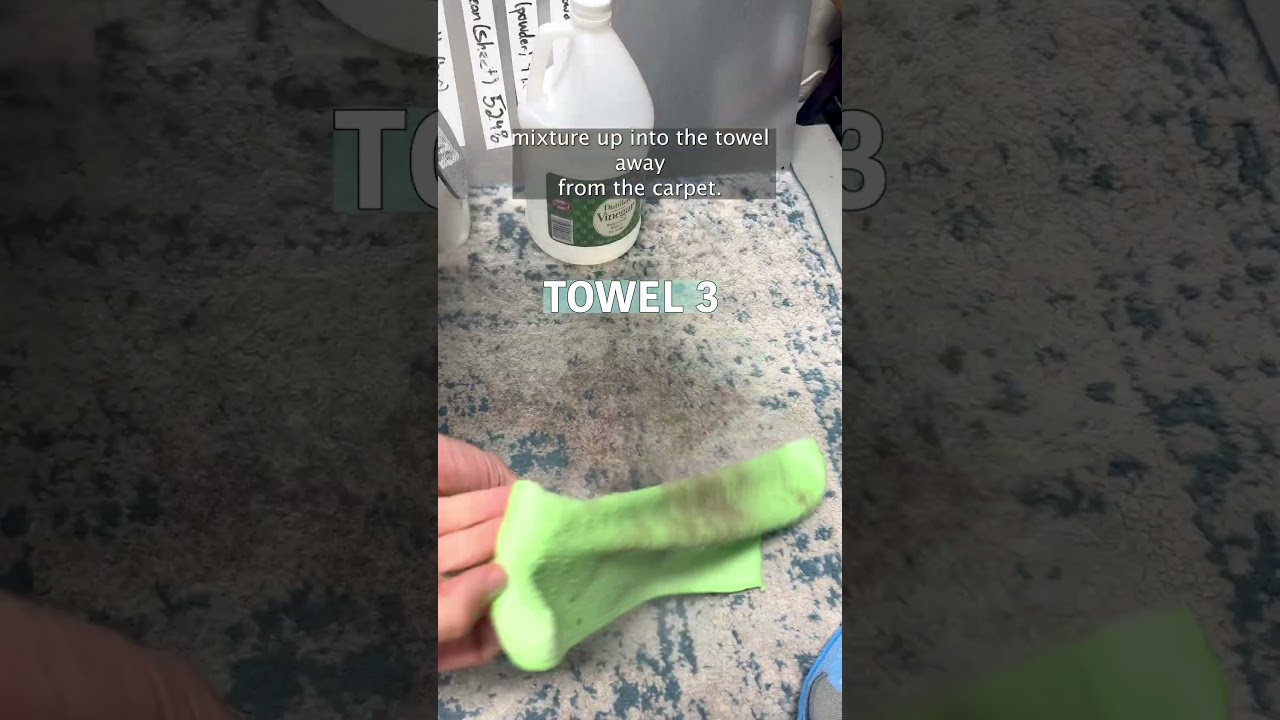
When it comes to tackling stubborn wine stains, many people turn to vinegar as a potential solution. Vinegar, particularly white vinegar, is often praised for its cleaning properties and ability to neutralize odors. But does it really work on wine stains? The answer is yes, vinegar can be effective in removing wine stains, especially when used in combination with other ingredients.
To effectively use vinegar for wine stain removal, follow these steps:
- Blot the stain: Start by gently blotting the wine stain with a clean cloth to absorb as much of the wine as possible. Avoid rubbing, as this can spread the stain.
- Mix a solution: Combine equal parts white vinegar and water in a bowl or spray bottle. For enhanced effectiveness, you can also add a bit of dish soap to the mixture.
- Apply the solution: Pour or spray the vinegar solution directly onto the stained area, ensuring it is thoroughly saturated.
- Blot again: Use a clean cloth to blot the area, lifting the stain as you go. Repeat the application if necessary until the stain is removed.
The acetic acid in vinegar helps to break down the compounds found in red wine, making it easier to lift the stain from fabrics or surfaces. Additionally, vinegars natural properties can help to neutralize the color pigments in wine, which is particularly beneficial for light-colored fabrics. However, it’s essential to act quickly, as older stains can be more challenging to remove.
While vinegar can be a useful home remedy for wine stains, it may not work for all materials. Always test the solution on a small, inconspicuous area before applying it to the stain to ensure it won’t cause discoloration or damage. For delicate fabrics, consider consulting a professional cleaner if the stain persists.
Is hot or cold water better for wine stains?
When it comes to tackling wine stains, the temperature of the water you use can significantly influence the effectiveness of your cleaning efforts. Generally, cold water is recommended for treating wine stains, especially when the stain is fresh. Cold water helps to prevent the wine from setting into the fabric, making it easier to lift the stain away. By using cold water, you can dilute the wine and minimize its absorption into the fibers, giving you a better chance of removing the stain entirely.
On the other hand, using hot water can be counterproductive for wine stains. Heat can cause the tannins in red wine to bond more tightly with the fabric, making the stain more difficult to remove. Once a wine stain has set in with hot water, it can become nearly permanent, requiring more aggressive cleaning methods that may not be suitable for all fabrics. Therefore, it’s crucial to act quickly and opt for cold water as your first line of defense against wine stains.
If youre dealing with a stubborn wine stain, consider the following steps:
- Blot the stain gently with a clean cloth to absorb excess wine.
- Rinse the stained area with cold water, allowing it to flow through the fabric.
- Apply a stain remover or a mixture of cold water and detergent before laundering.
For best results, always test your cleaning solution on a small, inconspicuous area of the fabric first. By adhering to these guidelines and using cold water, you can enhance your chances of successfully removing wine stains without causing further damage to your clothing or upholstery.
See all our content in the Sitemaps or in our Vip Cheers Webmaps!
You read complete How to Get Rid of Wine Stains: Effective Tips & Tricks See more about liqueurs here Wine.
Leave a Reply