
How to Distill Gin at Home: A Step-by-Step Guide
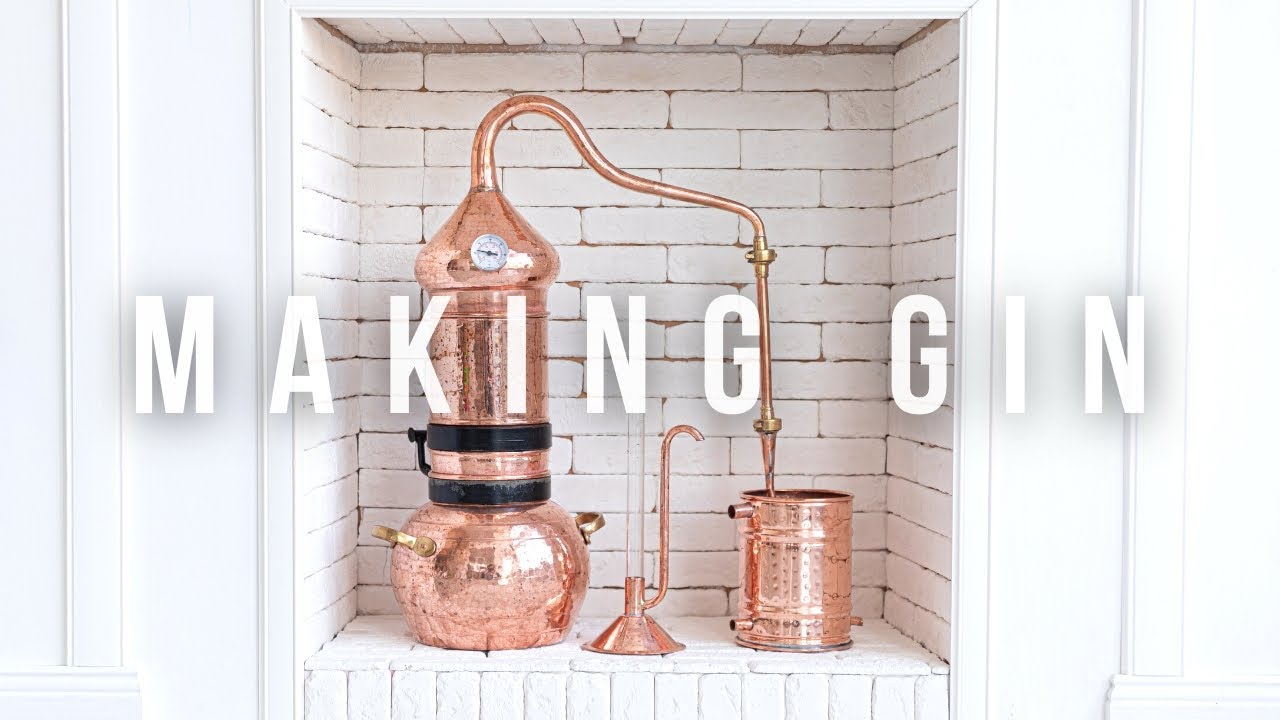
Understanding the Basics of Gin Distillation
Gin distillation is a fascinating process that transforms a simple base spirit into a complex and aromatic beverage. At its core, gin is primarily made from grain alcohol, which can be derived from various sources such as barley, corn, or wheat. The key to gin’s unique flavor profile lies in the addition of botanicals, with juniper berries being the most essential. Understanding the basics of gin distillation involves exploring both the ingredients and the methods used to create this beloved spirit.
Key Ingredients in Gin Distillation
The primary ingredients in gin distillation include:
- Base Spirit: Usually made from fermented grains.
- Botanicals: Juniper berries, coriander, angelica root, and various other herbs and spices.
- Water: Essential for diluting the spirit to the desired alcohol content.
Each botanical contributes to the overall flavor, aroma, and character of the gin. Distillers often experiment with various combinations and quantities to create unique blends, making each gin distinct.
The Distillation Process
The distillation process for gin typically involves two main methods: pot still distillation and column still distillation.
- Pot Still Distillation: This traditional method involves heating the base spirit in a pot still, where the alcohol evaporates and is then condensed back into liquid form, capturing the flavors of the botanicals.
- Column Still Distillation: A more modern technique that allows for continuous distillation, resulting in a purer spirit. This method is often used for producing high-proof neutral spirits that are later flavored with botanicals.
During distillation, the choice of heat and the timing of the botanical infusion are critical. Distillers must carefully monitor these factors to ensure that the essential oils and flavors are extracted without overwhelming the spirit with bitterness or unwanted notes.
In summary, gin distillation is a meticulous craft that combines art and science. By understanding the ingredients and processes involved, enthusiasts can appreciate the nuances of their favorite gins and the skill required to produce them.
Essential Equipment Needed for Home Gin Distillation
When embarking on the exciting journey of home gin distillation, having the right equipment is crucial for both safety and the quality of your final product. The essential equipment can be categorized into several key components, each playing a vital role in the distillation process.
1. Distillation Apparatus
The core of any gin distillation setup is the distillation apparatus. This typically includes a pot still or a column still. A pot still is ideal for beginners as it’s easier to use and offers more control over the distillation process. On the other hand, a column still is better suited for those looking to produce a higher alcohol content and a more refined spirit. Additionally, consider investing in a reflux condenser, which enhances the purity of the distillate.
2. Fermentation Vessel
Before distillation can take place, fermentation must occur. A fermentation vessel is essential for this stage, allowing you to convert sugars into alcohol. Opt for a vessel made of food-grade plastic or glass, ensuring it has an airlock to prevent contamination while allowing gases to escape. The size of the fermentation vessel will depend on the quantity of gin you plan to produce.
3. Thermometer and Hydrometer
Monitoring temperature and alcohol content is crucial during the distillation process. A reliable thermometer helps you maintain the right temperatures, ensuring optimal distillation. Meanwhile, a hydrometer measures the specific gravity of your wash, allowing you to gauge the potential alcohol content. These tools will help you make necessary adjustments and achieve the desired flavor profile in your gin.
4. Additional Accessories
In addition to the main equipment, there are several accessories that can enhance your home distillation experience. Consider the following items:
- Measuring tools: Accurate measurements are vital for consistency.
- Bottling equipment: Proper bottles and caps for storing your gin.
- Botanicals and flavoring agents: Essential for creating unique gin recipes.
- Cleaning supplies: Maintaining cleanliness is key to preventing contamination.
Investing in high-quality equipment not only ensures safety but also significantly improves the quality of your homemade gin.
Step-by-Step Guide: How to Distill Gin at Home
Distilling gin at home can be an exciting and rewarding endeavor, allowing you to craft a unique spirit tailored to your taste preferences. Before you begin, ensure you are aware of the legal regulations in your area regarding home distillation, as it may require permits or may be entirely prohibited. Once you’ve confirmed that you’re in the clear, follow this step-by-step guide to distill your own gin.
Gather Your Equipment
To get started, you will need specific equipment. Here’s a list of essential items:
- Still: A pot still or a reflux still is ideal for distilling gin.
- Fermentation vessel: A glass or food-grade plastic container to ferment your mash.
- Ingredients: Base alcohol (such as vodka), botanicals (like juniper berries, coriander, and citrus peels), and water.
- Thermometer: To monitor the temperature during distillation.
- Hydrometer: For measuring the alcohol content of your distillate.
Prepare Your Botanicals
The flavor profile of your gin will largely depend on the botanicals you choose. Start by selecting your base botanicals, primarily juniper berries, which are essential for any gin. You can then add various herbs, spices, and citrus peels to create a unique blend. For a balanced flavor, a common ratio is:
- 50% juniper berries
- 30% other botanicals (e.g., coriander, angelica root, or orris root)
- 20% citrus peels (e.g., lemon, lime, or orange)
Once you’ve prepared your botanicals, it’s time to macerate them in your base alcohol. Allow the mixture to steep for 24 to 48 hours to extract the flavors effectively.
Distillation Process
Now that your botanicals are ready, it’s time to distill your gin. Pour the macerated mixture into your still, ensuring not to overfill it. Heat the still gradually, and as the alcohol begins to evaporate, it will rise through the still and condense back into liquid form. Collect the distillate in a clean container, monitoring the temperature closely. Aim for a temperature between 78-85°C (172-185°F) to ensure optimal extraction of flavors without burning the botanicals.
Once you’ve collected enough distillate, you can dilute it with water to achieve your desired alcohol content. Typically, gin is bottled at around 40% ABV. At this stage, you can also experiment with additional flavorings or infusions if you wish to customize your final product further.
Choosing the Right Botanicals for Your Homemade Gin
When it comes to crafting your own gin at home, the selection of botanicals is paramount. The right combination can elevate your spirit from ordinary to extraordinary, creating a unique flavor profile that reflects your personal taste. Botanicals are the essence of gin, with juniper berries being the most essential ingredient, but the world of gin offers a vast array of additional botanicals to explore.
Common Botanicals to Consider:
- Juniper Berries: The foundation of gin, imparting a piney, resinous flavor.
- Coriander: Adds citrus notes and a hint of spice.
- Angelica Root: Contributes earthy and herbal undertones.
- Orris Root: Often used for its floral qualities and as a fixative.
- Cardamom: Offers a warm, spicy aroma and complexity.
In addition to these staples, consider incorporating local or seasonal botanicals that resonate with your region or personal experiences. Ingredients such as fresh citrus peels, herbs like rosemary or thyme, or even floral elements like lavender or chamomile can add a distinctive twist to your gin. Experimenting with different combinations can lead to delightful discoveries, allowing you to create a signature blend that truly represents your flavor preferences.
When choosing your botanicals, it’s essential to strike a balance between flavors. Some botanicals are more potent than others, so it’s advisable to start with smaller amounts and gradually adjust to achieve the desired taste. Keep in mind the overall harmony of the botanicals; a well-rounded gin will have layers of flavor that unfold with each sip. Whether you prefer a classic London dry style or something more contemporary and adventurous, the right selection of botanicals will ultimately define your homemade gin.
Safety Tips and Legal Considerations for Home Distilling
When engaging in home distilling, safety should be your top priority. Distillation involves heating liquids to create vapors and then cooling them back into liquids, which can be hazardous if not done correctly. Here are some essential safety tips to keep in mind:
Essential Safety Precautions
- Work in a well-ventilated area: Ensure that your distillation setup is in a space with good airflow to prevent the buildup of flammable vapors.
- Use appropriate equipment: Invest in high-quality distillation equipment that is designed for home use. Avoid makeshift or improvised tools that could lead to dangerous leaks or explosions.
- Monitor temperature closely: Use a thermometer to keep an eye on the temperature during the distillation process. This helps prevent overheating, which can cause fires or other hazards.
- Keep a fire extinguisher nearby: Always have a fire extinguisher rated for flammable liquids within reach in case of an emergency.
Understanding Legal Considerations
Before starting your home distilling venture, it’s crucial to understand the legal landscape surrounding this practice. Laws regarding home distillation vary widely by country and even by state. Here are some key points to consider:
- Check local laws: Research the regulations in your area regarding the distillation of spirits. In many places, it is illegal to distill alcohol for personal use without a proper license.
- Consider tax implications: Distilling alcohol can have tax consequences. Be aware of any taxes that may apply to the production of spirits in your jurisdiction.
- Understand the penalties: Violating distillation laws can result in hefty fines or even criminal charges. Its vital to comply with all regulations to avoid legal issues.
By following these safety tips and understanding the legal considerations, you can minimize risks and ensure that your home distilling experience is both safe and compliant with local laws.
See all our content in the Sitemaps or in our Vip Cheers Webmaps!
You read complete How to Distill Gin at Home: A Step-by-Step Guide See more about liqueurs here Other Liquors.
Leave a Reply