
How Tall is a Liquor Bottle? Discover Standard Heights Here!
Understanding the Average Height of a Liquor Bottle
When it comes to liquor bottles, understanding their average height is crucial for various reasons, including storage, display, and serving. The height of a liquor bottle can vary significantly based on the type of spirit it contains and the design of the bottle itself. Typically, most standard liquor bottles range from 750 ml to 1 liter, with the most common height falling between 10 to 12 inches (approximately 25 to 30 cm).
Different types of spirits often come in varying bottle heights. For instance, a standard wine bottle usually measures around 12 inches (30 cm), while a whiskey bottle might be slightly shorter or taller, depending on its design. Additionally, specialty bottles, such as those used for premium spirits or limited editions, can be considerably taller or have unique shapes that influence their overall height. Here are some examples of common liquor bottle heights:
- Vodka: 10 to 12 inches (25 to 30 cm)
- Whiskey: 10 to 14 inches (25 to 35 cm)
- Rum: 10 to 12 inches (25 to 30 cm)
- Tequila: 10 to 13 inches (25 to 33 cm)
- Gin: 10 to 12 inches (25 to 30 cm)
Its important to note that while the average heights mentioned provide a general guideline, variations can occur due to the branding and aesthetic choices of manufacturers. Some brands may choose taller bottles for a more elegant presentation, while others may opt for shorter, more compact designs for practicality. Understanding these variations can help consumers and retailers alike make informed decisions regarding storage and display, ensuring that liquor bottles fit seamlessly into their intended spaces.
Factors That Influence the Height of Liquor Bottles
The height of liquor bottles is influenced by a variety of factors that cater to both functional and aesthetic considerations. Understanding these factors can provide insights into packaging design, branding, and consumer preferences.
1. Type of Liquor
Different types of liquor often come in distinct bottle heights due to their traditional packaging standards. For example, whiskey bottles typically have a squat and sturdy design, while vodka bottles may be taller and sleeker. This variation can be attributed to the characteristics of the liquor itself, such as aging processes and serving rituals.
2. Branding and Marketing
Brand identity plays a significant role in determining bottle height. Distilleries often design bottles to reflect their brand image and to stand out on shelves. A taller bottle may convey a sense of elegance and sophistication, appealing to premium markets, while shorter bottles might suggest approachability and casual consumption. The use of unique shapes can also attract consumer attention, making height a crucial element in marketing strategy.
3. Functional Considerations
The practical aspects of bottle design cannot be overlooked. The height of a liquor bottle can impact storage, shipping, and pouring. Taller bottles may be more cumbersome to store and transport, which can influence production decisions. Additionally, the ergonomics of pouring can dictate bottle height, ensuring that consumers can easily serve their drinks without spills or awkward handling.
4. Regulatory Requirements
In some regions, liquor bottle dimensions may be influenced by regulatory standards that dictate labeling and packaging requirements. These regulations can affect the overall height and shape of the bottle, as manufacturers must ensure compliance while still meeting market demands. This interplay between regulation and design adds another layer of complexity to the factors influencing bottle height.
Common Liquor Bottle Heights by Type and Brand
When it comes to liquor bottles, height can vary significantly based on both the type of spirit and the brand. Understanding these common heights can help consumers make informed choices for their home bars or special events. Here, we’ll explore the typical dimensions of various liquor bottle types and highlight some popular brands within each category.
Standard Bottle Heights
Most standard liquor bottles typically range from 12 to 14 inches in height. This includes popular spirits such as:
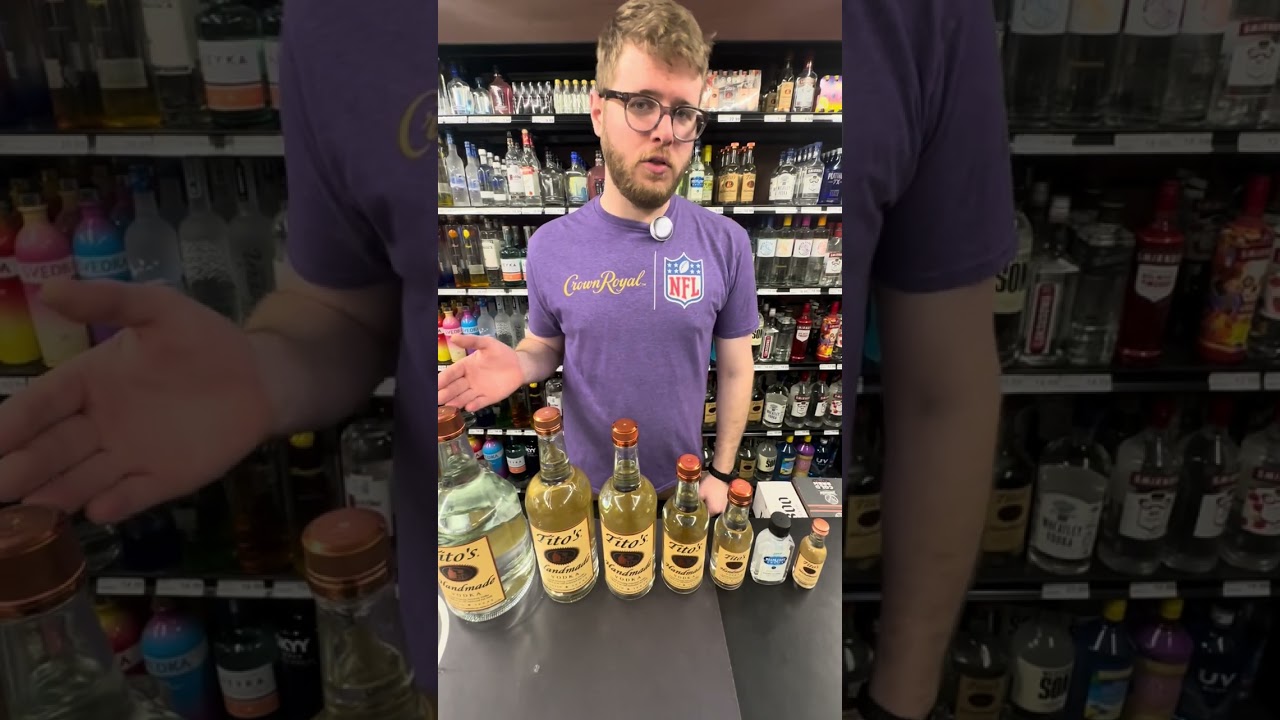
- Vodka: Brands like Grey Goose and Titos Handmade Vodka generally fall within this height range.
- Whiskey: Common brands like Jack Daniels and Jameson also conform to these dimensions.
- Rum: Bacardi and Captain Morgan are examples of rum brands that fit this standard.
Miniature and Specialty Bottles
Miniature bottles, often used for sampling or as gifts, typically stand around 5 to 7 inches tall. These smaller versions are great for trying new flavors without committing to a full-sized bottle. Brands like Fireball and Smirnoff offer a variety of mini bottles that are perfect for parties or travel.
Unique Bottle Heights
Certain brands and types of liquor may feature unique bottle designs that deviate from the standard height. For instance, some premium whiskey brands, such as Glenfiddich or Macallan, may have taller bottles that reach 15 to 18 inches. On the other hand, specialty liqueurs like Baileys Irish Cream often come in shorter, wider bottles that can also vary in height.
In addition to these variations, its worth noting that some brands might introduce limited-edition bottles with distinctive shapes and sizes, further diversifying the landscape of liquor bottle heights. Understanding these common dimensions can enhance your shopping experience and ensure your collection looks as good as it tastes.
How to Measure the Height of a Liquor Bottle Accurately
Measuring the height of a liquor bottle accurately is essential for various reasons, including inventory management, shipping, and display purposes. To achieve precise measurements, follow a systematic approach that ensures consistency and reliability.
Tools You Will Need:
- A ruler or measuring tape
- A flat, stable surface
- A notepad for recording measurements
Start by placing the liquor bottle upright on a flat, stable surface. Ensure that the bottle is not leaning or tilted, as this can lead to inaccurate readings. Next, use a ruler or measuring tape to measure from the base of the bottle to the highest point of the neck or cap. When measuring, its important to align the ruler or tape measure vertically to avoid any angles that could distort the height.
For greater accuracy, consider taking multiple measurements. Measure the height three times and take note of each result. If you notice any discrepancies, measure again to ensure that you are getting a consistent reading. Once you have confirmed the correct height, record your measurement on your notepad for future reference. By following these steps, you can accurately measure the height of any liquor bottle with confidence.
Why the Height of a Liquor Bottle Matters for Bartenders and Collectors
When it comes to liquor bottles, height is not just a matter of aesthetics; it plays a significant role for both bartenders and collectors. For bartenders, the height of a liquor bottle can affect storage, visibility, and ease of access in a busy bar environment. Taller bottles may require more vertical space, which can be a challenge in smaller bars where shelf space is at a premium. Additionally, the height of a bottle can influence how it fits within a display or a well, impacting the overall organization and efficiency of service.
For collectors, the height of a liquor bottle can be a crucial factor in determining its value and appeal. Many collectors seek unique or rare bottles, and the height can contribute to a bottles distinctiveness. Shorter bottles may be seen as more quaint or vintage, while taller bottles often convey a sense of elegance or premium quality. The height can also influence the overall design and labeling of the bottle, which are key aspects for collectors looking to showcase their finds.
Furthermore, the height of a liquor bottle can impact the pouring experience. Bartenders often prefer bottles that are easy to handle and pour from, and taller bottles may require more careful maneuvering. This can be especially important during busy hours when speed and accuracy are essential. In contrast, shorter bottles may provide a more stable base for pouring, reducing the risk of spills and improving efficiency during service.
Lastly, the height of a liquor bottle can play a role in branding and marketing. Distilleries often design bottles with specific heights to create a memorable silhouette that stands out on the shelf. A unique height can help a brand differentiate itself from competitors, attracting the attention of both bartenders and collectors. The right bottle height can evoke a certain image or emotion, making it a vital aspect of product presentation and consumer perception.
See all our content in the Sitemaps or in our Vip Cheers Webmaps!
You read complete How Tall is a Liquor Bottle? Discover Standard Heights Here! See more about liqueurs here Other Liquors.
Leave a Reply