
How Much Wine to Pour in a Glass: Perfect Serving Guide
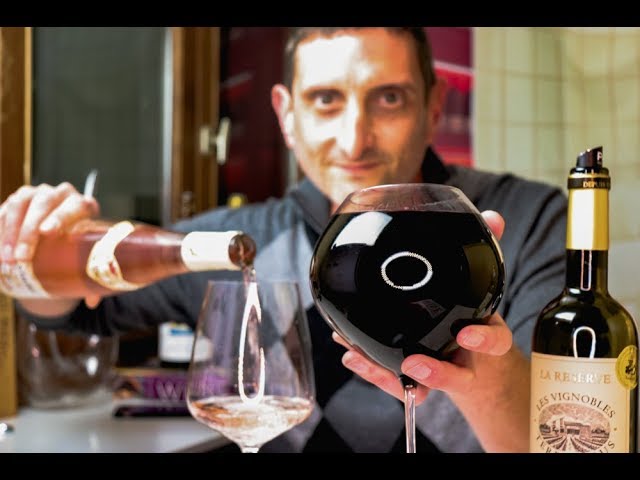
- Understanding Wine Pouring Etiquette: How Much Wine to Pour in a Glass
- The Perfect Pour: Recommended Wine Amounts for Different Glass Sizes
- Factors Influencing How Much Wine to Pour in a Glass
- How Much Wine to Pour for Different Occasions: A Comprehensive Guide
- Tips for Pouring Wine: Achieving the Ideal Glass Fill Level
Understanding Wine Pouring Etiquette: How Much Wine to Pour in a Glass
When it comes to wine pouring etiquette, knowing how much to pour is essential for both hosts and guests. The standard serving size for a glass of wine is typically 5 ounces (about 150 milliliters). This amount allows for the wine to breathe and enhances the overall tasting experience. Pouring too little can leave guests wanting more, while pouring too much can lead to spills and an unrefined appearance.
Key Guidelines for Pouring Wine:
- Fill to the widest part of the glass: This is generally about one-third full, which allows for the wines aromas to develop and be enjoyed.
- Avoid overfilling: Pouring more than 5 ounces can make it difficult to swirl the wine, which is important for aeration and aroma release.
- Consider the type of wine: Different wines may require different pouring techniques; for example, sparkling wines often need a gentler pour to preserve carbonation.
In formal settings, its also customary to pour for others before filling your own glass. This practice not only shows consideration but also maintains the flow of the gathering. When pouring for others, be mindful of their preferences—some may prefer a smaller pour, while others might enjoy a fuller glass. If you’re unsure, it’s perfectly acceptable to ask how much they would like.
Moreover, when serving wine at a dinner party, it’s important to keep in mind the type of occasion and the number of guests. For a casual gathering, a little flexibility in pouring might be acceptable, while a formal dinner may adhere more closely to the standard serving sizes. Ultimately, understanding these nuances in wine pouring etiquette enhances the experience for everyone involved.
The Perfect Pour: Recommended Wine Amounts for Different Glass Sizes
When it comes to enjoying wine, the amount poured can significantly enhance the tasting experience. Different glass sizes are designed to hold specific amounts of wine, and knowing the ideal pour can help you appreciate the aromas and flavors to their fullest. Here’s a breakdown of recommended wine amounts for various glass sizes to ensure that you’re serving the perfect pour every time.
Standard Wine Glasses
For standard wine glasses, which typically hold between 12 to 16 ounces, the recommended pour is around 5 ounces. This amount allows for sufficient space in the glass for the wine to breathe, enhancing its bouquet and allowing you to swirl it effectively. By pouring 5 ounces, you can enjoy a full-bodied red or a crisp white without overwhelming the glass.
Flute Glasses for Sparkling Wines
Sparkling wines, such as Champagne, are best served in flute glasses. These elegant vessels usually hold about 6 to 8 ounces, with an ideal pour of 4 ounces. This amount not only maintains the bubbles but also showcases the wine’s color and effervescence. Pouring too much can diminish the sparkling effect, making the flute a perfect choice for special occasions.
Wide-Bowled Glasses for Full-Bodied Wines
For full-bodied wines, such as Cabernet Sauvignon or Syrah, wide-bowled glasses are recommended. These glasses can hold up to 20 ounces, but a 6 to 8-ounce pour is ideal. This allows ample room for the wine to oxidize, enhancing its rich flavors and aromas. The larger surface area promotes better aeration, making each sip more enjoyable.
Smaller Glasses for Dessert Wines
Dessert wines, typically served in smaller glasses, usually hold about 4 to 6 ounces. The recommended pour for these sweet selections is around 2 to 3 ounces. This smaller amount allows you to savor the rich, concentrated flavors without overwhelming your palate. It also encourages you to sip slowly, enjoying each delightful note of sweetness.
Factors Influencing How Much Wine to Pour in a Glass
When it comes to pouring wine, several factors come into play that can influence the amount you choose to pour into a glass. Understanding these factors not only enhances the drinking experience but also ensures that you serve the wine in a way that highlights its qualities.
Glass Size and Shape
The size and shape of the wine glass significantly impact how much wine you should pour. Different types of wine glasses are designed for specific varieties of wine, which affects the amount poured. For example, a standard red wine glass typically holds about 12 to 14 ounces, while a white wine glass might hold around 10 to 12 ounces. Pouring too much can hinder the wines aroma and flavor, so its essential to consider the glasss design. A good rule of thumb is to fill the glass to about one-third full, allowing space for the wine to aerate and for you to appreciate its bouquet.
Wine Type and Style
The type of wine being served also plays a crucial role in determining the pour size. Full-bodied red wines, for instance, benefit from a larger pour to allow for proper aeration, while lighter whites and sparkling wines may require smaller servings to maintain their freshness and effervescence. Additionally, the occasion can dictate how much wine to pour; a casual gathering might allow for more generous servings, while formal tastings may call for smaller, more controlled pours to encourage savoring each sip.
Serving Temperature and Context
Another factor to consider is the serving temperature of the wine. Wines served too cold may need to be poured in smaller amounts to encourage warming, allowing the flavors to open up. Conversely, wines served at room temperature can be poured more liberally. The context in which the wine is being served—whether at a dinner party, a wine tasting, or a casual get-together—also influences how much wine to pour. Social norms and expectations can guide your pour size, helping to create a comfortable atmosphere for guests to enjoy their experience.
Ultimately, being mindful of these factors will not only enhance the enjoyment of the wine but also show a level of care and sophistication in your serving technique.
How Much Wine to Pour for Different Occasions: A Comprehensive Guide
When it comes to serving wine, the amount you pour can significantly impact the enjoyment of the occasion. Whether its a casual gathering or a formal event, understanding how much wine to serve can enhance the experience for both you and your guests. Here’s a comprehensive guide to help you determine the ideal pour for various occasions.
Casual Gatherings
For informal settings like a dinner party or a barbecue, the general rule is to pour about 5 ounces of wine per glass. This amount allows guests to savor their drink without feeling overwhelmed. If you’re serving multiple types of wine, consider offering a smaller pour of about 3 ounces for each wine, enabling guests to sample different varieties without overindulging.
Formal Events
At more formal occasions such as weddings or corporate events, the wine pour can vary based on the type of service. For seated dinners, a 6-ounce pour is standard for red wines, while white wines can be served in slightly smaller quantities at around 5 ounces. When serving champagne or sparkling wines for toasts, a pour of 4 ounces is typically sufficient, allowing guests to raise their glasses without overflowing.
Wine Tastings
In a wine tasting setting, the pour size should be much smaller to encourage sampling. A pour of 1.5 to 2 ounces is ideal, allowing guests to taste a variety of wines without consuming too much. This approach not only promotes a leisurely pace but also enhances the tasting experience by allowing participants to focus on the flavors and aromas of each wine.
By understanding these guidelines, you can ensure that your wine service aligns with the occasion, creating a pleasant atmosphere and encouraging guests to enjoy their experience to the fullest.
Tips for Pouring Wine: Achieving the Ideal Glass Fill Level
Pouring wine correctly is an art that enhances the overall tasting experience. Achieving the ideal glass fill level not only contributes to the aesthetic appeal but also influences the aroma and flavor of the wine. Here are some essential tips to consider when pouring wine.
Understanding the Perfect Fill Level
The perfect fill level typically ranges from one-third to half of the glass. This allows enough space for the wine to breathe and release its aromas. When pouring, aim for the following fill levels based on the type of wine:
- Red Wine: Fill the glass to about one-third full. This provides ample room for the wine to aerate.
- White Wine: A fill level of around one-half is ideal, allowing the chilled temperature to be maintained.
- Sparkling Wine: Fill only one-third to prevent overflow from the bubbles.
Pouring Technique
To achieve the desired fill level, it’s crucial to master the pouring technique. Start by holding the bottle at the base and tilting it gently towards the glass. Pour steadily and avoid overfilling, which can lead to spills and disrupt the tasting experience. Consider the following tips:
- Angle: Tilt the glass slightly to reduce splashing.
- Control: Pour slowly to maintain a steady flow.
- Stop Point: As you near the desired fill level, straighten the bottle to prevent overpouring.
Consider the Glass Shape
Different wine glasses are designed for specific types of wine, and their shape can influence the ideal fill level. For example, wider bowls allow for better aeration, while narrower glasses help concentrate aromas. Always consider the shape of the glass when pouring:
- Bordeaux Glass: Use for full-bodied red wines; aim for one-third fill.
- Chardonnay Glass: Suitable for white wines; fill to half for optimal enjoyment.
- Flute Glass: Best for sparkling wines; pour one-third to maintain bubbles.
By paying attention to these tips, you can enhance not only the presentation but also the enjoyment of the wine.
See all our content in the Sitemaps or in our Vip Cheers Webmaps!
You read complete How Much Wine to Pour in a Glass: Perfect Serving Guide See more about liqueurs here Wine.
Leave a Reply