
How Much Alcohol is in a Tequila Shot? A Complete Guide
- Understanding the Alcohol Content in a Tequila Shot
- How Much Alcohol is Typically Found in a Standard Tequila Shot?
- Comparing Tequila Shot Alcohol Levels to Other Spirits
- Factors Influencing the Alcohol Content in Different Tequila Brands
- Tips for Responsible Drinking: What You Should Know About Tequila Shots
Understanding the Alcohol Content in a Tequila Shot
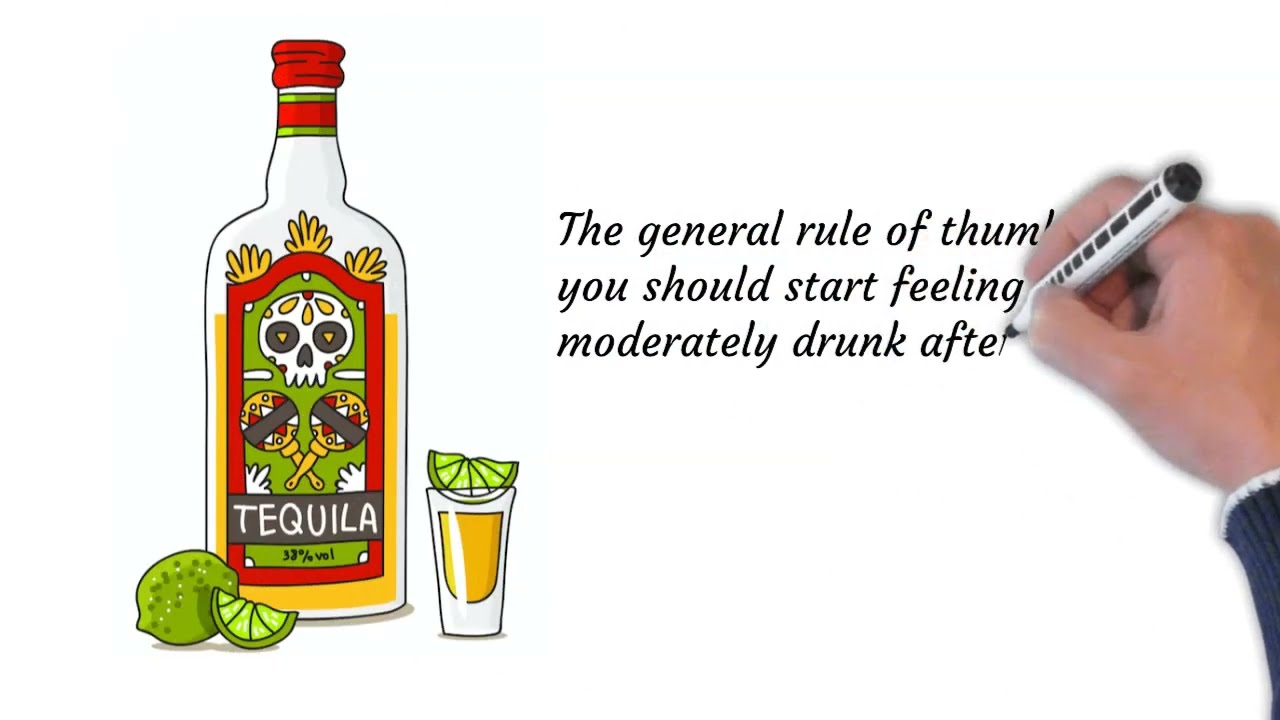
When it comes to enjoying a tequila shot, understanding the alcohol content is crucial for both responsible drinking and appreciating the spirits unique qualities. Tequila, a distilled beverage made from the blue agave plant, typically has an alcohol by volume (ABV) of around 40%. This means that in a standard 1.5-ounce shot, you can expect approximately 0.6 ounces of pure alcohol. However, this figure can vary slightly depending on the brand and type of tequila.
There are several factors that can influence the alcohol content in a tequila shot. The production process, the age of the tequila, and whether it’s a blanco, reposado, or añejo can all play a role. For instance, while most tequilas fall within the 35% to 55% ABV range, some premium tequilas might have higher alcohol levels. Here’s a quick breakdown of the common types of tequila:
- Blanco: Usually unaged, with a clean and strong flavor, typically around 40% ABV.
- Reposado: Aged for 2 months to a year, offering a smoother taste, generally around 40% ABV.
- Añejo: Aged for over a year, providing a richer flavor profile, usually around 40% ABV.
Understanding these distinctions can enhance your tasting experience. Additionally, its essential to be aware of the serving size. A standard shot of tequila is 1.5 ounces, but some establishments may serve larger shots, inadvertently increasing your alcohol intake. Always check the label if you’re unsure about the ABV of a specific brand. This knowledge not only aids in responsible drinking but also allows you to savor the flavors and craftsmanship behind each tequila shot.
How Much Alcohol is Typically Found in a Standard Tequila Shot?
When it comes to enjoying tequila, understanding the alcohol content in a standard shot is essential for responsible drinking. A typical tequila shot is generally 1.5 ounces (44 milliliters) in volume. This measurement is important because it directly correlates with the amount of alcohol present. Most tequilas are distilled to have an alcohol by volume (ABV) of around 40%, which is the standard for many spirits.
To break it down further, a standard tequila shot contains approximately 0.6 ounces (or 17.7 grams) of pure alcohol. This calculation is derived from the ABV percentage multiplied by the volume of the shot. For instance, if you pour a shot of tequila that is 40% ABV, you can expect it to deliver a robust flavor along with a significant alcohol kick.
Its important to note that not all tequilas are created equal. Some premium or artisanal tequilas may have a slightly higher ABV, reaching up to 50% or more. However, these are less common in casual drinking settings. When consuming tequila, being aware of the alcohol content can help individuals gauge their consumption and maintain moderation.
Additionally, when enjoying tequila, consider how it is served. Tequila shots are often accompanied by salt and lime, which can influence the overall drinking experience but do not alter the alcohol content of the shot itself. Always remember that the key to enjoying tequila is not just the quantity consumed, but also the quality of the spirit and the company you share it with.
Comparing Tequila Shot Alcohol Levels to Other Spirits
Tequila is a popular spirit that originates from Mexico and is made from the blue agave plant. When considering its alcohol content, tequila typically has an alcohol by volume (ABV) of around 40%, which is standard for most distilled spirits. However, its essential to compare tequilas alcohol levels with other popular spirits to understand how they stack up against one another.
Tequila vs. Other Spirits
When comparing tequila shots to other common spirits, here’s a quick breakdown of their typical ABV levels:
- Vodka: Generally around 40% ABV, similar to tequila.
- Whiskey: Usually falls between 40% to 50% ABV, depending on the type and brand.
- Rum: Typically ranges from 37.5% to 50% ABV, with many popular brands hovering around 40%.
- Gin: Usually contains about 40% ABV, comparable to both tequila and vodka.
While tequila has a consistent ABV, it’s important to note that the potency can vary depending on the specific type of tequila. For example, some premium brands may offer higher ABV options, while flavored tequilas may have lower alcohol content. This variability means that consumers should always check the label for the exact alcohol level, especially when mixing drinks or enjoying cocktails.
In social settings, tequila shots are often enjoyed in quick succession, which can lead to a faster intake of alcohol compared to sipping other spirits. This can result in a different experience regarding intoxication levels. Understanding the alcohol content in tequila and how it compares to other spirits is crucial for responsible drinking and enjoying the full flavor profile of this iconic beverage.
Factors Influencing the Alcohol Content in Different Tequila Brands
When it comes to tequila, the alcohol content can vary significantly between different brands and types. Several key factors influence this variation, shaping the final product that consumers enjoy. Understanding these factors can enhance your appreciation for tequila and help you make informed choices when selecting your next bottle.
1. Type of Agave Used
The type of agave plant used in the production of tequila plays a crucial role in determining its alcohol content. The blue agave, primarily used for authentic tequila, typically has a higher sugar concentration, which can lead to a higher alcohol yield during fermentation. In contrast, other varieties of agave may result in lower sugar levels, thereby producing a spirit with a lower alcohol content.
2. Fermentation Process
The fermentation process is another vital factor influencing the alcohol content in tequila. During fermentation, yeast converts the sugars present in agave into alcohol. Different brands may employ various yeast strains or fermentation techniques, which can affect the efficiency of this conversion. For instance, some brands might use wild yeasts that can produce a more complex flavor profile but may also lead to a lower alcohol yield compared to those using cultivated yeast.
3. Distillation Methods
The distillation process is where the alcohol content is ultimately refined. Most tequilas undergo two distillation processes, but the specifics can vary by brand. The type of still used—pot stills versus column stills—can impact the purity and concentration of alcohol in the final product. Brands that utilize pot stills may produce a richer, more flavorful tequila, while those that use column stills can achieve a higher alcohol content due to the continuous nature of the process.
4. Aging and Bottling Techniques
Lastly, the aging process can also influence the alcohol content of tequila. While aging does not inherently change the alcohol level, brands may choose to dilute their tequila with water before bottling to achieve a desired proof. This is particularly common in añejo and extra añejo tequilas, which are aged longer and may be adjusted to ensure a smooth drinking experience. The final proof can vary based on the brands philosophy and target market, leading to differences in alcohol content across the board.
In summary, the alcohol content in different tequila brands is influenced by a combination of the type of agave used, fermentation methods, distillation techniques, and aging practices. Each of these elements contributes to the unique character of the tequila, making it essential for enthusiasts to consider these factors when exploring various brands.
Tips for Responsible Drinking: What You Should Know About Tequila Shots
When it comes to enjoying tequila shots, moderation and mindfulness are key. Understanding your limits is crucial to ensure a positive experience. Before you indulge, consider setting a personal limit on how many shots youll take in one sitting. This helps prevent overconsumption and allows you to enjoy the flavor and experience of tequila without the negative effects of excessive drinking.
Choose Quality Over Quantity
Opt for high-quality tequila, as it typically contains fewer additives and impurities compared to cheaper brands. A well-crafted tequila can enhance your tasting experience and may even reduce the likelihood of a hangover. When taking shots, savor the tequila rather than rushing through them. Allow the flavors to unfold on your palate, and take a moment to appreciate the craftsmanship behind the spirit.
Stay Hydrated
Hydration plays a crucial role in responsible drinking. For every tequila shot you consume, drink a glass of water to help maintain your hydration levels. This practice not only helps mitigate the effects of alcohol but also aids in reducing the risk of a hangover the next day. Keep water accessible, and make it a habit to alternate between shots and water to ensure a balanced approach to your drinking.
Eat Before and During Drinking
Having a meal or snacks before consuming tequila shots can significantly impact how alcohol affects your body. Eating foods rich in carbohydrates and proteins can slow the absorption of alcohol, allowing you to enjoy your shots without feeling overly intoxicated. Additionally, consider snacking on light foods throughout the night to keep your energy levels stable and your body better equipped to handle the effects of alcohol.
See all our content in the Sitemaps or in our Vip Cheers Webmaps!
You read complete How Much Alcohol is in a Tequila Shot? A Complete Guide See more about liqueurs here Tequila.
Leave a Reply