
How Many Beers Equal a Bottle of Wine? Find Out Here!
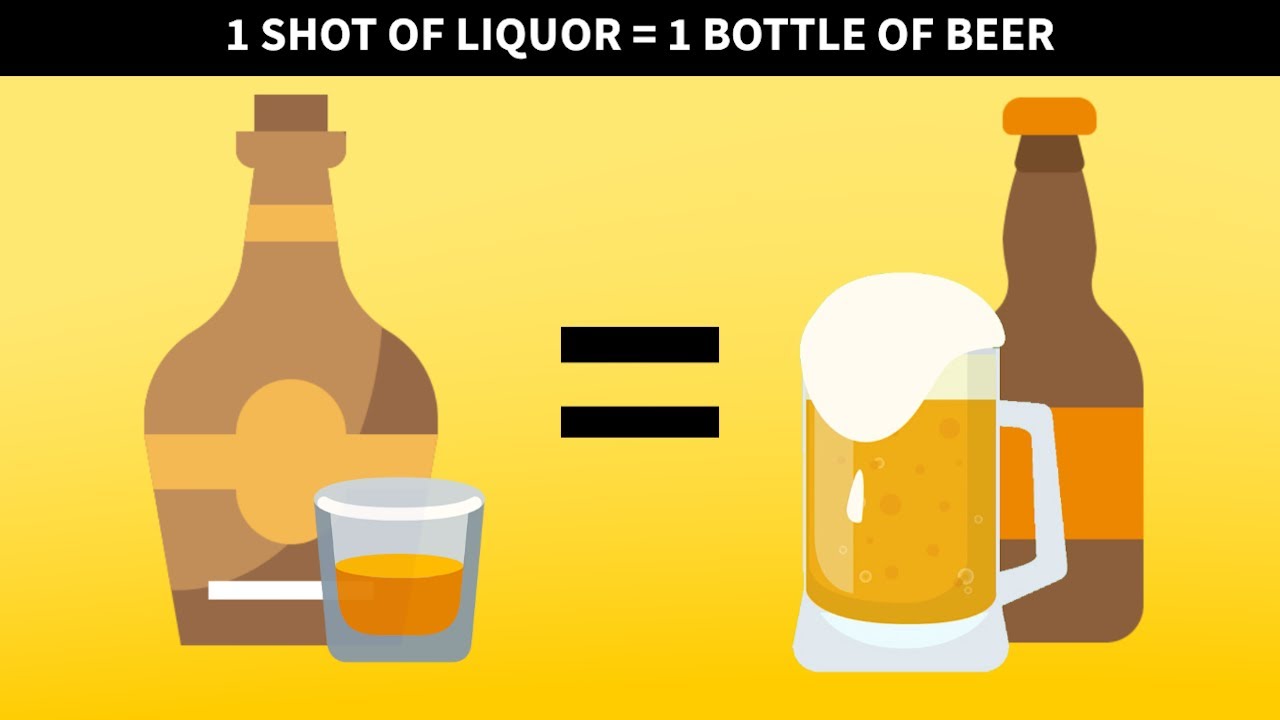
- Understanding Alcohol Content: How Many Beers Equals a Bottle of Wine?
- The Science Behind Alcohol: Comparing Beer and Wine
- Calculating Equivalent Alcohol Units: Beer vs. Wine
- Factors Influencing Alcohol Equivalence: Beer Types and Wine Varieties
- Practical Examples: How Many Beers Are in a Standard Bottle of Wine?
Understanding Alcohol Content: How Many Beers Equals a Bottle of Wine?
When it comes to understanding alcohol content, its essential to compare different beverages to gauge how they affect our bodies. A common question many people have is, "How many beers equal a bottle of wine?" To answer this, we first need to look at the standard measurements of alcohol in both beer and wine.
Alcohol by Volume (ABV) is the key metric used to measure the strength of alcoholic beverages. Typically, most beers have an ABV ranging from 4% to 6%, while wine generally has a higher ABV, usually between 12% and 15%. For instance, if you consider a standard beer that has a 5% ABV, a 12-ounce serving contains approximately 0.6 ounces of pure alcohol. In contrast, a standard 750ml bottle of wine with a 13% ABV contains about 6.3 ounces of pure alcohol.
To put this into perspective, you can calculate how many beers are equivalent to a bottle of wine. If we take the average beer at 5% ABV, it would take around 10 to 12 beers to equal the alcohol content in a single bottle of wine. This means that while you may be consuming fewer beverages, the overall alcohol intake is significantly higher when opting for wine over beer.
Understanding these differences can help you make informed choices about your drinking habits. Its important to remember that moderation is key, regardless of the beverage you choose. By recognizing the alcohol content in your drinks, you can better manage your consumption and its effects on your health and well-being.
The Science Behind Alcohol: Comparing Beer and Wine
When it comes to understanding the science behind alcohol, beer and wine represent two of the most popular fermented beverages, each with unique characteristics and production processes. At the heart of both drinks lies the fermentation process, where yeast converts sugars into alcohol and carbon dioxide. However, the base ingredients and fermentation methods differ significantly, leading to distinct flavor profiles and health implications.
Ingredients and Fermentation Process
Beer is primarily made from four key ingredients: water, malted barley, hops, and yeast. The malting process involves soaking barley grains in water to initiate germination, followed by drying to halt the process. Hops, which are flowers from the hop plant, are added for bitterness and aroma, while yeast ferments the sugars extracted from the malt, resulting in a lower alcohol content typically ranging from 4% to 6% ABV (Alcohol by Volume).
In contrast, wine is crafted from fermented grapes, which contain natural sugars that vary depending on the grape variety. The fermentation of wine can occur with or without the grape skins, leading to red, white, or rosé wines. The alcohol content in wine generally ranges from 9% to 16% ABV, influenced by factors such as grape type and fermentation duration. The complexity of wine flavors is further enhanced by the aging process, which can occur in barrels or bottles, allowing the wine to develop richer and more nuanced profiles over time.
Nutritional Components and Health Implications
Both beer and wine contain various compounds that contribute to their flavor and potential health benefits. Beer is often rich in B vitamins, such as riboflavin and niacin, as well as minerals like magnesium and selenium. Additionally, the presence of antioxidants from hops and barley can provide some health benefits, such as reducing inflammation.
Wine, particularly red wine, is well-known for its high levels of resveratrol, a powerful antioxidant found in grape skins. Studies have suggested that moderate wine consumption may be associated with heart health and reduced risk of certain diseases. However, its essential to consider that excessive alcohol consumption can lead to adverse health effects, regardless of the type of beverage consumed.
In summary, while both beer and wine are enjoyed worldwide and share the commonality of fermentation, their distinct ingredients, fermentation processes, and nutritional components contribute to their unique identities and health implications. Understanding these differences can enhance appreciation for these beverages and inform responsible consumption practices.
Calculating Equivalent Alcohol Units: Beer vs. Wine
When it comes to understanding alcohol consumption, its essential to compare different beverages accurately. Beer and wine, two of the most popular alcoholic drinks, contain varying levels of alcohol by volume (ABV), which directly affects the number of alcohol units consumed. The concept of alcohol units helps individuals gauge their intake and make informed choices.
To calculate the equivalent alcohol units in beer and wine, you can use the following formulas:
For Beer:
- Alcohol Units = (ABV x Volume in ml) / 1000
For example, a pint (approximately 568 ml) of beer with an ABV of 4% would have:
- (4 x 568) / 1000 = 2.27 units
For Wine:
- Alcohol Units = (ABV x Volume in ml) / 1000
For a standard glass (approximately 175 ml) of wine with an ABV of 12%, the calculation would be:
- (12 x 175) / 1000 = 2.1 units
Understanding these calculations is crucial for responsible drinking. While a pint of beer and a glass of wine may seem different in serving size, their alcohol content can be surprisingly similar. This knowledge empowers consumers to make better choices regarding their drinking habits and stay within recommended guidelines for alcohol consumption.
Additionally, it’s important to note that various styles of beer and wine can have significantly different ABV levels. For instance, craft beers may have higher alcohol content than standard lagers, while dessert wines can exceed the ABV of regular table wines. Always check the label for accurate ABV percentages to ensure you are calculating your alcohol units correctly.
Factors Influencing Alcohol Equivalence: Beer Types and Wine Varieties
When discussing the factors influencing alcohol equivalence, its essential to understand the distinct characteristics of various beer types and wine varieties. Each category has its unique alcohol by volume (ABV) percentage, which plays a significant role in determining how much alcohol is consumed with each serving. This equivalence is crucial for responsible drinking and understanding the effects of alcohol on the body.
Beer Types and Their Alcohol Content
The alcohol content in beer can vary widely based on its style. Here are some common beer types and their typical ABV ranges:
- Lager: Generally ranges from 4% to 6% ABV, making it one of the most popular beer styles.
- Ales: These can have a higher ABV, typically between 5% and 8%, with some strong ales reaching upwards of 12%.
- Stouts and Porters: Often characterized by their rich flavors, these beers can have an ABV ranging from 4% to over 10%.
- IPAs (India Pale Ales): Known for their hoppy flavors, IPAs usually have an ABV between 5% and 7.5%, though double IPAs can exceed 10%.
Wine Varieties and Their Alcohol Content
Similarly, wine varieties also display a diverse range of alcohol content, which is influenced by factors such as grape type, fermentation process, and region of production. Below are some common wine types and their ABV ranges:
- Red Wines: Typically contain between 12% and 15% ABV, with bold varieties like Cabernet Sauvignon often on the higher end.
- White Wines: Generally range from 11% to 14% ABV, with sweet wines often having lower alcohol content.
- Sparkling Wines: Usually fall between 10% and 12% ABV, with Champagne often sitting around 12%.
- Dessert Wines: These can have higher alcohol levels, sometimes exceeding 20% ABV, due to the addition of spirits during fermentation.
Understanding these differences in alcohol content is vital for calculating alcohol equivalence between beer and wine. This knowledge allows consumers to make informed choices about their drinking habits and helps in adhering to recommended alcohol guidelines. The diversity of beer types and wine varieties illustrates how nuanced the world of alcohol can be, impacting both flavor and effects on the body.
Practical Examples: How Many Beers Are in a Standard Bottle of Wine?
When considering the alcohol content in different beverages, its essential to understand how many beers are equivalent to a standard bottle of wine. A standard bottle of wine typically contains 750 milliliters (ml) of liquid, which equates to about 5 servings of wine, assuming a serving size of 5 ounces (148 ml) per glass. In terms of alcohol by volume (ABV), most wines range from 12% to 15%, while standard beers usually contain around 4% to 6% ABV.
To make this comparison clearer, lets break down the alcohol content. A standard beer is generally 12 ounces (355 ml) with an average ABV of 5%. This means that a single beer contains about 0.6 ounces of pure alcohol. In contrast, a standard bottle of wine, with an average ABV of 13%, contains approximately 5.1 ounces of pure alcohol. Therefore, when we do the math:
- 1 bottle of wine (750 ml, 13% ABV) ≈ 5.1 ounces of alcohol
- 1 standard beer (12 oz, 5% ABV) ≈ 0.6 ounces of alcohol
- 5.1 ounces of alcohol ÷ 0.6 ounces of alcohol per beer ≈ 8.5 beers
This means that a standard bottle of wine contains roughly the equivalent of 8 to 9 standard beers in terms of pure alcohol content. It’s important to note that this conversion can vary slightly based on the specific wine and beer brands, as some wines have higher or lower ABV percentages. Additionally, craft beers often have higher alcohol content, which could alter this equivalency.
Understanding these practical examples is crucial for responsible drinking. When you opt for a bottle of wine, youre consuming a significantly higher amount of alcohol compared to just a couple of beers. This knowledge can help individuals make informed choices about their alcohol consumption, ensuring they stay within safe limits while enjoying their favorite beverages.
See all our content in the Sitemaps or in our Vip Cheers Webmaps!
You read complete How Many Beers Equal a Bottle of Wine? Find Out Here! See more about liqueurs here Wine.
Leave a Reply