
How Many Beers Equal a Bottle of Wine? Find Out Here!
How many beers is 1 bottle of wine?
When comparing the alcohol content of wine and beer, its essential to consider their respective serving sizes and alcohol by volume (ABV). A standard bottle of wine typically contains 750 milliliters (ml) of liquid, while a standard beer bottle or can usually contains 355 ml (12 ounces). To understand how many beers equal one bottle of wine, we need to look at the average ABV of both beverages.
Most wines have an ABV ranging from 12% to 15%, while beers generally have an ABV between 4% and 6%. For instance, if we take a wine with an ABV of 13% and compare it to a beer with an ABV of 5%, we can calculate the alcohol content in each. A 750 ml bottle of wine contains approximately 97.5 grams of pure alcohol, while a 355 ml beer with 5% ABV contains about 17.75 grams of alcohol.
To find out how many beers equal one bottle of wine, we can use the following formula:
- Alcohol in wine: 750 ml x 0.13 = 97.5 grams
- Alcohol in beer: 355 ml x 0.05 = 17.75 grams
- Number of beers: 97.5 grams / 17.75 grams ≈ 5.5 beers
Thus, one bottle of wine is roughly equivalent to about 5 to 6 beers, depending on the specific ABV of the wine and beer in question. This calculation highlights the significant difference in alcohol content between these two popular beverages, making it important to drink responsibly and be mindful of consumption levels.
Is a 6 pack of beer equal to a bottle of wine?
When comparing a 6 pack of beer to a bottle of wine, its essential to consider the alcohol content and serving sizes of both beverages. A standard bottle of wine typically contains 750 milliliters, while a 6 pack of beer usually consists of six 12-ounce cans or bottles, totaling 72 ounces (approximately 2.1 liters). This means that, in terms of volume, a 6 pack of beer significantly exceeds the amount found in a single bottle of wine.
In terms of alcohol by volume (ABV), beer generally has a lower ABV than wine. The average beer ranges from 4% to 6% ABV, while most wines fall between 12% and 15% ABV. To put this into perspective, let’s break down the alcohol content:
- 6 pack of beer:
- 12 oz beer x 6 = 72 oz
- Assuming 5% ABV: 72 oz x 0.05 = 3.6 oz of pure alcohol - Bottle of wine:
- 750 ml = 25.4 oz
- Assuming 13% ABV: 25.4 oz x 0.13 = 3.3 oz of pure alcohol
From this calculation, it becomes evident that a 6 pack of beer contains slightly more pure alcohol than a standard bottle of wine, despite the beer being consumed in smaller serving sizes. Therefore, while a 6 pack of beer has a greater total volume, the difference in alcohol content can lead to varying effects on the drinker. It’s important to note that personal tolerance and the rate of consumption will also influence how these beverages affect an individual.
Ultimately, while a 6 pack of beer is not equal to a bottle of wine in terms of volume, they are relatively comparable when it comes to alcohol content. Understanding these differences can help consumers make informed choices regarding their beverage selections.
How much wine is equal to 12 oz of beer?
When comparing alcoholic beverages, its essential to understand their alcohol content to determine equivalency. A standard 12 oz serving of beer typically contains around 4-6% alcohol by volume (ABV). To find an equivalent amount of wine, we must consider the average ABV of wine, which generally ranges from 12-15%.
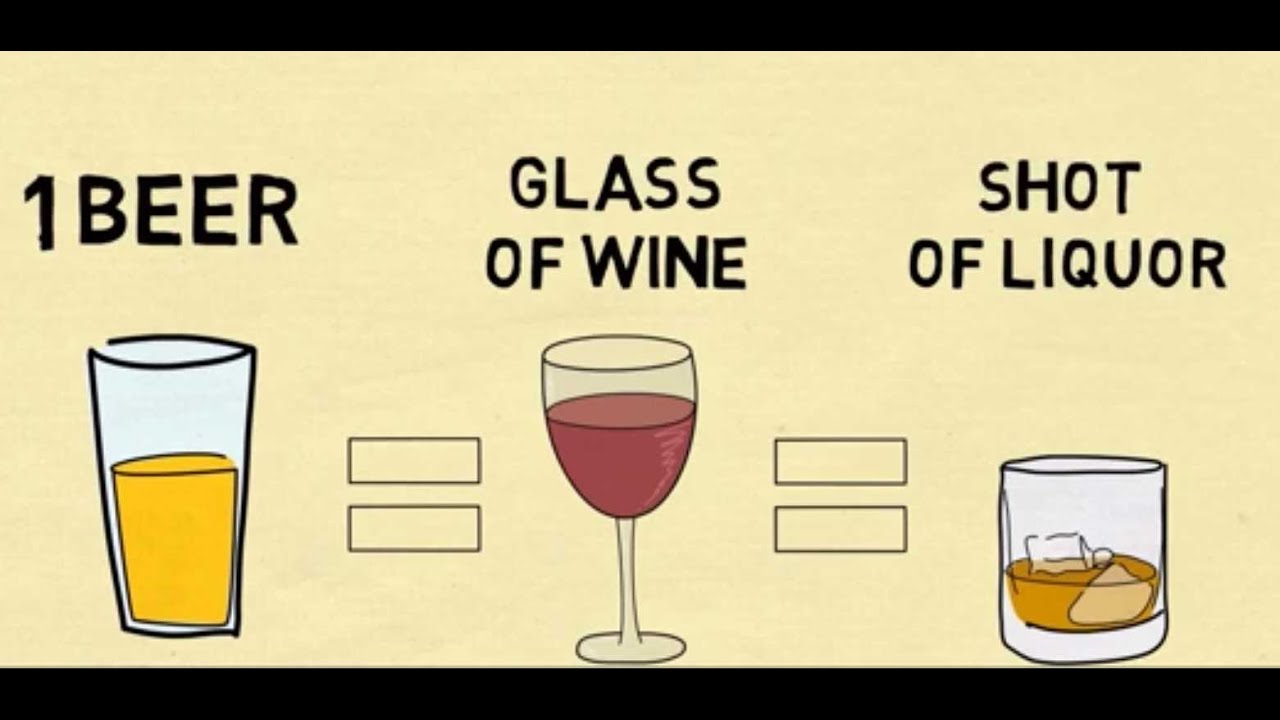
To make a straightforward comparison, lets use the average ABV of both beverages. For example, if we take a beer with an ABV of 5%, a 12 oz serving contains approximately 0.6 ounces of pure alcohol. In contrast, a wine with an ABV of 12% would mean that a 5 oz glass contains about 0.6 ounces of pure alcohol as well. Therefore, to match the alcohol content in 12 oz of beer, you would need to consume approximately 5 oz of wine.
If the wine has a higher ABV, such as 15%, then a smaller serving size would be required. In this case, a 4 oz glass of wine would contain about 0.5 ounces of pure alcohol, which is still comparable to the alcohol in a 12 oz beer with 5% ABV. Here’s a quick reference:
- 5% ABV beer: 12 oz = 5 oz of wine (12% ABV)
- 5% ABV beer: 12 oz = 4 oz of wine (15% ABV)
Understanding these conversions is crucial for responsible drinking and managing alcohol intake. Always remember to consider the specific ABV of the beer and wine you are consuming to ensure accurate comparisons.
Is drinking 2 bottles of wine a night an alcoholic?
Drinking two bottles of wine in a single night raises significant concerns about alcohol consumption and potential dependency. According to various health organizations, including the Centers for Disease Control and Prevention (CDC), heavy drinking is defined as consuming more than 8 drinks per week for women and more than 15 for men. With a standard bottle of wine containing approximately 5 glasses, consuming two bottles translates to around 10 glasses of wine, which exceeds these recommended limits for both genders.
Understanding Alcoholism
Alcoholism, or alcohol use disorder (AUD), is characterized by an inability to control drinking despite negative consequences. Signs that may indicate a person is struggling with alcohol dependence include:
- Increased tolerance to alcohol.
- Experiencing withdrawal symptoms when not drinking.
- Neglecting responsibilities or social activities in favor of drinking.
- Continued drinking despite health issues or relationship problems.
Drinking two bottles of wine nightly can lead to developing these patterns, as the body may begin to require more alcohol to achieve the same effects, thereby creating a cycle of increased consumption.
Health Risks and Concerns
Consuming large quantities of alcohol regularly can have serious health implications. These include:
- Increased risk of liver disease, including cirrhosis.
- Heightened likelihood of cardiovascular problems.
- Potential for mental health issues, such as depression and anxiety.
- Risk of developing certain cancers, including breast and liver cancer.
Furthermore, the social implications of drinking at this level can also be significant, affecting relationships and work performance, and potentially leading to isolation.
Ultimately, while not everyone who drinks two bottles of wine per night will be classified as an alcoholic, it certainly raises red flags about drinking habits and the potential for developing alcohol-related issues.
See all our content in the Sitemaps or in our Vip Cheers Webmaps!
You read complete How Many Beers Equal a Bottle of Wine? Find Out Here! See more about liqueurs here Wine.
Leave a Reply