
How Long Does an Open Bottle of Vodka Last? Expert Tips Inside
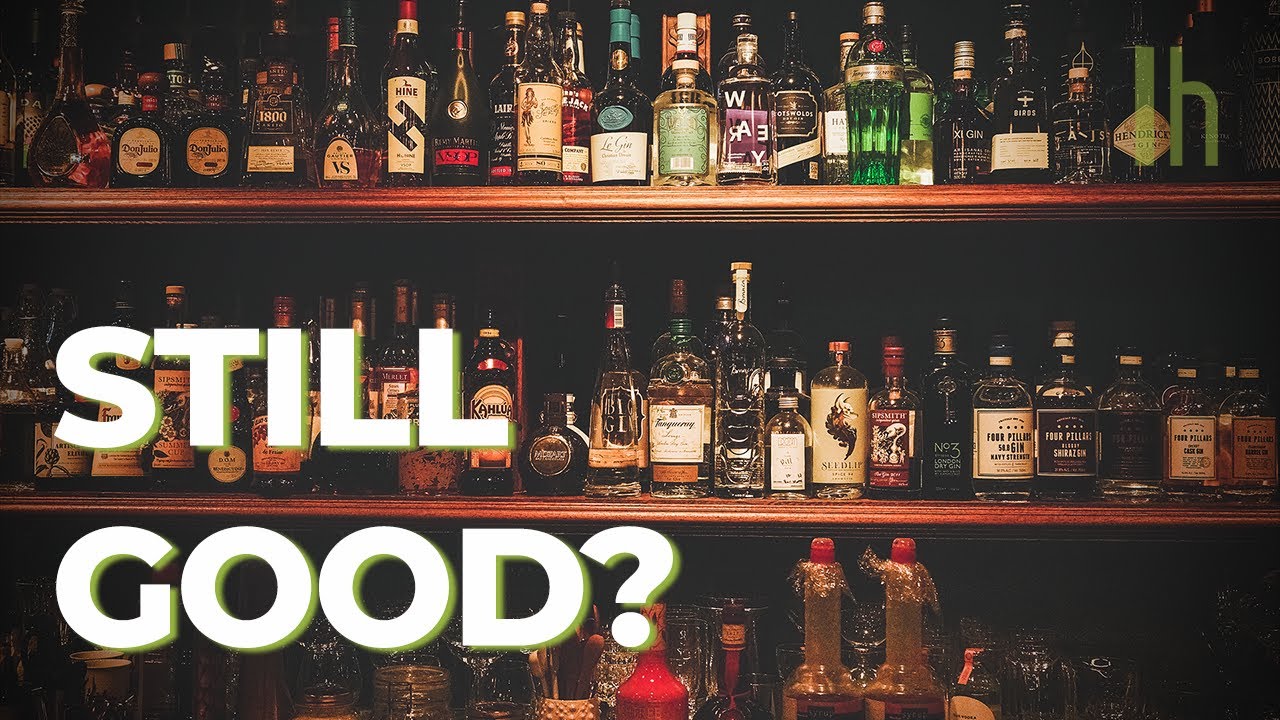
Understanding the Shelf Life of Opened Vodka
When it comes to the shelf life of opened vodka, many enthusiasts may be surprised to learn that this popular spirit has a remarkably long lifespan. Unlike other alcoholic beverages, vodka is distilled to a high proof, which significantly reduces the potential for spoilage. Typically, opened vodka can maintain its best quality for 3 to 5 years when stored properly. However, its flavor profile may gradually change over time, especially after the bottle has been exposed to air.
To maximize the shelf life of your opened vodka, consider the following storage tips:
- Keep it sealed: Always ensure the cap is tightly secured after use to limit air exposure.
- Avoid direct sunlight: Store vodka in a cool, dark place to prevent degradation from UV light.
- Maintain a consistent temperature: Fluctuations in temperature can affect the spirits integrity; aim for a stable environment.
While vodka does not spoil in the traditional sense, its taste and aroma can deteriorate over time. This is primarily due to oxidation, which occurs when the spirit is exposed to air. If you notice any changes in flavor or if the vodka develops an unusual odor, it may be time to reconsider its use. In most cases, however, vodka remains safe to consume long after it has been opened, as long as it has been stored properly.
Its also worth noting that flavored vodkas may have a shorter shelf life compared to their unflavored counterparts. The additional ingredients in flavored varieties can introduce sugars and other compounds that may alter their longevity. As a general rule, always check for any signs of spoilage or off-flavors before indulging in your favorite vodka cocktail.
Factors That Influence the Longevity of Open Vodka
When it comes to the longevity of open vodka, several key factors play a significant role in determining how long this popular spirit maintains its quality. Understanding these factors can help vodka enthusiasts enjoy their favorite drink at its best for an extended period.
Storage Conditions
The way vodka is stored greatly affects its shelf life. Vodka should be kept in a cool, dark place, away from direct sunlight and temperature fluctuations. Exposure to light and heat can lead to chemical reactions that may alter the flavor and aroma of the vodka. A tightly sealed bottle can also help prevent oxidation, which can degrade the quality over time. Ideally, vodka should be stored upright to minimize any contact with the cork or cap, which can introduce impurities.
Alcohol Content
Another important factor influencing the longevity of open vodka is its alcohol content. Vodka typically has a high alcohol by volume (ABV), usually around 40%. This high alcohol concentration acts as a natural preservative, allowing vodka to remain stable for years after opening. However, lower ABV vodkas may not last as long, as they are more susceptible to changes in flavor and quality once exposed to air.
Ingredients and Additives
The ingredients and any additives used in vodka production can also impact its shelf life. Flavored vodkas, for instance, may have a shorter lifespan due to the presence of natural flavors and sugars that can deteriorate over time. Conversely, premium, pure vodkas without additives generally last longer, as they are less likely to undergo significant changes in flavor. It’s essential to pay attention to the label and understand the composition of the vodka to gauge its longevity accurately.
By considering these factors, vodka drinkers can ensure they enjoy their spirits at their best, maximizing the experience with every sip.
How to Store Opened Vodka for Maximum Freshness
To maintain the freshness and quality of your opened vodka, it’s essential to store it properly. Vodka, unlike some other spirits, does not age or improve in flavor after being bottled. Therefore, following a few simple storage guidelines can help preserve its original taste and aroma for an extended period.
Choose the Right Location
When storing opened vodka, opt for a cool, dark place away from direct sunlight and temperature fluctuations. A cupboard or pantry is ideal, as exposure to light and heat can cause the vodka to deteriorate more quickly. Keeping the bottle upright is also crucial, as it minimizes the chances of the cork degrading or contaminants entering the bottle.
Seal It Tight
After each use, ensure that the cap or cork is securely fastened. A tight seal prevents air from entering the bottle, which can lead to oxidation and spoilage over time. If your vodka has a screw cap, ensure its fully tightened. For corked bottles, consider using a wine stopper to create an airtight seal, which can further enhance the longevity of your vodka.
Consider the Bottle Size
If you have a large bottle of vodka that you dont consume frequently, consider transferring some of it into a smaller bottle. This reduces the amount of air in the container, which can help maintain the vodka’s freshness. Remember, the less air exposure, the better the preservation of flavor and quality.
By following these simple steps, you can enjoy your vodka at its best, ensuring that each pour is as refreshing as the first.
Signs That Your Open Vodka Has Gone Bad
When it comes to spirits like vodka, shelf life can be quite long, but once opened, its essential to be aware of signs that indicate it may have gone bad. Unlike other liquors, vodka doesnt spoil in the traditional sense, but its quality can deteriorate over time. Here are some signs to watch for:
1. Unusual Odor
One of the most telling signs that your open vodka has gone bad is an unusual or off-putting odor. Fresh vodka should have a neutral scent, but if you notice a sour or rancid smell, it’s a clear indication that the vodka has degraded. The presence of a strong, chemical-like aroma can also signal that the vodka is no longer suitable for consumption.
2. Change in Appearance
The appearance of vodka can also provide clues about its quality. Although vodka is typically crystal clear, if you see any cloudiness, sediment, or discoloration, it may indicate contamination or spoilage. These changes can occur due to exposure to air or light, which can affect the vodkas integrity over time.
3. Off Taste
If youve noticed no visual or olfactory signs but are unsure about the quality of your vodka, a taste test can help. Pour a small amount and take a sip; if it tastes harsh, bitter, or otherwise unpleasant, its best to err on the side of caution and discard it. Vodka that has gone bad may not have the smooth finish it once did, leading to a less enjoyable drinking experience.
4. Expiration Date Considerations
While vodka doesnt have a strict expiration date, its wise to consider how long it has been since you opened the bottle. If it has been several years and you havent stored it properly, such as in a cool, dark place, the chances of deterioration increase. Always check the bottles condition and storage history to determine its viability.
By being vigilant about these signs, you can ensure that your vodka remains enjoyable and safe to drink.
FAQs: How Long Does an Open Bottle of Vodka Last?
When it comes to the shelf life of an open bottle of vodka, the good news is that vodka is a distilled spirit with a high alcohol content, which helps preserve its quality over time. Typically, an open bottle of vodka can last for an extended period, often up to 10 years or more, if stored properly. However, the exact duration may depend on various factors, including the storage conditions and the type of vodka.
To maximize the longevity of your open vodka, consider the following tips:
- Store in a cool, dark place: Exposure to light and heat can degrade the quality of vodka, so its best to keep it in a cabinet or a liquor cabinet away from direct sunlight.
- Seal tightly: Ensure that the bottle is closed tightly after each use to minimize the amount of air that enters the bottle, which can lead to oxidation and affect the flavor.
- Avoid temperature fluctuations: Keeping vodka at a stable temperature helps maintain its integrity. Avoid moving the bottle between hot and cold environments.
While vodka doesnt spoil in the traditional sense, its flavor profile may change over time. Factors such as exposure to air and improper storage can lead to a duller taste or a slight change in aroma. Therefore, its essential to be mindful of how you store your vodka to enjoy it at its best. Additionally, flavored vodkas may have a shorter shelf life compared to unflavored varieties due to the added ingredients, which can alter their stability over time.
See all our content in the Sitemaps or in our Vip Cheers Webmaps!
You read complete How Long Does an Open Bottle of Vodka Last? Expert Tips Inside See more about liqueurs here Vodka.
Leave a Reply