
How Is Gin Different from Vodka? A Comprehensive Guide
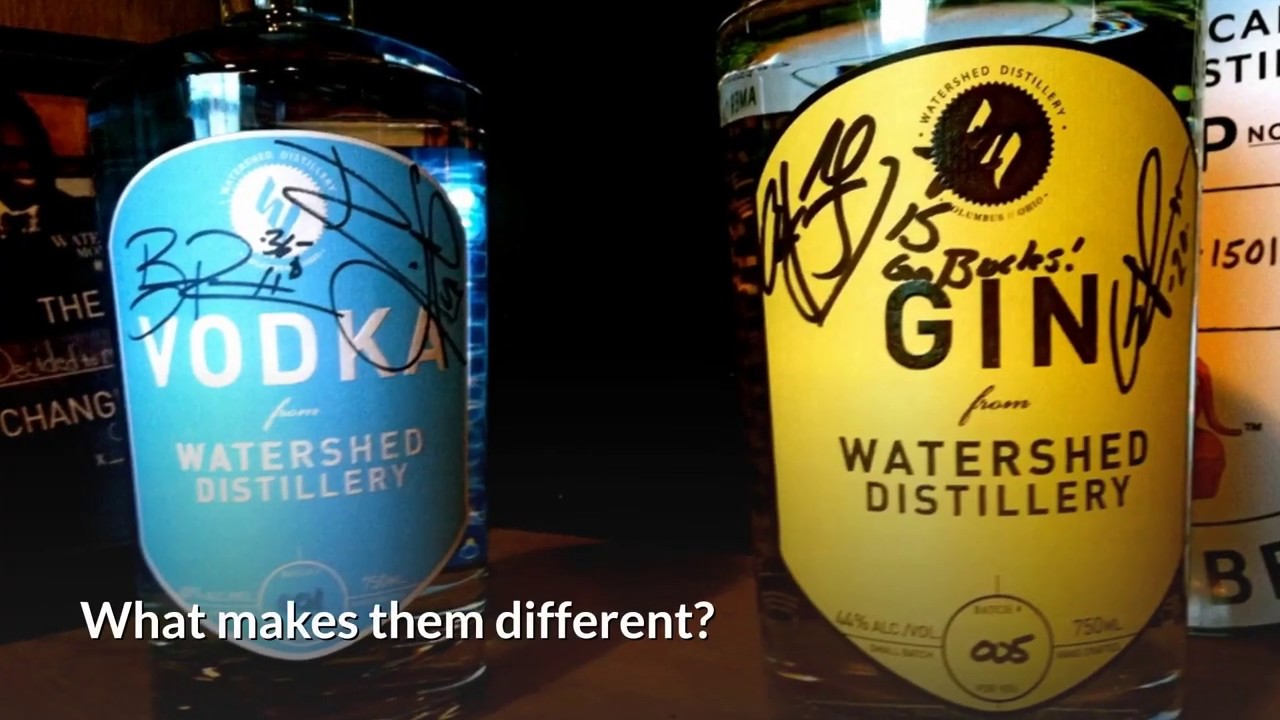
Which is stronger gin or vodka?
When comparing the strength of gin and vodka, it is essential to consider their alcohol by volume (ABV) percentages. Both spirits typically range between 35% and 50% ABV, depending on the brand and style. However, vodka is often distilled to a higher purity, which can lead to a more potent drink. Standard vodka generally has an ABV of around 40%, while gin also averages around 40% but can vary more widely due to the addition of botanical flavors.
Factors Influencing Strength:
- Distillation Process: Vodka is usually distilled multiple times, resulting in a cleaner and stronger spirit.
- Botanicals in Gin: The infusion of botanicals in gin can dilute the alcohol content, sometimes resulting in a lower ABV.
- Brand Variations: Different brands produce variations in strength; for example, some craft gins can be significantly stronger than typical vodkas.
In terms of flavor and aroma, gin and vodka serve different purposes in cocktails and drinking experiences. Vodkas neutral profile allows it to mix seamlessly into various drinks, while gins herbal and floral notes can add depth and complexity. Although both spirits can be strong, the perception of strength also depends on the drinkers experience and the context in which they are consumed.
Ultimately, while vodka may have a slight edge in terms of potential strength due to its distillation process, gins unique characteristics and variability can make it just as compelling. Whether one is stronger than the other can depend on the specific product and how it is enjoyed.
Why does gin not give you a hangover?
When it comes to alcoholic beverages, gin often gets a reputation for being a lighter option that supposedly leads to fewer hangovers. One of the primary reasons for this perception is its composition. Gin is primarily made from distilled grains and botanicals, with juniper berries being the most prominent flavoring agent. This means that gin typically has a lower level of congeners compared to darker spirits. Congeners are chemical byproducts of fermentation that can contribute to hangover symptoms, such as headaches and nausea.
Lower congener content is a significant factor in why gin might be easier on the body. Darker liquors like whiskey and rum contain higher levels of congeners, which can lead to more severe hangover symptoms. The clear, distilled nature of gin means it has fewer impurities, making it a preferable choice for those who want to enjoy a drink without the fear of waking up with a pounding headache.
Additionally, the mixing of gin with lighter mixers, such as tonic water or soda, can also play a role in minimizing hangover effects. Many gin cocktails are made with these low-sugar mixers, which can help maintain hydration levels and reduce the likelihood of dehydration—a common cause of hangovers. Staying hydrated is crucial when consuming alcohol, and gins typical mixers often contain less sugar than the sugary cocktails that can exacerbate hangover symptoms.
Lastly, individual tolerance and drinking habits can influence the hangover experience. People who enjoy gin often consume it in moderation, which naturally lowers the risk of overindulgence and subsequent hangover. The social context in which gin is typically enjoyed—often in cocktails or as a refreshing drink—also encourages a more mindful drinking experience, further reducing the chances of waking up with hangover symptoms the next day.
Is gin just vodka with herbs?
Gin and vodka are both distilled spirits, but they are distinctly different in terms of production, flavor, and ingredients. While it may be tempting to think of gin as simply vodka infused with herbs, the reality is more complex. The primary distinction lies in the botanical ingredients used during the distillation process, particularly juniper berries, which give gin its unique flavor profile.
Understanding the Distillation Process
Both gin and vodka start with a base of fermented grains or other sugars, but the distillation process diverges significantly:
- Vodka: Typically distilled multiple times to achieve a high level of purity and smoothness, vodka is known for its neutral flavor. The goal is to create a clean spirit that can serve as a versatile base for cocktails.
- Gin: After the initial distillation, gin undergoes a second distillation where botanicals—most importantly, juniper—are added. This process extracts essential oils and flavors, resulting in a spirit that is aromatic and complex.
The Role of Botanicals in Gin
The botanicals used in gin extend beyond juniper and can include a variety of herbs, spices, and fruits. Common botanicals found in gin include:
- Coriander: Adds citrus and spice notes.
- Angelica Root: Contributes earthy flavors and acts as a binding agent for other botanicals.
- Citrus Peel: Provides a fresh, zesty aroma.
- Cardamom: Offers a warm, aromatic quality.
These ingredients create a diverse range of flavors in gin, making it far more complex than just a herbal-infused vodka. Each gin brand has its own secret recipe, resulting in a wide array of taste experiences that reflect regional influences and the creativity of the distillers.
Is gin the worst alcohol for your liver?
When it comes to liver health, the type of alcohol consumed can have varying effects. Gin, like other spirits, contains a high concentration of alcohol, which can be detrimental to liver function if consumed in excess. However, categorizing gin as the "worst" alcohol for your liver may not be entirely accurate. The impact of gin on liver health largely depends on several factors, including the quantity consumed, frequency of consumption, and individual health conditions.
One important aspect to consider is the alcohol content in gin. Typically, gin has an alcohol by volume (ABV) of around 40%, similar to other distilled spirits. High alcohol consumption can lead to liver damage, regardless of the type of alcoholic beverage. Some of the potential effects of excessive gin consumption on the liver include:
- Fatty liver disease
- Alcoholic hepatitis
- Cirrhosis
- Liver cancer
Another factor to examine is the mixers often used with gin. Many cocktails made with gin can contain high amounts of sugar and other additives, which may also pose risks to liver health. Therefore, while gin itself is not inherently worse than other types of alcohol, the way it is consumed can influence its impact on the liver. For instance, a gin and tonic with high sugar content may contribute to liver strain more than gin consumed neat or with low-calorie mixers.
Ultimately, moderation is key. Regularly drinking gin—or any alcohol—beyond recommended guidelines can lead to serious liver health issues. Its crucial to be aware of your overall alcohol intake and its implications on your liver, as well as to consider personal health factors that may heighten your risk for liver-related complications.
See all our content in the Sitemaps or in our Vip Cheers Webmaps!
You read complete How Is Gin Different from Vodka? A Comprehensive Guide See more about liqueurs here Vodka.
Leave a Reply