
How Big Is a Whiskey Barrel? Size, Capacity, and Facts
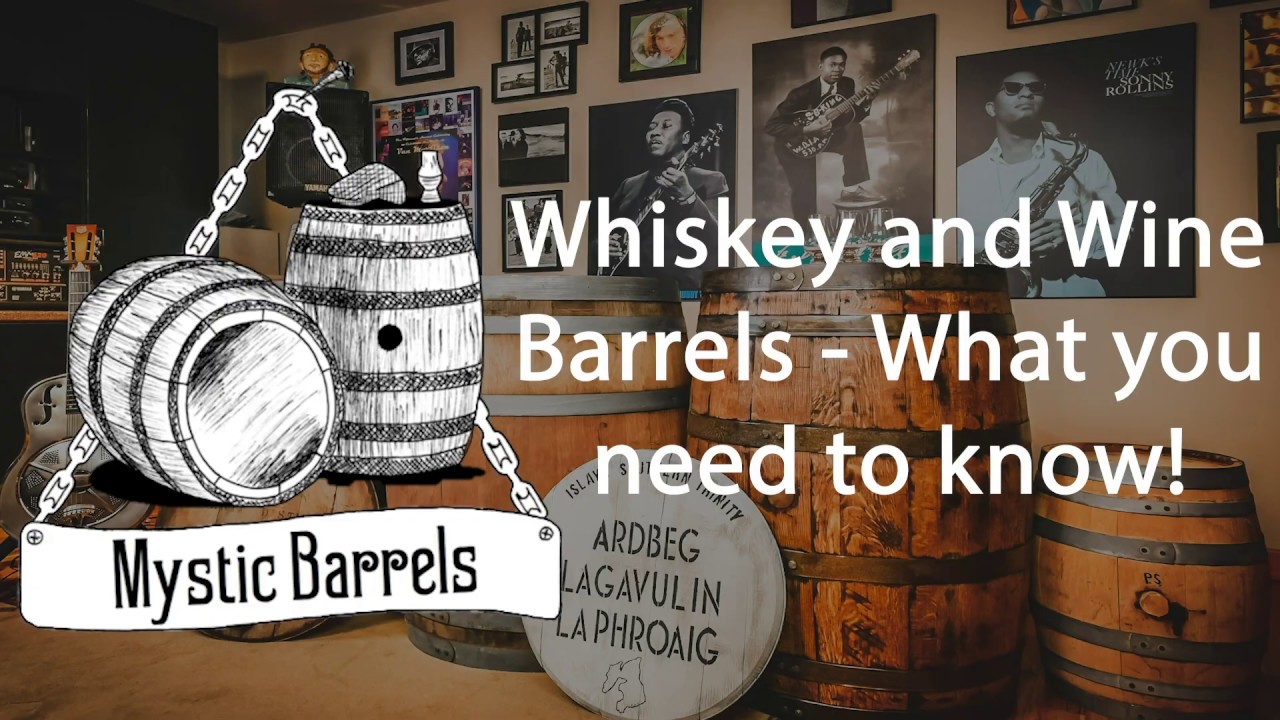
How big is a full-size whiskey barrel?
A full-size whiskey barrel typically holds around 53 gallons (200 liters) of liquid. This standard size, known as the American Standard Barrel (ASB), is predominantly used in the production of bourbon and many other types of whiskey. The dimensions of a full-size barrel are approximately 30 inches in height and 24 inches in diameter at the widest point. These dimensions are designed to optimize the interaction between the whiskey and the wood, allowing for the extraction of flavors and color during the aging process.
The size of a whiskey barrel plays a crucial role in the aging process. A larger barrel provides more surface area for the whiskey to interact with the charred oak, leading to a more complex flavor profile. Conversely, smaller barrels tend to age whiskey more quickly due to the higher ratio of wood to liquid, which can result in a more intense flavor. However, the full-size barrel remains the industry standard because it strikes a balance between flavor development and maturation time.
In addition to the standard size, whiskey barrels can come in various shapes and sizes, such as quarter casks and hogsheads, which typically hold 10 to 15 gallons and 63 gallons, respectively. Each of these sizes contributes uniquely to the aging process, but the full-size whiskey barrel remains the most widely used in commercial distilleries.
When considering the size of a whiskey barrel, it is also important to note the weight. An empty full-size barrel weighs approximately 100 pounds, while a filled barrel can weigh over 500 pounds. This significant weight reflects the dense nature of the liquid and the sturdy construction of the barrel itself, often made from American white oak, which is prized for its durability and flavor contributions.
How much does a 53 gallon whiskey barrel weigh?
When considering the weight of a 53-gallon whiskey barrel, several factors come into play, including the type of wood used, the level of moisture in the barrel, and whether it is empty or full. A typical empty 53-gallon whiskey barrel generally weighs around 100 to 120 pounds (45 to 54 kg). The weight is primarily attributed to the solid oak wood construction, which is designed to withstand the aging process of whiskey.
When filled with whiskey, the weight of the barrel significantly increases. A full 53-gallon barrel can weigh approximately 500 to 600 pounds (227 to 272 kg). This weight comes from the liquid inside, as whiskey has a density similar to water. Since a gallon of liquid weighs about 8.34 pounds (3.78 kg), the total weight of the liquid alone contributes significantly to the overall weight of the filled barrel.
The weight of the barrel can also vary based on the specific characteristics of the wood used. For example, barrels made from American oak tend to be heavier due to their denser structure compared to barrels made from European oak. Additionally, the construction techniques and the thickness of the staves can also influence the overall weight of the barrel.
Its important to note that when transporting or storing 53-gallon whiskey barrels, their substantial weight must be considered. Proper handling and equipment are essential to manage these heavy barrels, especially when they are full. Understanding the weight of these barrels is crucial for distillers, distributors, and enthusiasts alike, ensuring safe and efficient management throughout the whiskey production and aging process.
What is a normal whisky barrel size?
When it comes to whisky production, the size of the barrel plays a crucial role in the aging process and the flavor profile of the final product. The most common size for a whisky barrel is the American standard barrel, which holds approximately 53 gallons (or 200 liters) of liquid. This size has become the industry standard, particularly in the United States, and is widely used for aging bourbon and other types of whisky.
In addition to the American standard barrel, there are several other barrel sizes used in whisky production, each with its unique characteristics. Here are some notable sizes:
- Quarter cask: Holds around 13 gallons (50 liters) and is often used for faster maturation due to its higher surface area-to-volume ratio.
- Hogshead: Typically holds 63 to 66 gallons (around 238 to 250 liters) and is commonly used in Scotch whisky production.
- Sherry cask: Usually holds 50 gallons (190 liters) and is frequently employed to impart rich flavors to whisky, particularly in Scotch.
The choice of barrel size not only influences the whiskys flavor but also its interaction with the wood, which can affect the color and aroma. Larger barrels, such as hogsheads, tend to have a slower maturation process, allowing for a more subtle extraction of flavors from the wood. Conversely, smaller barrels like quarter casks can accelerate aging and create a more intense flavor profile due to the increased contact between the whisky and the wood.
Understanding the standard sizes and their implications is essential for both producers and enthusiasts alike, as it provides insight into the whiskys development and the craftsmanship involved in its creation.
What is a standard barrel size?
When discussing barrel sizes, its essential to understand that the term "standard barrel" can vary based on the industry and the type of liquid being stored or transported. In the context of the petroleum industry, a standard barrel size is typically defined as 42 US gallons, which is approximately 159 liters. This measurement has become a benchmark for crude oil and is widely used in trade and commerce.
In the world of brewing and distilling, barrel sizes can differ significantly. For example, a standard beer barrel is often referred to as a "keg," with common sizes including the half-barrel (15.5 gallons or 58.67 liters) and the quarter-barrel (7.75 gallons or 29.33 liters). In the whiskey industry, the standard barrel size is usually 53 gallons (approximately 200 liters), which is commonly referred to as a "bourbon barrel." These variations highlight the importance of specifying the type of barrel when discussing size.
When examining barrel sizes across different sectors, it is helpful to note the following common measurements:
- Oil Barrel: 42 US gallons (159 liters)
- Beer Half-Barrel: 15.5 US gallons (58.67 liters)
- Beer Quarter-Barrel: 7.75 US gallons (29.33 liters)
- Whiskey Barrel: 53 US gallons (200 liters)
Understanding the standard barrel sizes is crucial for industries involved in storage, transport, and production. These measurements not only influence pricing and logistics but also impact the overall production processes in sectors such as oil, brewing, and distilling. Therefore, knowing the specific standard barrel size relevant to your industry can lead to more efficient operations and better decision-making.
How much whiskey is in a barrel?
When it comes to whiskey production, one of the most common questions is, "How much whiskey is in a barrel?" The answer primarily depends on the size of the barrel used in the aging process. Typically, a standard whiskey barrel holds about 53 gallons (approximately 200 liters) of liquid. This volume is the most widely recognized in the whiskey industry, especially in the United States, where the standard American oak barrel is commonly used.
Types of Whiskey Barrels
There are various types of barrels used in whiskey production, and each can hold different amounts of liquid. Here are some common types:
- Standard American Oak Barrel: 53 gallons (200 liters)
- European Oak Barrel: 50 to 60 gallons (190 to 227 liters)
- Quarter Cask: 12 to 15 gallons (45 to 57 liters)
- Half Barrel: 26 to 30 gallons (98 to 114 liters)
The choice of barrel not only affects the quantity of whiskey produced but also influences the flavor profile of the whiskey itself. For instance, barrels made from American oak often impart sweeter notes, while European oak barrels may contribute spicier, more complex flavors.
Factors Influencing Barrel Capacity
Several factors can influence the amount of whiskey a barrel can contain. These include:
- Barrel Construction: Variations in barrel thickness and construction methods can slightly affect capacity.
- Evaporation: As whiskey ages, some liquid is lost to evaporation, known as the "angels share," which can reduce the effective amount of whiskey in the barrel over time.
- Fill Level: Distillers may choose to fill barrels to different levels, which can also impact the final yield.
Understanding how much whiskey is in a barrel is essential for distillers, as it affects production planning, aging processes, and ultimately the quality of the final product.
See all our content in the Sitemaps or in our Vip Cheers Webmaps!
You read complete How Big Is a Whiskey Barrel? Size, Capacity, and Facts See more about liqueurs here Whisky.
Leave a Reply