
Best Good Dry White Wine for Cooking: Top Picks & Tips
What Makes a Good Dry White Wine for Cooking?
When it comes to selecting a dry white wine for cooking, several key factors come into play. A good cooking wine should have a balanced flavor profile, acidity, and the ability to complement the dish without overpowering it. Acidity is particularly important, as it helps to brighten flavors and enhance the overall taste of the dish. Wines with a higher acidity level, such as Sauvignon Blanc or Pinot Grigio, are often favored for their ability to cut through rich sauces and elevate the freshness of ingredients.
Another essential characteristic is the aromatic complexity of the wine. A good dry white wine should possess a range of aromas that can add depth to your culinary creations. Look for wines that exhibit fruity, floral, or herbal notes, which can enrich the flavors of the dish. For instance, a wine with citrus notes can enhance seafood dishes, while those with herbal undertones can elevate vegetable-based recipes.
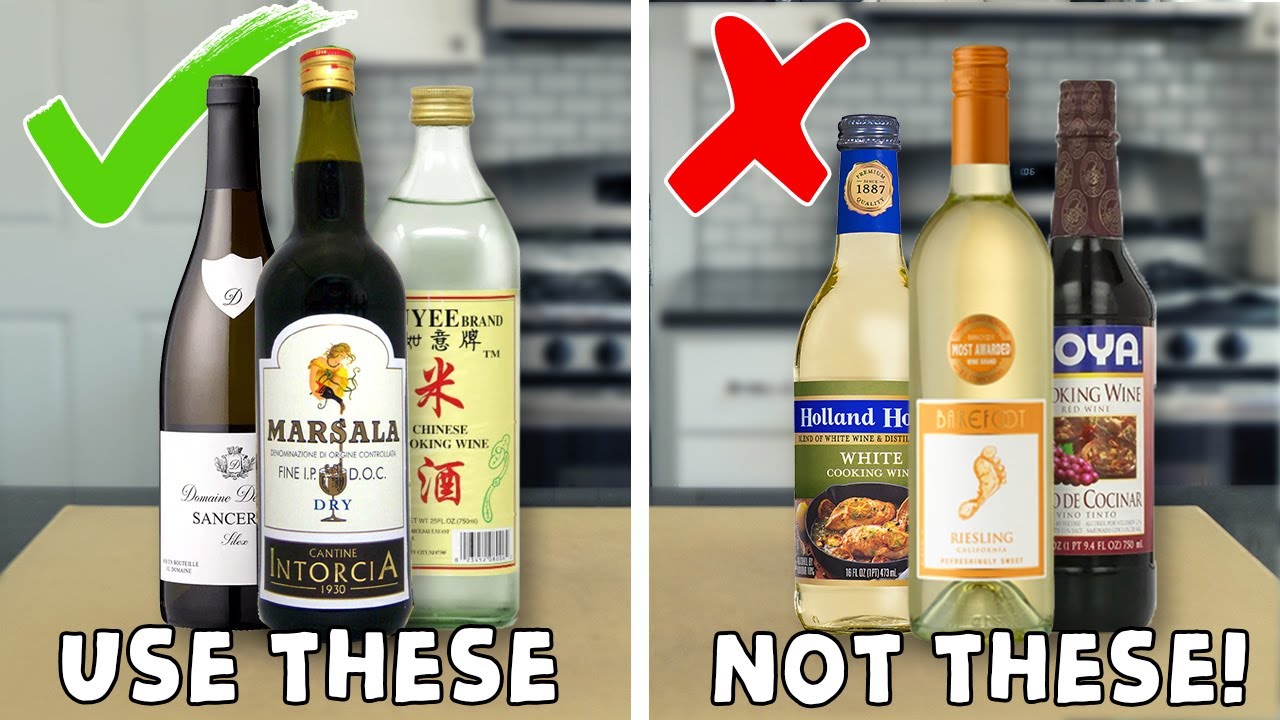
In addition to flavor and aroma, the quality of the wine matters significantly. While it may be tempting to use inexpensive cooking wines, these often contain added salt and preservatives that can negatively impact the final dish. Instead, opt for a bottle of dry white wine that you would enjoy drinking. This not only ensures better flavor but also contributes to a more authentic cooking experience. Aim for wines in the $10-$20 range, which typically offer a good balance of quality and affordability.
Lastly, consider the region and varietal of the wine. Different regions produce distinct styles of dry white wines, each with unique characteristics. For example, a dry Riesling from Germany may offer a different profile compared to a French Chardonnay. Familiarizing yourself with various varietals can help you choose a wine that best complements the specific ingredients and cooking techniques you plan to use.
Top 5 Good Dry White Wines Recommended for Cooking
When it comes to cooking, selecting the right dry white wine can enhance the flavors of your dishes and elevate your culinary creations. Here are the top 5 good dry white wines recommended for cooking that will bring out the best in your recipes.
1. Sauvignon Blanc
Sauvignon Blanc is a versatile and aromatic wine that adds brightness and acidity to a variety of dishes. Its crisp profile works exceptionally well in seafood recipes, poultry, and light pasta dishes. The zesty notes of citrus and green herbs can elevate the flavors of your cooking, making it a favorite among chefs.
2. Chardonnay
Chardonnay, particularly the unoaked variety, is another excellent choice for cooking. Its balanced acidity and fruit-forward flavors make it ideal for creamy sauces, risottos, and braised meats. When using Chardonnay in your recipes, its rich texture can help create a luxurious mouthfeel in your dishes.
3. Pinot Grigio
Known for its light and refreshing characteristics, Pinot Grigio is perfect for lighter fare. This wine is an excellent choice for cooking vegetables, seafood, and chicken dishes where you want to maintain a delicate flavor profile. Its crisp acidity can also help to brighten up sauces and marinades.
4. Vermentino
Vermentino is a lesser-known wine that offers a unique flavor profile, making it a fantastic option for cooking. With its herbal and citrus notes, it pairs beautifully with Mediterranean dishes, seafood, and grilled vegetables. Its vibrant acidity can help to cut through rich flavors, making it an ideal addition to sauces and dressings.
5. Dry Riesling
Dry Riesling, with its floral aromas and crisp acidity, can add a delightful complexity to your cooking. It works well in Asian-inspired dishes, as its sweetness balances out spicy flavors. Use it in marinades or reductions to enhance the overall taste of your meals, providing a subtle sweetness without overwhelming the dish.
By incorporating these top 5 good dry white wines into your cooking, you can achieve deeper flavors and elevate your culinary skills. Each of these wines brings its own unique characteristics to the table, ensuring that your dishes are both delicious and memorable.
How to Choose the Right Dry White Wine for Your Recipes
When selecting a dry white wine for your culinary creations, its essential to consider both the flavor profile of the wine and the dish you are preparing. Dry white wines can enhance the flavors of your recipes, but choosing the wrong one can lead to unbalanced or unappealing results. Here are some key factors to keep in mind:
Consider the Flavor Profile
Each type of dry white wine offers distinct flavors that can complement or contrast with your dish. Here are some popular options:
- Sauvignon Blanc: Known for its crisp acidity and citrus notes, this wine pairs well with seafood, salads, and dishes featuring fresh herbs.
- Chardonnay: With its buttery and oak-infused flavors, Chardonnay is perfect for richer dishes like creamy pastas or roasted chicken.
- Pinot Grigio: This light and refreshing wine is ideal for light fare, such as grilled vegetables or light fish dishes.
- Riesling: While often associated with sweetness, dry Riesling can add a unique floral and mineral character to Asian cuisine and spicy dishes.
Match the Wine with Cooking Method
The cooking method can also influence your wine choice. For instance, if you are sautéing or deglazing, opt for a wine that matches the intensity of the dish. Here are some tips:
- For roasting, a full-bodied white like Chardonnay works well.
- When steaming or poaching, a lighter wine such as Pinot Grigio is recommended.
- If youre marinating, consider using a wine with acidity, like Sauvignon Blanc, to tenderize and flavor the ingredients.
Check the Wines Acidity
The acidity of the wine plays a crucial role in how it interacts with your food. A wine with higher acidity can brighten up dishes and cut through richness, making it an excellent choice for creamy sauces or fatty meats. Conversely, a lower acidity wine may be better suited for lighter, more delicate dishes. Always taste the wine before cooking to ensure its acidity and flavor match your culinary needs.
By understanding the flavor profiles, cooking methods, and acidity levels of various dry white wines, you can confidently choose the right one to elevate your recipes and create delicious meals.
The Benefits of Using Dry White Wine in Cooking
Using dry white wine in cooking offers a myriad of advantages that can elevate your dishes to new culinary heights. One of the primary benefits is its ability to enhance flavor. The acidity in dry white wine helps to brighten and balance the richness of various ingredients, such as meats, seafood, and creamy sauces. When simmered or reduced, the wines flavors concentrate, adding depth and complexity to your meals.
Improved Flavor Profiles:
- Dry white wine complements ingredients like garlic, onions, and herbs, creating a harmonious blend of flavors.
- It can tenderize meats, allowing for a more succulent and flavorful end product.
- The wines acidity helps to cut through fat, making rich dishes feel lighter on the palate.
Another significant benefit of using dry white wine in cooking is its versatility. Whether youre making a classic risotto, poaching fish, or creating a vibrant sauce, dry white wine can be adapted to suit a wide range of recipes. Its diverse flavor notes—ranging from citrus and apple to floral and herbal—allow chefs to experiment and find the perfect match for their dishes.
Versatile Culinary Applications:
- Ideal for deglazing pans, enhancing the flavors of fond left from searing meats.
- Works well in marinades, imparting flavor while helping to tenderize proteins.
- Can be used in dressings and reductions for an added layer of sophistication.
Lastly, incorporating dry white wine into your cooking can introduce a delightful aroma that enhances the overall dining experience. The fragrant notes released during cooking can tantalize the senses, making meals more enjoyable. Additionally, the use of wine in cooking can impress guests, showcasing your culinary skills and knowledge of flavor pairings.
Aromatic Benefits:
- The cooking process allows the wines aromas to meld with other ingredients, creating an inviting scent.
- It can elevate simple dishes, making them feel more gourmet and thoughtfully prepared.
- Enhances the overall dining experience by engaging the senses beyond just taste.
Common Cooking Mistakes to Avoid When Using Dry White Wine
When incorporating dry white wine into your cooking, its essential to avoid common mistakes that can compromise the flavor and quality of your dish. One of the most prevalent errors is using low-quality wine. Cooking with a wine that you wouldnt drink can lead to off-flavors and an unpleasant final product. Always choose a dry white wine that you enjoy drinking, as its quality will directly impact the taste of your meal.
Another mistake to watch out for is adding too much wine too early in the cooking process. This can overwhelm the dish and mask other flavors. Instead, consider adding wine gradually, allowing it to reduce and concentrate its flavors. Use wine to deglaze pans after sautéing meats or vegetables, as this technique enhances the overall taste and adds depth to your sauce.
Additionally, many home cooks forget to balance the acidity of the wine with other ingredients. Dry white wine often has a high acidity level, which can clash with rich or fatty components in your dish. To avoid this, incorporate complementary flavors such as broth, cream, or herbs to create a harmonious blend. This balance ensures that the wine enhances rather than overwhelms the dish.
Lastly, be mindful of the cooking time when using dry white wine. Some cooks make the mistake of cooking wine for too long, which can lead to bitterness and loss of the wines delicate aromas. Aim for a cooking time that allows the alcohol to evaporate while preserving the wines flavor profile. Following these guidelines will help you elevate your culinary creations and make the most of dry white wine in your cooking.
See all our content in the Sitemaps or in our Vip Cheers Webmaps!
You read complete Best Good Dry White Wine for Cooking: Top Picks & Tips See more about liqueurs here Wine.
Leave a Reply