
Discover Which Country Gin Is Made From: A Global Guide
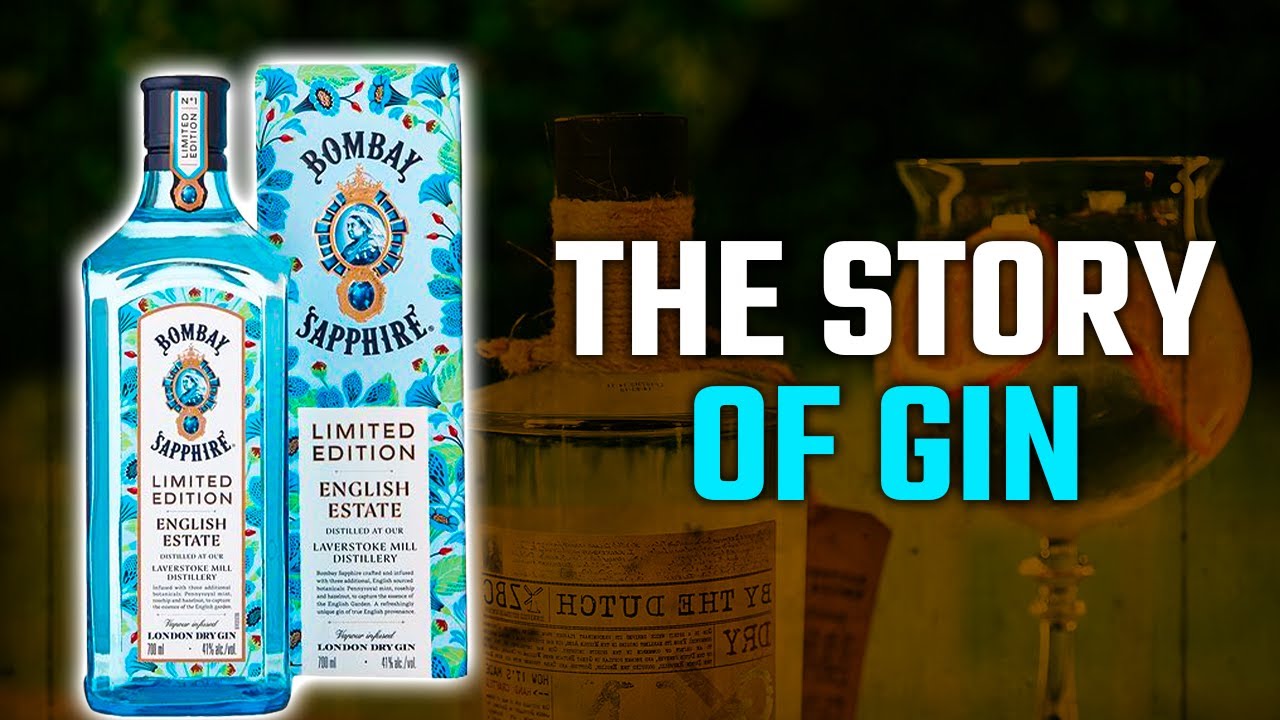
Which country invented gin?
Gin, a spirit known for its distinct flavor profile and versatility in cocktails, has its origins rooted in the Netherlands. The invention of gin is credited to the Dutch, specifically through a medicinal liquor called "jenever." This spirit dates back to the 16th century and was originally developed as a remedy for various ailments. Jenever was flavored with juniper berries, which not only imparted a unique taste but also were believed to have health benefits.
As jenever gained popularity, it crossed borders and influenced the development of gin in England. By the 17th century, British soldiers stationed in the Netherlands encountered jenever and brought the concept back to England. This led to the adaptation and evolution of the spirit, ultimately resulting in what we now recognize as gin. The English version emphasized a cleaner, more refined flavor, focusing on the botanicals and the distillation process.
The rise of gin in England coincided with the "Gin Craze" of the 18th century, a period marked by a significant increase in gin consumption among the population. This led to the establishment of numerous distilleries and the popularization of gin-based cocktails. Today, gin is celebrated worldwide, with various styles and brands emerging from different countries, but its roots firmly trace back to the Netherlands.
In summary, while gin as we know it today has evolved significantly, its origins lie in the Dutch spirit jenever. The influence of Dutch distillation practices and flavoring techniques has shaped the gin industry, making it a beloved spirit with a rich history.
Is gin healthier than vodka?
When comparing the health aspects of gin and vodka, its essential to consider their ingredients and potential health benefits. Both spirits are distilled from grains or other sources, but gin is uniquely flavored with botanicals, primarily juniper berries, which may offer certain health advantages. The presence of these botanicals in gin can contribute to its potential health benefits, including antioxidant properties and digestive support.
Caloric Content: One of the primary factors to consider is the caloric content of each spirit. On average, a standard serving of gin contains about 97 calories, while vodka typically has around 96 calories per serving. The difference is minimal, but if youre watching your caloric intake, this slight variation might be worth noting. However, the way these spirits are consumed—often mixed with sugary mixers—can significantly affect their overall health impact.
Alcohol by Volume (ABV): Both gin and vodka generally have a similar alcohol by volume (ABV) percentage, usually ranging from 37.5% to 50%. This means that, in terms of alcohol content, neither spirit is inherently healthier than the other. However, the effects of alcohol on the body can vary based on individual tolerance and consumption patterns. Moderate consumption is key, as excessive drinking of either spirit can lead to adverse health effects.
Health Perceptions: Some people perceive gin as a healthier option due to its botanical ingredients, which can offer potential benefits. For instance, the juniper in gin is known for its anti-inflammatory properties and may support heart health. On the other hand, vodka is often considered a "cleaner" spirit because it typically contains fewer impurities and congeners, which can contribute to hangovers. Ultimately, the choice between gin and vodka may depend on personal preferences, dietary goals, and the specific health benefits one is seeking.
What is gin made from?
Gin is a distilled alcoholic beverage that primarily derives its flavor from juniper berries, which are the defining ingredient of this spirit. The production of gin begins with a base of neutral grain alcohol, which can be made from a variety of sources, including barley, corn, rye, or wheat. This base spirit is then infused with a selection of botanicals, with juniper berries being the most prominent. The distillation process extracts essential oils and flavors from these botanicals, resulting in the aromatic profile that gin is known for.
Key Ingredients in Gin:
- Juniper Berries: The essential flavoring agent that gives gin its distinctive taste.
- Botanicals: Additional herbs, spices, and fruits such as coriander, angelica root, citrus peels, and cardamom that enhance the flavor.
- Neutral Grain Spirit: The alcohol base that is typically distilled to a high proof to create a clean canvas for flavoring.
The variety of botanicals used in gin can vary widely, leading to a range of flavor profiles. Distillers often experiment with unique ingredients, resulting in artisanal gins that can include anything from floral notes to earthy spices. Some popular botanicals used in gin production include coriander, which adds a warm, spicy flavor, and angelica root, known for its herbal and slightly bitter notes. Citrus peels, such as lemon or orange, are also commonly used to impart a refreshing zest.
In addition to the primary ingredients, water plays a crucial role in the production of gin. After distillation, water is typically added to lower the alcohol content to the desired level, which can further influence the final taste and mouthfeel of the spirit. The balance of these ingredients, along with the distillation method, ultimately determines the character and quality of the gin, making each brand and expression unique.
Where is gin mostly made?
Gin is predominantly produced in several key regions around the world, each contributing unique flavors and characteristics to this beloved spirit. The most notable countries for gin production include the United Kingdom, the Netherlands, and the United States, with each location boasting its own distinct style and method of distillation.
United Kingdom
The UK is often considered the birthplace of modern gin, particularly London, where the term "London Dry Gin" originated. This style is known for its crisp, juniper-forward flavor profile. Major distilleries, such as Beefeater and Tanqueray, are based here, and the country has seen a significant resurgence in craft gin production in recent years. The UKs diverse range of botanicals allows distillers to create innovative and unique gins that cater to a variety of palates.
Netherlands
Another significant region for gin production is the Netherlands, where gin is believed to have originated in the form of "jenever." Jenever is a traditional Dutch spirit that often has a maltier flavor compared to its British counterpart. The Netherlands is home to numerous artisanal distilleries, such as Bols and Damrak, which produce both traditional and modern interpretations of gin, often incorporating local botanicals that reflect the region’s heritage.
United States
In recent years, the United States has emerged as a major player in the gin market, with craft distilleries popping up across the country. American gin tends to feature a wider range of botanicals, leading to more experimental and varied flavor profiles. Distilleries like Aviation Gin and Hendricks have gained international acclaim, showcasing the innovative spirit of American distillers. As consumers seek unique and locally sourced spirits, the U.S. gin industry continues to flourish, contributing to the global diversity of gin production.
See all our content in the Sitemaps or in our Vip Cheers Webmaps!
You read complete Discover Which Country Gin Is Made From: A Global Guide See more about liqueurs here Other Liquors.
Leave a Reply