
Does White Wine Have Less Alcohol Than Red? Find Out Here!
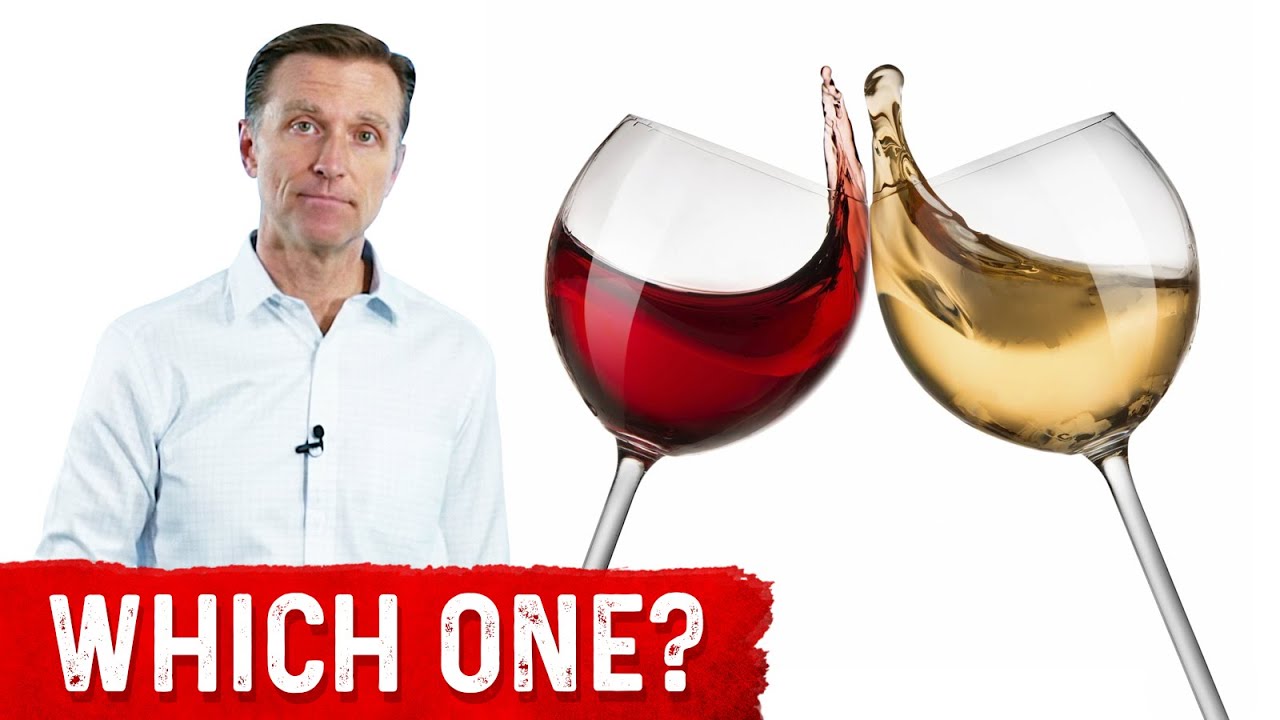
- Understanding Alcohol Content in Wines: White vs. Red
- Does White Wine Really Have Less Alcohol Than Red Wine?
- Factors Influencing Alcohol Levels in White and Red Wines
- Comparative Analysis: Alcohol Percentage in Popular White and Red Wines
- Choosing the Right Wine: What You Need to Know About Alcohol Content
Understanding Alcohol Content in Wines: White vs. Red
When exploring the world of wines, one key factor that often influences taste, body, and even food pairing is alcohol content. Typically measured as a percentage of alcohol by volume (ABV), this figure can vary significantly between white and red wines. Understanding these differences can enhance your wine selection and appreciation.
Red wines generally exhibit a higher alcohol content compared to white wines. The typical ABV for red wines ranges from 13% to 15%, with some full-bodied varieties even exceeding this range. This elevated alcohol level contributes to the richness and complexity of red wines, allowing them to pair well with hearty dishes. The fermentation process for red wines often involves the skins, seeds, and stems, which not only impart color and tannins but also influence the final alcohol content.
In contrast, white wines usually have a lower ABV, typically falling between 11% and 14%. This lower alcohol content can result in a lighter, crisper profile, making white wines an excellent choice for pairing with lighter fare such as seafood and salads. The fermentation of white wines generally occurs without the grape skins, which leads to a different balance of sugars and acids, ultimately affecting the alcohol level.
The choice between red and white wines is not solely about taste; it also involves understanding the impact of alcohol content on the overall experience. For instance, wines with higher alcohol levels may create a warming sensation, while lower alcohol wines tend to be more refreshing. When selecting a wine, consider not only the type of wine but also its alcohol content to enhance your tasting experience.
Does White Wine Really Have Less Alcohol Than Red Wine?
When it comes to the alcohol content in wine, many people wonder if white wine truly has less alcohol than red wine. The answer is not as straightforward as it might seem. Both white and red wines can vary significantly in alcohol content depending on several factors, including the grape variety, fermentation process, and region of production.
Alcohol Content Overview: Generally, most wines fall within a range of 8% to 15% alcohol by volume (ABV). While some white wines, like Riesling and Moscato, can have lower alcohol levels, many popular varieties, such as Chardonnay and Sauvignon Blanc, can be quite potent. On the other hand, red wines, such as Cabernet Sauvignon and Zinfandel, often boast higher ABV percentages, sometimes exceeding 15%.
Key Factors Influencing Alcohol Levels:
- Grape Variety: Different grapes have varying sugar content, which can influence the final alcohol level.
- Fermentation Process: The length and method of fermentation can lead to differences in alcohol production.
- Region: Wine regions have different climate conditions that affect grape ripeness and sugar levels.
While it is a common perception that white wines are lighter and, therefore, lower in alcohol, this isnt a hard and fast rule. Some white wines can match or even exceed the alcohol content of certain red wines. Therefore, when choosing a wine based on alcohol content, its essential to check the label for the specific ABV rather than relying on the color of the wine alone.
Factors Influencing Alcohol Levels in White and Red Wines
When it comes to the alcohol content in wines, both white and red varieties are influenced by several key factors. Understanding these factors can provide insight into why certain wines have higher or lower alcohol levels, which is essential for both wine enthusiasts and producers alike.
1. Grape Variety
The type of grape used plays a significant role in determining the alcohol levels in wine. Different grape varieties naturally contain varying amounts of sugar, which is converted to alcohol during fermentation. For instance, grapes like Cabernet Sauvignon and Zinfandel tend to have higher sugar content, leading to wines with elevated alcohol levels. In contrast, varieties such as Riesling or Pinot Grigio may yield lower alcohol wines due to their lower sugar concentrations.
2. Climate and Terroir
Climate significantly impacts the ripeness of grapes at harvest, which directly affects their sugar content. Warmer climates generally produce grapes with higher sugar levels, resulting in wines with increased alcohol content. Additionally, the concept of terroir—encompassing the geography, geology, and climate of a vineyard—can influence how grapes develop. Regions known for their hot summers, such as Napa Valley, often yield wines with higher alcohol levels compared to cooler climates like those found in parts of Germany.
3. Winemaking Techniques
Winemaking practices also play a crucial role in determining the final alcohol content of the wine. The fermentation process can be manipulated by winemakers to achieve desired alcohol levels. For example, extended fermentation allows for more sugar conversion into alcohol, while techniques like stopping fermentation early can result in lower alcohol levels. Additionally, the use of methods such as chaptalization (adding sugar to the must) can intentionally raise the alcohol content in wines, particularly in cooler climates.
In summary, the alcohol levels in white and red wines are shaped by a complex interplay of grape variety, climate, and winemaking techniques. Each of these factors contributes to the unique characteristics of a wine, making it essential for producers and consumers to understand their impact on the final product.
Comparative Analysis: Alcohol Percentage in Popular White and Red Wines
When exploring the world of wines, understanding the alcohol percentage is crucial for both connoisseurs and casual drinkers alike. The alcohol content in wine can significantly influence its flavor profile, mouthfeel, and even food pairing potential. Generally, white wines tend to have a slightly lower alcohol percentage compared to red wines, though there are exceptions that highlight the diversity within each category.
Common Alcohol Percentages in White Wines:
- Sauvignon Blanc: Typically ranges from 12% to 14% ABV (alcohol by volume).
- Chardonnay: Often falls between 13% to 15% ABV, depending on the style and region.
- Riesling: Usually around 8% to 12% ABV, particularly for sweeter varieties.
White wines, known for their crispness and acidity, can vary widely in alcohol content. Lighter styles, such as Riesling, may offer lower alcohol percentages, making them ideal for warm-weather sipping. In contrast, fuller-bodied whites like Chardonnay can reach higher ABV levels, often due to the winemaking techniques employed, such as malolactic fermentation.
Common Alcohol Percentages in Red Wines:
- Cabernet Sauvignon: Generally ranges from 13.5% to 15% ABV.
- Merlot: Typically falls between 13% to 14.5% ABV.
- Pinot Noir: Usually around 12.5% to 14.5% ABV.
Red wines are often perceived as bolder and more robust, and their alcohol content reflects this richness. The higher alcohol percentages in varieties like Cabernet Sauvignon and Merlot contribute to their fuller mouthfeel and complex flavor profiles. Additionally, the ripeness of the grapes at harvest and the fermentation process can lead to elevated ABV levels, particularly in warmer wine-growing regions.
In comparing the alcohol percentages of popular white and red wines, its essential to consider how these levels affect the overall drinking experience. While whites may offer refreshing acidity and lower alcohol content, reds often provide a more intense flavor experience, complemented by their higher ABV. Ultimately, the choice between white and red wine will depend on personal preference, occasion, and desired flavor characteristics.
Choosing the Right Wine: What You Need to Know About Alcohol Content
When it comes to choosing the right wine, understanding alcohol content is essential for enhancing your tasting experience. Alcohol by volume (ABV) is the standard measure of how much alcohol is contained in a given volume of an alcoholic beverage, expressed as a percentage. For wines, this typically ranges from about 8% to 15%, though some can exceed these limits. Knowing the ABV can help you select a wine that aligns with your preferences and occasion.
Factors Influencing Alcohol Content in Wine
Several factors contribute to the alcohol content of wine, including:
- Grape Variety: Different grape varieties naturally contain varying levels of sugar, which can be converted to alcohol during fermentation.
- Climate: Grapes grown in warmer climates tend to have higher sugar levels, resulting in higher alcohol content after fermentation.
- Winemaking Techniques: Methods such as extended fermentation or adding sugar (chapitalization) can increase the final ABV of the wine.
Understanding these factors can help you make informed choices when selecting a wine, whether youre looking for a light, refreshing option or a full-bodied, robust choice. For instance, if you prefer wines that are easy to drink and pair well with lighter meals, opt for those with a lower ABV, typically around 8% to 12%. Conversely, if you enjoy a more intense flavor profile, wines with a higher ABV, ranging from 13% to 15% or more, may be more suitable.
How Alcohol Content Affects Flavor and Pairing
The alcohol content in wine also plays a significant role in its flavor profile and how well it pairs with food. Higher alcohol wines can often present bolder flavors and a fuller body, making them suitable for rich dishes such as steak or hearty stews. On the other hand, lower alcohol wines tend to be lighter and crisper, making them ideal companions for seafood, salads, or light appetizers.
When selecting wine for a meal, consider the alcohol content alongside the dishs richness and flavors to create a harmonious pairing. This understanding of alcohol content not only enhances your wine selection process but also elevates your overall dining experience.
See all our content in the Sitemaps or in our Vip Cheers Webmaps!
You read complete Does White Wine Have Less Alcohol Than Red? Find Out Here! See more about liqueurs here Wine.
Leave a Reply