
Does Whiskey Have Sugar? Discover the Truth Behind Your Drink
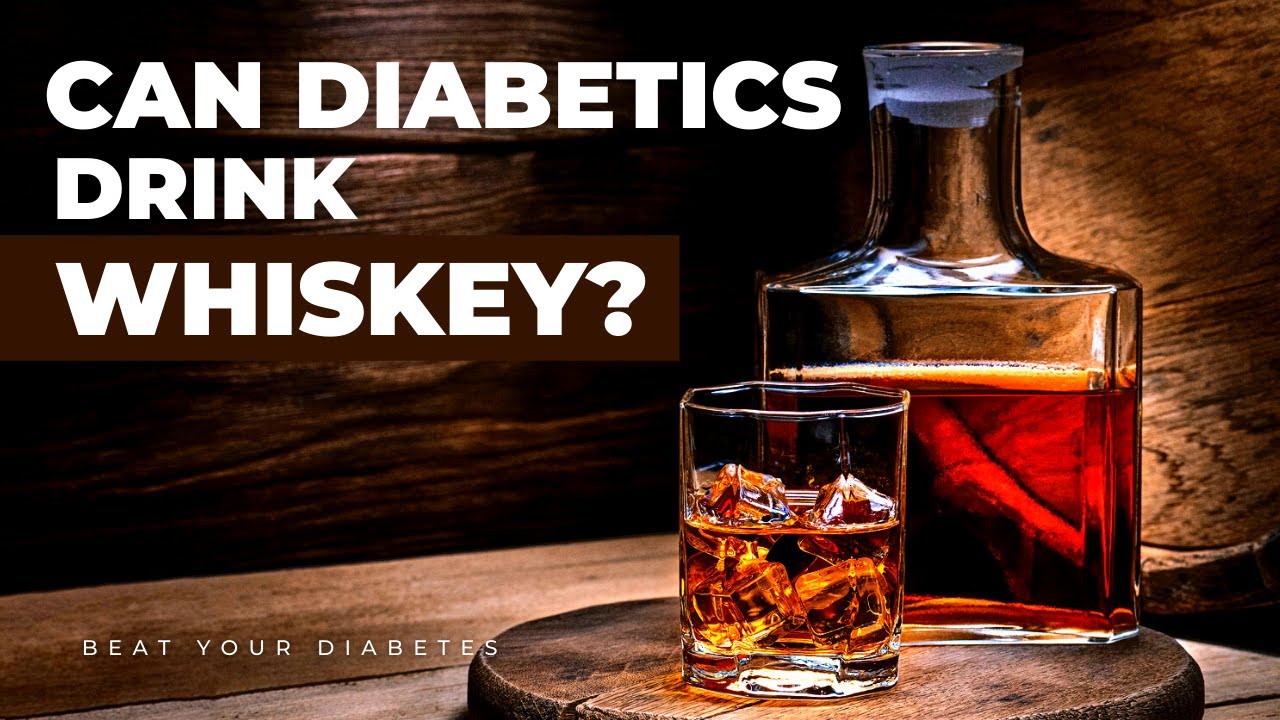
Is whisky high on sugar?
When it comes to the sugar content in whisky, its important to clarify that whisky itself is not high in sugar. In fact, during the distillation process, most of the sugars present in the initial mash are converted into alcohol. This transformation results in a spirit that typically contains very low levels of residual sugar. For those who are monitoring their sugar intake, whisky is often considered a suitable choice.
Types of Whisky and Sugar Content
Different types of whisky can have varying sugar levels, but they generally remain low. Here’s a brief overview:
- Scotch Whisky: Usually contains less than 1 gram of sugar per serving.
- Bourbon: Similar to Scotch, it typically has minimal sugar, often around 1 gram per serving.
- Irish Whiskey: Generally low in sugar, similar to Scotch and Bourbon.
- Flavored Whiskies: These may contain added sugars, so it’s essential to check the label.
While the base spirits are low in sugar, some whisky-based cocktails and flavored whiskies can contain added sugars or sweeteners. These variations can significantly increase the sugar content, making it crucial for consumers to read labels and be aware of what theyre drinking.
Health Considerations
For those concerned about sugar intake for health reasons, whisky can be a preferable option compared to many other alcoholic beverages, such as sweet wines or sugary cocktails. However, moderation is key. While whisky itself is low in sugar, excessive consumption can lead to other health issues unrelated to sugar. Always be mindful of your overall drinking habits and the mixers you choose, as these can alter the nutritional profile of your drink.
Does whiskey have carbs or sugar?
When it comes to whiskey, many enthusiasts and health-conscious individuals wonder about its carbohydrate and sugar content. The good news is that whiskey is a distilled spirit, which means it undergoes a process that removes most of the sugars and carbohydrates found in the original ingredients. As a result, whiskey is considered a low-carb beverage, making it a popular choice for those following low-carb diets.
Most types of whiskey, including bourbon, rye, and Scotch, contain negligible amounts of carbohydrates. Typically, a standard serving of whiskey (about 1.5 ounces) has less than 1 gram of carbohydrates. This low carbohydrate content makes whiskey an appealing option for those who are watching their carb intake, such as individuals on ketogenic or paleo diets.
In terms of sugar, whiskey is also quite low. During the distillation process, the sugars present in the grains used to make whiskey are converted into alcohol. Consequently, most whiskeys contain zero grams of sugar. However, it’s important to note that flavored whiskeys or whiskey-based cocktails may have added sugars, which can significantly increase the carbohydrate and sugar content.
For those who enjoy whiskey neat or on the rocks, rest assured that you are consuming a beverage that is low in both carbs and sugar. Always check labels for flavored options or mixers that may contain additional sugars if youre aiming to maintain a low-carb lifestyle.
Which has more sugar, vodka or whiskey?
When comparing vodka and whiskey, one of the key differences lies in their sugar content. Generally, both spirits are distilled and contain minimal sugar; however, the production processes and ingredients used can influence their final sugar levels. Vodka, typically made from grains or potatoes, undergoes extensive distillation, which results in a purer alcohol with very little residual sugar. Most standard vodka brands contain less than 1 gram of sugar per 1.5-ounce serving.
On the other hand, whiskey, which is made from fermented grain mash that may include barley, corn, rye, and wheat, can have slightly higher sugar content. The aging process in wooden barrels can lead to the extraction of sugars from the wood, contributing to a sweeter flavor profile. While most whiskeys also have low sugar levels, they can contain around 1 to 3 grams of sugar per serving, depending on the specific type and brand.
Here’s a quick comparison of sugar content:
- Vodka: Typically <1 gram of sugar per 1.5-ounce serving
- Whiskey: Generally 1 to 3 grams of sugar per 1.5-ounce serving
Its important to note that flavored varieties of both spirits can significantly alter their sugar content. Flavored vodkas and whiskeys often contain added sugars or syrups, which can lead to much higher sugar levels than their unflavored counterparts. For those watching their sugar intake, opting for straight vodka or whiskey will usually provide a lower sugar option compared to their flavored versions.
Does whiskey turn into sugar when you drink it?
When you consume whiskey, your body metabolizes it differently than carbohydrates or sugars. Whiskey itself does not contain sugar; instead, it is primarily made from fermented grains. The fermentation process converts the sugars in the grains into alcohol, which means that by the time whiskey reaches your glass, most of the sugars have already been transformed.
Understanding Alcohol Metabolism
Once ingested, whiskey is broken down by the liver through a process known as oxidation. The liver converts alcohol into acetaldehyde, which is further metabolized into acetic acid before being utilized for energy or eliminated from the body. This metabolic pathway does not involve the conversion of whiskey into sugar. Instead, the body views alcohol as a toxin, prioritizing its breakdown over other nutrients, including carbohydrates.
The Glycemic Index of Whiskey
Whiskey has a low glycemic index (GI), meaning it has little to no immediate effect on blood sugar levels. Unlike sugary drinks or mixers, straight whiskey does not spike insulin or glucose levels. This characteristic makes whiskey a preferable option for individuals monitoring their sugar intake. However, it’s important to note that mixers added to whiskey, such as soda or sweetened juices, can introduce sugars that may affect blood sugar levels.
Calories from Whiskey
While whiskey does not turn into sugar, it does contain calories that can impact weight and metabolism. The calories in whiskey come from the alcohol itself, providing about 7 calories per gram. This can contribute to weight gain if consumed excessively, even without the presence of sugar. Therefore, while whiskey does not convert to sugar, it is essential to be mindful of its caloric content and the potential effects on your overall health.
See all our content in the Sitemaps or in our Vip Cheers Webmaps!
You read complete Does Whiskey Have Sugar? Discover the Truth Behind Your Drink See more about liqueurs here Whisky.
Leave a Reply