
Does Rum Go Bad After Opening? Shelf Life Explained!
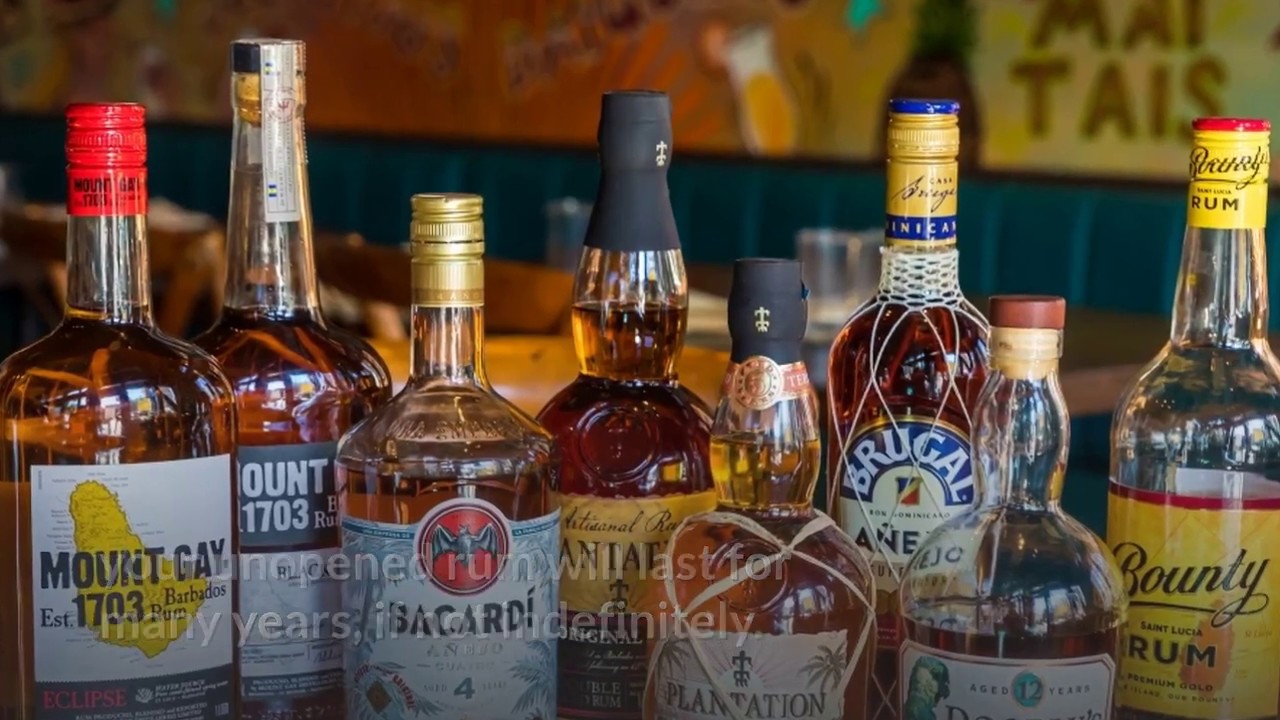
How long does rum last if opened?
When it comes to opened rum, its shelf life can vary based on several factors, including the type of rum and how its stored. Generally, opened rum can last for 3 to 5 years if stored properly. However, the quality may start to decline after the first year, especially if it is not kept in ideal conditions.
To ensure that your rum maintains its best flavor and aroma, it’s essential to follow some basic storage guidelines. Here are a few tips:
- Store in a cool, dark place: Keep your rum away from direct sunlight and temperature fluctuations, as these can degrade its quality.
- Seal tightly: Always ensure that the cap or cork is tightly sealed after each use to minimize exposure to air, which can lead to oxidation.
- Avoid frequent opening: Limit how often you open the bottle, as this increases air exposure and can accelerate flavor deterioration.
While rum is generally stable due to its high alcohol content, some subtle changes may occur over time. The flavor profile might shift, and the overall experience may not be as enjoyable as it was when first opened. If you notice any off smells or flavors, its best to err on the side of caution and discard the rum. Keeping these factors in mind will help you enjoy your rum at its best for as long as possible.
Can you drink alcohol 2 years out of date?
When it comes to consuming alcohol that is two years past its expiration date, the answer is often more nuanced than a simple yes or no. Many types of alcoholic beverages, especially spirits, do not spoil in the same way perishable foods do. This is primarily due to their high alcohol content, which acts as a preservative. However, the quality and flavor may diminish over time.
Types of Alcohol and Their Shelf Life:
- Spirits: Liquors like vodka, rum, and whiskey can last indefinitely if stored properly. They may lose some flavor intensity but are generally safe to consume.
- Wine: The shelf life of wine varies significantly. While some wines improve with age, others may go bad after a couple of years. Check for off smells or changes in color.
- Beer: Most beers have a shorter shelf life, typically ranging from a few months to a couple of years. Drinking beer past its expiration may result in a stale taste.
When considering drinking alcohol that is two years out of date, it’s essential to assess the storage conditions. Alcohol should be stored in a cool, dark place, away from direct sunlight and extreme temperatures. If the bottle has been sealed and stored correctly, it is more likely to be safe to consume. However, if there are signs of spoilage, such as changes in color, odor, or sediment, it’s best to err on the side of caution.
Another important factor is the type of alcohol and its packaging. For instance, wine stored in a corked bottle may age differently compared to a screw-top bottle. If you’re unsure, tasting a small amount can help determine whether it’s still enjoyable. Remember, while drinking expired alcohol may not pose a significant health risk, the taste and overall experience might not be what you expect.
Can bacteria grow in rum?
Rum, a distilled alcoholic beverage made from sugarcane byproducts, has a high alcohol content that typically ranges from 40% to 50%. This elevated alcohol level creates an environment that is generally hostile to most bacteria. The high concentration of ethanol acts as a natural preservative, significantly reducing the likelihood of bacterial growth. However, it is essential to understand the nuances surrounding the potential for bacterial activity in rum.
Factors Influencing Bacterial Growth in Rum:
1. Alcohol Concentration: The higher the alcohol content, the less likely bacteria can thrive. Most pathogenic bacteria cannot survive in environments with more than 20% alcohol.
2. Storage Conditions: If rum is stored in a cool, dark place, it further minimizes the risk of bacterial contamination. Exposure to heat or light can degrade the quality of rum and potentially allow for the growth of certain microorganisms.
3. Contamination Sources: While rum itself is unlikely to support bacterial growth, contamination can occur during the production process or if the bottle is improperly handled. For instance, if bacteria are introduced through an unclean bottle or a contaminated pour, there could be a risk, albeit low.
4. Type of Bacteria: Some bacteria, like Lactobacillus, may survive in low-alcohol environments and can be found in various fermented products. However, their presence in rum is rare due to the high alcohol content.
In summary, while the high alcohol concentration in rum creates an inhospitable environment for most bacteria, it is crucial to consider factors such as storage conditions and contamination risks. With proper handling and storage, rum can remain free from bacterial growth, ensuring its quality and safety for consumption.
Is 20 year old rum safe to drink?
Is 20 Year Old Rum Safe to Drink?
When it comes to aged spirits like rum, the question of safety often arises, especially with bottles that have been sitting on the shelf for two decades. In general, 20-year-old rum is safe to drink as long as it has been stored properly and the seal on the bottle remains intact. Unlike perishable items, distilled spirits have a long shelf life due to their high alcohol content, which acts as a preservative.
However, there are a few factors to consider before indulging in a glass of aged rum:
- Storage Conditions: Rum should be kept in a cool, dark place away from direct sunlight and extreme temperature fluctuations. Poor storage can lead to a change in flavor or aroma.
- Seal Integrity: Check the bottle for any signs of leakage or damage to the seal. If the seal is broken, the rum may have been exposed to air, which can alter its taste.
- Visual Inspection: Before drinking, inspect the rum for any unusual sediment or cloudiness. While some sediment can be normal in aged spirits, excessive cloudiness may indicate spoilage.
While the flavor profile of a 20-year-old rum may have evolved and become more complex over the years, its essential to remember that its safety hinges on proper storage and handling. As long as these conditions are met, enjoying a glass of well-aged rum can be a delightful experience.
See all our content in the Sitemaps or in our Vip Cheers Webmaps!
You read complete Does Rum Go Bad After Opening? Shelf Life Explained! See more about liqueurs here Other Liquors.
Leave a Reply