
Does Non-Alcoholic Beer Taste Like Beer? Find Out Here!
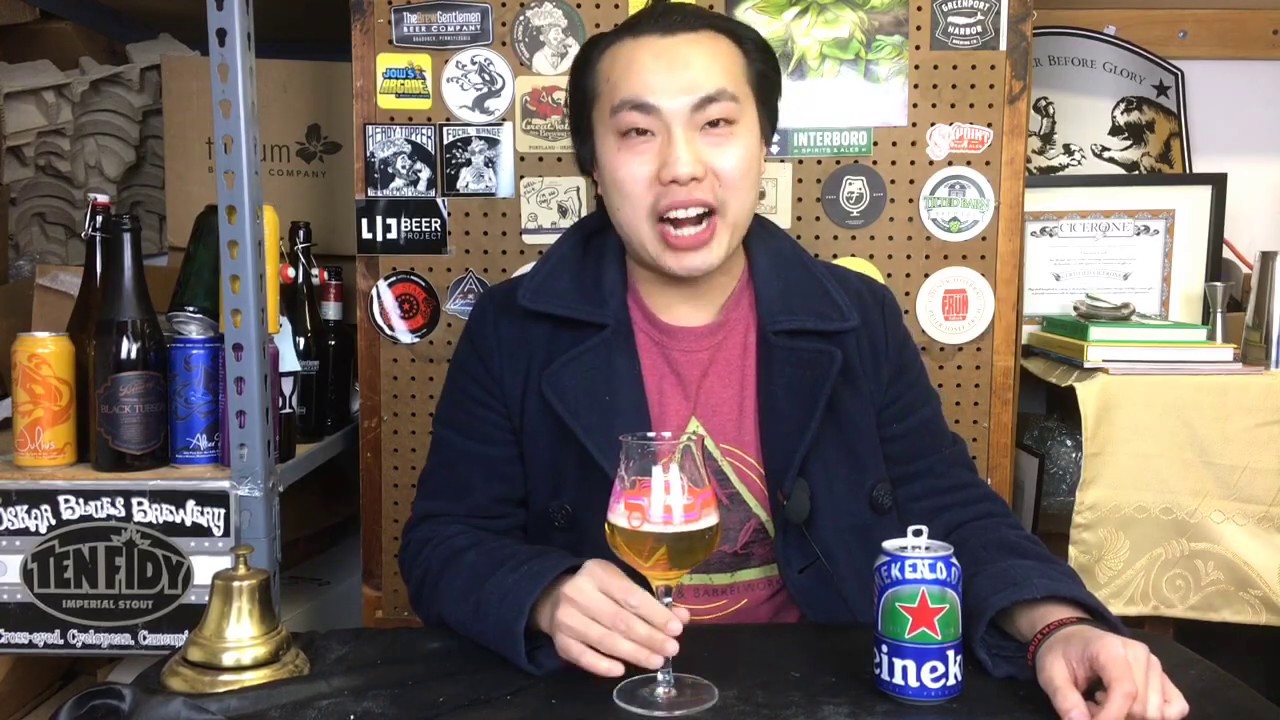
Introduction to Non-Alcoholic Beer
In recent years, the popularity of non-alcoholic beer has soared, leading many to wonder, does non-alcoholic beer taste like regular beer? This article aims to explore the nuances of non-alcoholic beer, including its flavor profile, brewing process, and how it compares to its alcoholic counterpart.
The Brewing Process of Non-Alcoholic Beer
To understand the taste of non-alcoholic beer, it is essential to first examine how it is made. Non-alcoholic beer typically undergoes a similar brewing process as regular beer, with a few key differences.
1. Traditional Brewing Methods
Most non-alcoholic beers start with a traditional brewing process that includes:
- Mashing: Grains are soaked in hot water to extract sugars.
- Boiling: Hops are added for flavor and aroma.
- Fermentation: Yeast is introduced to convert sugars into alcohol.
2. Alcohol Removal Techniques
Once the beer is brewed, the alcohol must be removed to create a non-alcoholic version. This can be done through various methods:
- Vacuum Distillation: Alcohol is removed under low pressure, preserving flavors.
- Reverse Osmosis: Water and alcohol are separated from the beer.
- Cold Filtration: Alcohol is filtered out at low temperatures.
Flavor Profile of Non-Alcoholic Beer
The question remains: does non-alcoholic beer taste like beer? The answer is complex, as it depends on several factors, including the brewing method and ingredients used.
1. Ingredients Matter
The ingredients play a significant role in the final flavor. Most non-alcoholic beers use similar grains, hops, and yeast as regular beers. However, some brands may use different or additional ingredients to enhance flavor. Common ingredients include:
- Barley: The primary grain used in most beers.
- Wheat: Adds a smooth texture and flavor.
- Hops: Provides bitterness and aroma.
2. Common Flavor Profiles
Non-alcoholic beers can have a range of flavors, including:
- Pale Ales: Fruity and hoppy.
- Lagers: Crisp and clean.
- Stouts: Rich and malty.
Comparing Non-Alcoholic Beer and Regular Beer
When trying to determine if non-alcoholic beer tastes like beer, it is important to compare the two directly. Here are some aspects to consider:
1. Alcohol Content
The most obvious difference is the alcohol content. Non-alcoholic beers typically contain less than 0.5% ABV (alcohol by volume), while regular beers can range from 4% to over 10% ABV. This difference can affect the overall flavor experience, as alcohol contributes to the mouthfeel and warmth of the beer.
2. Aroma and Taste
Many drinkers notice that non-alcoholic beers can lack the depth of flavor found in their alcoholic counterparts. This can be attributed to:
- Alcohols Role: Alcohol can enhance the aroma and flavor of beer.
- Flavor Development: The fermentation process may produce complex flavors that are reduced when alcohol is removed.
3. Mouthfeel
The mouthfeel of non-alcoholic beer can differ significantly. Alcohol adds a certain body and warmth to beer, which may be missing in non-alcoholic varieties. Some drinkers describe non-alcoholic beer as feeling lighter or thinner.
Popular Brands of Non-Alcoholic Beer
With the increasing demand for non-alcoholic options, many breweries have introduced their own versions. Some of the most popular brands include:
- Heineken 0.0: Known for its balanced taste and refreshing quality.
- Clausthaler: A pioneer in the non-alcoholic beer market with a range of flavors.
- Becks Blue: Offers a crisp and light lager experience.
- Lagunitas DayTime: A low-calorie option that maintains flavor.
Consumer Preferences and Trends
As more people become health-conscious and seek alternatives to alcoholic beverages, the demand for non-alcoholic beer continues to grow. Some key trends include:
1. Health Consciousness
Many consumers are choosing non-alcoholic beer for health reasons, including:
- Lower Caloric Intake: Non-alcoholic beers often contain fewer calories.
- No Hangover: Enjoying beer without the aftereffects of alcohol.
- Designated Drivers: A safe option for those who need to stay sober.
2. Craft Non-Alcoholic Beers
The craft beer movement has also influenced the non-alcoholic beer market. Many craft breweries are experimenting with unique flavors and styles, leading to:
- Variety: A wider selection of flavors and styles.
- Quality: Increased focus on quality ingredients and brewing techniques.
Conclusion: Does Non-Alcoholic Beer Taste Like Beer?
In conclusion, while non-alcoholic beer does taste like beer in many respects, there are notable differences. Factors such as alcohol content, mouthfeel, and flavor complexity can influence the overall experience. However, with advancements in brewing technology and an increasing variety of options, many non-alcoholic beers can satisfy those looking for a beer-like taste without the alcohol.
Ultimately, the best way to determine if non-alcoholic beer suits your palate is to try different brands and styles. With so many options available today, there’s likely a non-alcoholic beer out there that can satisfy your craving for the taste of beer.
Final Thoughts
The rise of non-alcoholic beer signifies a shift in consumer preferences and lifestyles. As more people seek alternatives to traditional alcoholic beverages, non-alcoholic beer offers a viable and enjoyable option. Whether youre a long-time beer enthusiast or someone looking to explore new flavors, non-alcoholic beer presents a diverse world of taste waiting to be discovered.
See all our content in the Sitemaps or in our Vip Cheers Webmaps!
You read complete Does Non-Alcoholic Beer Taste Like Beer? Find Out Here! See more about liqueurs here Beer.
Leave a Reply