
Understanding the Difference Between Whisky, Bourbon, and Scotch
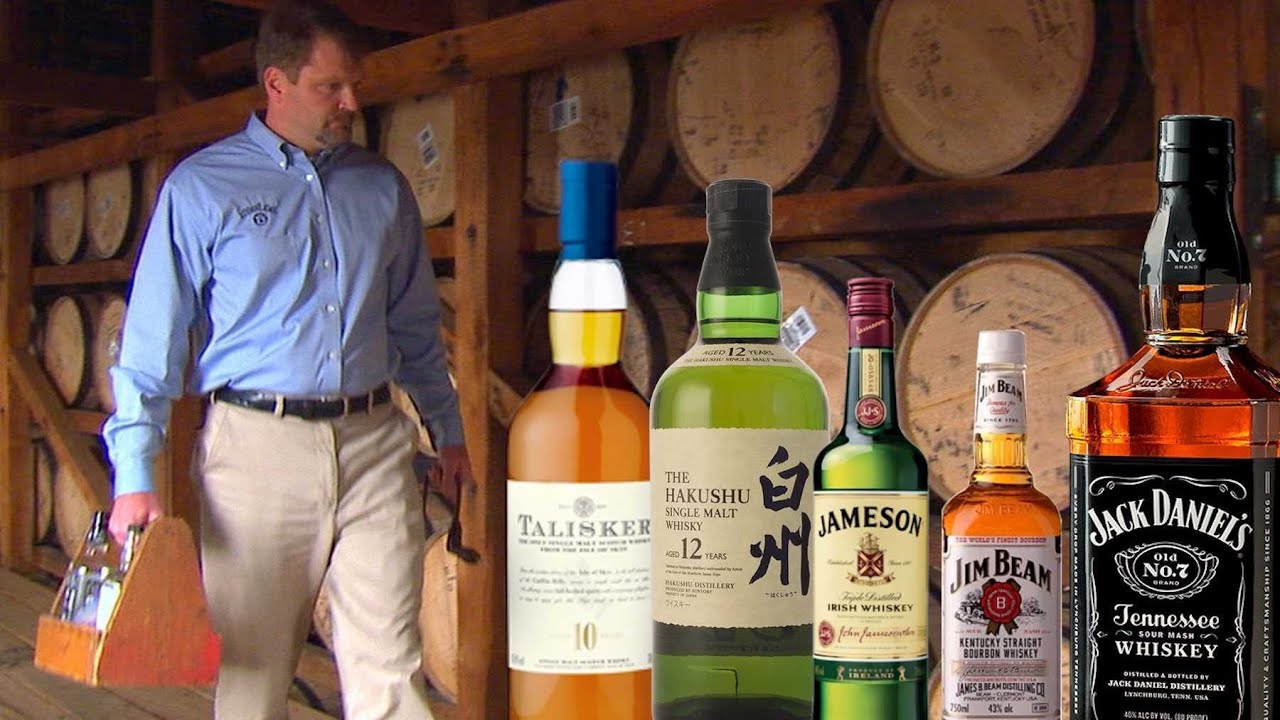
What is the difference between Scotch whisky and bourbon?
Scotch whisky and bourbon are two of the most popular types of whiskey globally, each boasting unique characteristics that stem from their distinct production methods, ingredients, and regional regulations. Understanding these differences can enhance your appreciation of both spirits, whether you’re a connoisseur or a casual drinker.
Ingredients and Production: One of the primary differences between Scotch whisky and bourbon lies in their ingredients. Scotch whisky is made predominantly from malted barley and must be aged in oak barrels for a minimum of three years. In contrast, bourbon is primarily made from corn, with at least 51% of its mash bill consisting of corn, and it must be aged in new charred oak barrels. This difference in grain composition contributes to their distinctive flavors, with Scotch often exhibiting a more complex, smoky profile, while bourbon tends to be sweeter and fuller-bodied.
Geographical Origin: Another significant distinction is their geographical origins. Scotch whisky is exclusively produced in Scotland and is governed by strict regulations that define its various types, including single malt, single grain, blended malt, and blended grain whiskies. Bourbon, on the other hand, is primarily associated with the United States, particularly Kentucky, though it can be made anywhere in the U.S. This geographical requirement not only influences the flavor profiles but also the cultural significance and traditions surrounding each spirit.
Aging Requirements: The aging process for Scotch and bourbon also varies considerably. Scotch must be aged for a minimum of three years, and many premium brands age their whisky for much longer, often in used barrels that previously held other spirits. Bourbon, however, has no minimum aging requirement, although to be labeled as "straight bourbon," it must be aged for at least two years. The aging in new charred oak barrels gives bourbon its characteristic caramel and vanilla notes, while Scotchs aging in used barrels contributes to its complex and varied flavor profiles.
In summary, while both Scotch whisky and bourbon are beloved spirits with rich histories, their differences in ingredients, production methods, geographical origins, and aging requirements set them apart in the world of whiskey. Understanding these distinctions can help you choose the right spirit for your palate and elevate your drinking experience.
Is Jack Daniel's a bourbon or whiskey?
Is Jack Daniels a bourbon or whiskey?
When it comes to classifying Jack Daniels, its essential to understand the distinctions between bourbon and whiskey. Jack Daniels is officially classified as Tennessee whiskey, which is a subtype of American whiskey. While all bourbons are whiskeys, not all whiskeys are bourbons. This distinction is crucial for understanding the unique characteristics of Jack Daniels.
To be classified as bourbon, a whiskey must meet specific criteria, including being made from at least 51% corn and aged in new charred oak barrels. Jack Daniels meets these requirements; however, it is further distinguished by its production process. One of the key steps in making Jack Daniels is the Lincoln County Process, which involves filtering the whiskey through charcoal before aging. This additional step is what sets Tennessee whiskey apart from standard bourbons.
The flavor profile of Jack Daniels also reflects its Tennessee whiskey classification. With notes of vanilla, caramel, and a smooth finish, it offers a different tasting experience compared to traditional bourbons. The use of pure, iron-free cave spring water from Lynchburg, Tennessee, contributes to its unique taste, enhancing the overall drinking experience.
In summary, while Jack Daniels shares some characteristics with bourbon, it is primarily classified as Tennessee whiskey due to its distinct production methods and flavor profile. Understanding these differences not only enriches your appreciation for Jack Daniels but also helps you navigate the broader world of American whiskeys.
What is smoother, whiskey, scotch or bourbon?
When it comes to the smoothness of whiskey, scotch, and bourbon, the answer isnt straightforward, as it often depends on individual preferences and the specific brands being compared. However, there are some general characteristics that can help differentiate the smoothness of these spirits.
Whiskey is a broad category that encompasses various types, including scotch and bourbon. The smoothness of whiskey can vary significantly based on its production process, aging, and the grains used. Many whiskey drinkers find that blended whiskeys tend to be smoother than their single malt counterparts due to the combination of different flavors and textures.
Scotch, which is primarily made in Scotland, is typically distilled twice and aged in oak barrels for a minimum of three years. Its smoothness can be influenced by the type of malt used and the aging process. Some scotches, particularly those that are aged longer, may develop a rich, smooth profile with complex flavors, while others can be quite peaty and robust, potentially affecting their perceived smoothness.
Bourbon, on the other hand, is an American whiskey made primarily from corn, giving it a sweeter profile. It must be aged in new charred oak barrels, which contribute to its smoothness and rich flavor. Many bourbon enthusiasts argue that the sweetness and full-bodied nature of bourbon make it smoother than scotch, especially when considering brands that have been well-aged and crafted to perfection.
Ultimately, the smoothness of whiskey, scotch, or bourbon can be subjective, influenced by personal taste preferences, specific brands, and the occasions on which they are enjoyed. Exploring various options and experimenting with different expressions is the best way to determine which spirit resonates most smoothly with your palate.
Is bourbon poor man's scotch?
Is bourbon poor mans scotch?
When comparing bourbon and Scotch, many enthusiasts often wonder if bourbon can be considered the "poor mans Scotch." While both spirits share a common heritage in their distillation processes, they are distinct in flavor, ingredients, and production methods. Understanding these differences can help clarify why the comparison might be misleading.
Bourbon is an American whiskey primarily made from corn, which gives it a sweeter profile. To be classified as bourbon, it must contain at least 51% corn and be aged in new charred oak barrels. This aging process, often done in a short timeframe, contributes to its rich caramel and vanilla notes. On the other hand, Scotch is a whisky from Scotland, typically made from malted barley and aged for a minimum of three years in used oak barrels. This aging often results in complex flavors ranging from smoky and peaty to fruity and floral, depending on the region of production.
While both spirits offer unique tasting experiences, the notion of bourbon as a "poor mans Scotch" might stem from the price difference. Generally, bourbon tends to be more affordable, especially when compared to premium or aged Scotch whiskies, which can command high prices. However, this affordability does not diminish the quality or craftsmanship behind bourbon. Many craft distilleries in the U.S. produce high-quality bourbons that rival some of the best Scotch whiskies.
Ultimately, whether bourbon is considered a "poor mans Scotch" depends on personal preferences and the context in which each spirit is enjoyed. Enthusiasts appreciate both for their unique characteristics and the rich traditions behind them. Instead of viewing bourbon as a lesser alternative, it is essential to celebrate its individuality and the distinct experience it offers to whiskey lovers around the world.
See all our content in the Sitemaps or in our Vip Cheers Webmaps!
You read complete Understanding the Difference Between Whisky, Bourbon, and Scotch See more about liqueurs here Other Liquors.
Leave a Reply