
Difference Between Champagne and Sparkling Wine: Key Insights
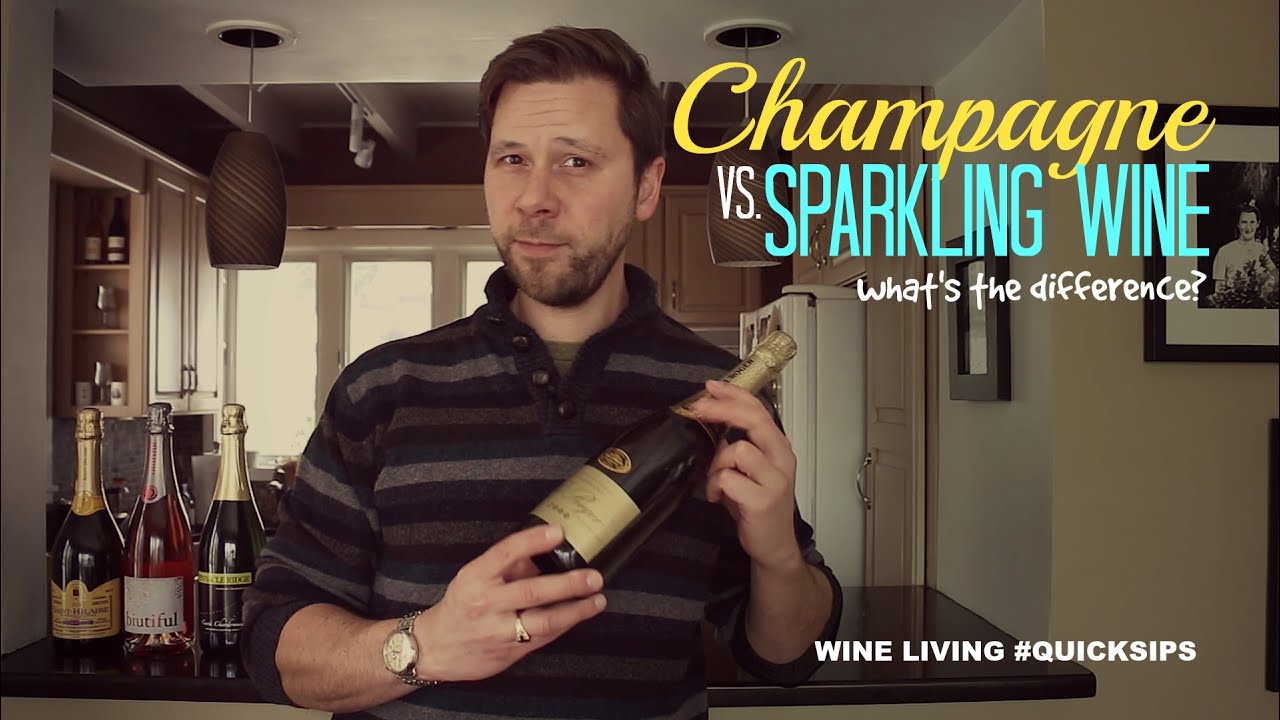
Understanding the Basics: What is Champagne?
Champagne is a sparkling wine that originates from the Champagne region of France, renowned for its unique production methods and distinct flavors. To be classified as Champagne, the wine must be produced in this specific region and adhere to strict regulations set forth by the appellation. The primary grapes used in Champagne production include Chardonnay, Pinot Noir, and Pinot Meunier, each contributing to the wines complexity and character.
The process of making Champagne is known as méthode champenoise, or traditional method, which involves a secondary fermentation in the bottle. This fermentation creates the signature bubbles that Champagne is famous for. The wine undergoes several steps, including primary fermentation, blending, secondary fermentation, and aging on lees, which enhances its flavor profile and effervescence.
When exploring Champagne, it is essential to understand the different styles available, which can range from brut to doux, indicating the level of sweetness. Here are some common styles of Champagne:
- Brut Nature: No added sugar, very dry.
- Brut: The most popular style, dry with minimal sugar.
- Extra Dry: Slightly sweeter than brut.
- Demi-Sec: Noticeably sweet, often enjoyed with dessert.
Additionally, Champagne can be classified into categories based on the grape composition, such as Blanc de Blancs (made exclusively from Chardonnay) and Blanc de Noirs (made from Pinot Noir and/or Pinot Meunier). Each type offers a unique tasting experience, showcasing the diverse terroir of the Champagne region and the skill of the winemakers.
What is Sparkling Wine? A Closer Look
Sparkling wine is a type of wine that is characterized by its effervescence, a delightful fizz that can elevate any occasion. The bubbles in sparkling wine are created through natural fermentation, which produces carbon dioxide that gets trapped in the liquid. This process can occur in various ways, leading to a range of styles and flavors. Sparkling wine is enjoyed worldwide and comes in numerous varieties, each with its unique characteristics.
Types of Sparkling Wine
There are several types of sparkling wine, each distinguished by its production method, region, and grape varieties. Some of the most popular types include:
- Champagne: Originating from the Champagne region of France, this prestigious sparkling wine is made primarily from Chardonnay, Pinot Noir, and Pinot Meunier grapes.
- Prosecco: Hailing from Italy, Prosecco is made primarily from the Glera grape and is known for its light, fruity flavors.
- Cava: A Spanish sparkling wine, Cava is predominantly produced in Catalonia and is made using the traditional method, similar to Champagne.
- Sekt: This German sparkling wine can be made from various grape varieties and is often sweeter than other sparkling wines.
Production Methods
The production methods for sparkling wine are crucial in determining its flavor profile and quality. The two primary methods are:
- Traditional Method: Also known as méthode champenoise, this process involves a secondary fermentation in the bottle, which creates the fine bubbles associated with high-quality sparkling wines.
- Charmat Method: This method involves fermenting the wine in large pressurized tanks, resulting in a fresher and fruitier taste, commonly used for Prosecco.
Sparkling wine can range from dry to sweet, and its flavor is influenced by the grape varieties used, the region of production, and the specific production methods employed. This versatility makes sparkling wine a popular choice for a variety of occasions, from casual gatherings to formal celebrations. Whether enjoyed alone or paired with food, sparkling wine offers a unique tasting experience that captivates the senses.
The Key Differences Between Champagne and Sparkling Wine
When it comes to bubbly beverages, many people often use the terms "Champagne" and "sparkling wine" interchangeably. However, these two types of wine are distinct in several important ways. Understanding these differences can enhance your appreciation for both and help you make informed choices when selecting a bottle for your next celebration.
1. Geographic Origin
One of the most significant differences between Champagne and sparkling wine is their geographic origin. Champagne refers specifically to sparkling wine produced in the Champagne region of France, which has strict regulations governing its production. To be labeled as Champagne, the wine must adhere to the traditional method of production known as "Méthode Champenoise" and use specific grape varieties, including Chardonnay, Pinot Noir, and Pinot Meunier. In contrast, sparkling wine can be produced anywhere in the world and from a variety of grape types, leading to a diverse range of flavors and styles.
2. Production Methods
The production methods also set Champagne apart from other sparkling wines. Champagne undergoes a secondary fermentation process in the bottle, which creates its signature bubbles. This process involves adding a mixture of sugar and yeast, known as "liqueur de tirage," to the base wine before sealing it with a cork. Sparkling wines, on the other hand, may utilize different methods for carbonation, such as the Charmat method, where fermentation occurs in large tanks rather than individual bottles. This can result in a different texture and flavor profile, making each type of sparkling wine unique.
3. Flavor Profile and Characteristics
In terms of flavor, Champagne typically exhibits complex notes due to its aging process and the terroir of the Champagne region. It often has toasty, nutty, or brioche-like characteristics, along with bright acidity and a fine, persistent mousse. Sparkling wines, however, can range widely in taste and aroma, depending on the grape varieties used and the production methods. For instance, Prosecco, a popular sparkling wine from Italy, is generally sweeter and fruitier, while Cava from Spain offers a crisp, mineral-driven profile.
By recognizing these key differences, you can better navigate the world of bubbly wines, whether you’re celebrating a special occasion or simply enjoying a casual toast.
Regional Regulations: Why Only Certain Wines Can Be Called Champagne
The term "Champagne" is not just a label; it is a designation that signifies a specific origin, governed by strict regulations that ensure the quality and authenticity of the sparkling wine. According to the Appellation dOrigine Contrôlée (AOC) system in France, only sparkling wines produced in the Champagne region, located northeast of Paris, can be legally labeled as Champagne. This distinction is crucial for protecting the heritage and reputation of this iconic beverage.
Key Regulations Governing Champagne Production:
- Geographical Boundaries: The Champagne region encompasses specific areas within the Aube, Marne, and Haute-Marne departments. Only grapes grown in these defined territories can be used to produce Champagne.
- Approved Grape Varieties: The primary grape varieties permitted for Champagne production include Chardonnay, Pinot Noir, and Pinot Meunier. Each of these grapes contributes unique characteristics to the final product.
- Traditional Production Methods: Champagne must be produced using the méthode champenoise, which involves secondary fermentation in the bottle to create its signature bubbles. This labor-intensive process is a hallmark of authentic Champagne.
- Aging Requirements: To qualify as Champagne, the wine must be aged for a minimum period, typically 15 months for non-vintage and at least three years for vintage Champagne, allowing it to develop complex flavors.
These regulations are enforced by the Comité Champagne, an organization dedicated to maintaining the integrity of the Champagne designation. This rigorous oversight helps to prevent mislabeling and ensures that consumers receive a product that meets high standards of quality and craftsmanship. The global recognition of Champagne as a premium sparkling wine stems from these protective measures, making it a symbol of celebration and luxury.
In contrast, sparkling wines produced outside of the Champagne region, regardless of their quality, must be labeled differently. Terms such as "sparkling wine," "Cava," or "Prosecco" are used to denote these products, which may employ various production methods and grape varieties. This differentiation is essential for consumers who seek the authentic experience associated with Champagne, reinforcing the idea that true Champagne can only come from its namesake region.
Choosing Between Champagne and Sparkling Wine: Which is Right for You?
When it comes to celebrating special moments or simply enjoying a refreshing drink, the choice between Champagne and sparkling wine can be a delightful yet confusing one. Both options offer effervescence and a sense of occasion, but they differ significantly in production, flavor profiles, and price points. Understanding these distinctions can help you make an informed decision that aligns with your taste preferences and the occasion at hand.
What is Champagne? Champagne is a type of sparkling wine that comes exclusively from the Champagne region of France. To be classified as Champagne, the wine must adhere to strict regulations, including specific grape varieties, traditional production methods, and geographic boundaries. The primary grapes used are Chardonnay, Pinot Noir, and Pinot Meunier. The unique terroir of the Champagne region, combined with the traditional méthode champenoise, imparts distinctive flavors and aromas, often characterized by notes of brioche, citrus, and minerality.
What is Sparkling Wine? On the other hand, sparkling wine is a broader category that encompasses any wine with bubbles, produced outside of the Champagne region. This includes popular varieties like Prosecco from Italy, Cava from Spain, and numerous domestic sparkling wines from various countries. The production methods can vary widely, with some sparkling wines being made using the Charmat method, which tends to produce lighter and fruitier flavors. The versatility in grape varieties and regions means that sparkling wine can offer a diverse range of taste experiences, often at more accessible price points.
When choosing between Champagne and sparkling wine, consider the occasion and your personal taste preferences. If youre looking for a classic, luxurious experience, Champagne might be the right choice. However, if you prefer something more versatile and budget-friendly, exploring the world of sparkling wines can lead to delightful discoveries. Here are a few factors to consider:
- Flavor Preferences: Do you enjoy complex, layered flavors or prefer something light and fruity?
- Occasion: Is this for a formal celebration or a casual gathering?
- Budget: Are you willing to splurge on a bottle of Champagne, or are you looking for value?
See all our content in the Sitemaps or in our Vip Cheers Webmaps!
You read complete Difference Between Champagne and Sparkling Wine: Key Insights See more about liqueurs here Wine.
Leave a Reply