
Scotch Whiskey vs Bourbon: Key Differences Explained
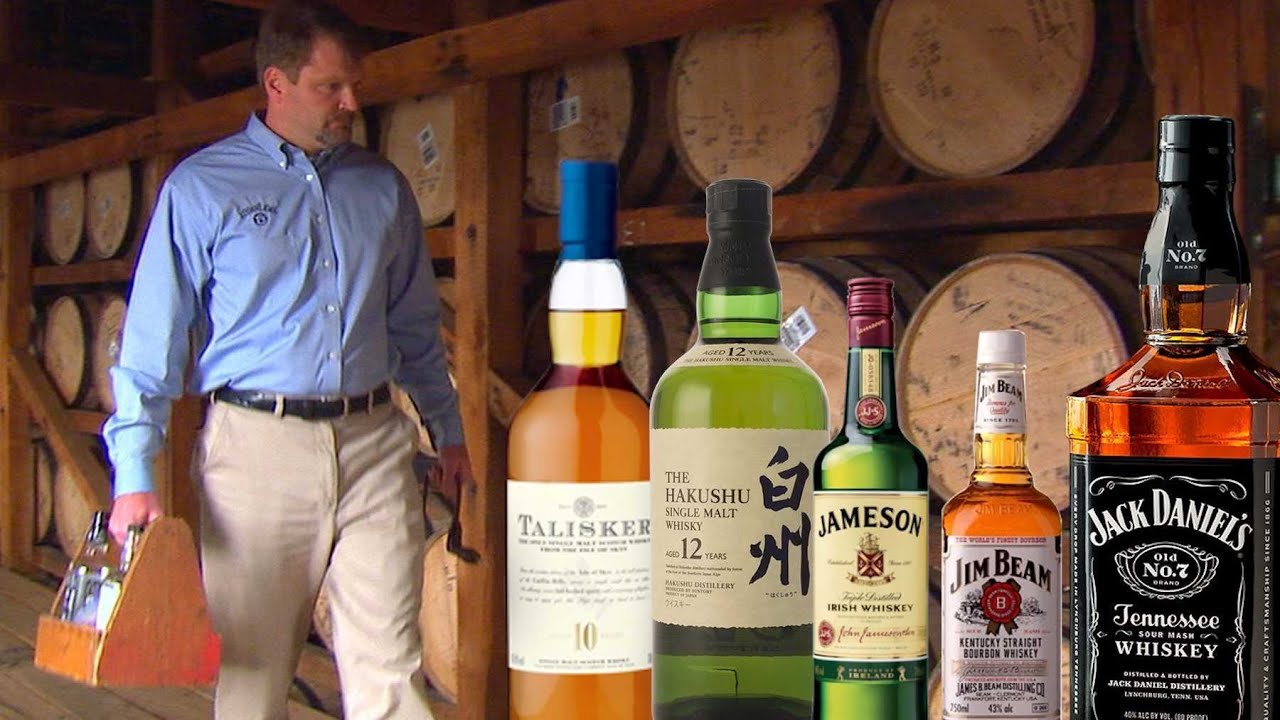
Understanding the Basics: What is Scotch Whiskey?
Scotch whiskey, often simply referred to as Scotch, is a type of distilled alcoholic beverage that originates from Scotland. To be classified as Scotch, the whiskey must adhere to specific regulations set by the Scotch Whisky Association. Primarily, Scotch must be made from malted barley or grain and aged in oak barrels for a minimum of three years. This aging process is crucial as it imparts unique flavors and characteristics to the whiskey, making each bottle distinct.
There are two main types of Scotch whiskey: Single Malt Scotch and Blended Scotch. Single Malt Scotch is produced at a single distillery using only malted barley and pot stills, while Blended Scotch is a mixture of different malt and grain whiskies from various distilleries. The distinction between these two types is significant, as it affects the flavor profile and overall experience of the whiskey.
When it comes to the flavor, Scotch whiskey can vary widely, with common tasting notes including smoky, fruity, and spicy elements. The flavor is influenced by several factors, such as the region of production, the type of barley used, and the distillation process. There are five primary regions in Scotland known for producing Scotch: Speyside, Highlands, Lowlands, Islay, and Campbeltown, each contributing its own unique characteristics to the whiskey.
Understanding Scotch whiskey involves appreciating its rich history and cultural significance in Scotland. It is more than just a drink; it is an integral part of Scottish heritage, with traditions that date back centuries. Whether enjoyed neat, on the rocks, or in cocktails, Scotch whiskey continues to captivate enthusiasts around the world with its complexity and craftsmanship.
Exploring Bourbon: Key Characteristics and Ingredients
Bourbon is a distinctive American whiskey known for its rich flavor profile and strict production requirements. To qualify as bourbon, the spirit must be made from a grain mixture that contains at least 51% corn. This high corn content is what gives bourbon its characteristic sweetness and smoothness. The remaining grains in the mash bill can include rye, wheat, and malted barley, each contributing unique flavors and aromas to the final product.
One of the key characteristics of bourbon is its aging process. Bourbon must be aged in new charred oak barrels, which impart essential flavors and colors to the whiskey. The charring of the barrels caramelizes the sugars in the wood, adding notes of vanilla, caramel, and spice to the bourbon. The aging period can vary, but to be labeled as straight bourbon, it must be aged for a minimum of two years. Longer aging periods often result in deeper flavors and a more complex profile.
Another important aspect of bourbon is its proof. By law, bourbon must be distilled to no more than 160 proof and entered into the barrel at no more than 125 proof. This controlled distillation process helps preserve the natural flavors of the grains and the influence of the barrel. The proof at which bourbon is bottled can vary, but many bourbons are offered at a range of 80 to 100 proof, providing a balance of flavor and strength.
In addition to these characteristics, the water used in bourbon production plays a significant role. Many distilleries source water from natural springs, which can contain minerals that enhance the whiskeys flavor. The combination of these key ingredients—corn, other grains, yeast, and water—along with the meticulous production methods, results in the unique and beloved spirit that is bourbon, celebrated for its complexity and versatility in cocktails and sipping experiences alike.
The Distillation Process: Scotch vs. Bourbon
The distillation process is a crucial step in the production of both Scotch and Bourbon, but the methods and regulations governing each type of whiskey differ significantly. Understanding these differences not only enhances your appreciation for each spirit but also sheds light on their unique flavors and characteristics.
Distillation Methods
Scotch whisky is typically distilled twice in pot stills, a traditional method that contributes to its rich and complex flavor profile. The first distillation occurs in a wash still, where the fermented wash is heated to separate alcohol from the solids. The resulting low wines are then distilled a second time in a spirit still, which refines the alcohol further. This double distillation is essential for achieving the desired purity and character of Scotch.
In contrast, Bourbon is usually distilled in continuous column stills, also known as patent stills. This method allows for a more efficient and continuous process, producing a higher volume of spirit with a lighter flavor profile. Bourbon is distilled to no more than 160 proof and must enter the barrel for aging at no more than 125 proof. This strict regulation helps preserve the distinct sweet notes that Bourbon is known for, primarily derived from its corn mash bill.
Ingredients and Fermentation
Another significant aspect of the distillation process lies in the ingredients used. Scotch is primarily made from malted barley, while Bourbon must contain at least 51% corn in its mash bill. The fermentation process also varies, as Scotch typically undergoes fermentation in open-topped wooden or stainless-steel vessels, allowing for natural yeast to influence the flavor. Conversely, Bourbon often utilizes commercial yeast strains, which can lead to a more consistent but less varied flavor profile.
The differences in distillation methods, ingredients, and fermentation processes ultimately contribute to the distinct characteristics of Scotch and Bourbon. From the rich, smoky flavors of Scotch to the sweet, caramel notes of Bourbon, understanding the distillation process provides insight into what makes each whiskey unique.
Tasting Notes: Flavor Profiles of Scotch Whiskey and Bourbon
Scotch whiskey and bourbon, while both beloved spirits, offer distinct flavor profiles that reflect their unique ingredients and production methods. Understanding these tasting notes enhances the appreciation of each drink, allowing enthusiasts to identify the subtle nuances that set them apart.
Flavor Profiles of Scotch Whiskey
Scotch whiskey is primarily made from malted barley and is known for its complex and rich flavors. Depending on the region of production, the flavor can vary significantly:
- Highland Scotch: Often characterized by a balance of sweetness and smokiness, with notes of heather, floral undertones, and hints of fruit.
- Islay Scotch: Renowned for its peaty and smoky flavors, Islay Scotch often features briny sea notes, medicinal qualities, and a robust, bold finish.
- Speyside Scotch: Typically sweeter and fruitier, Speyside whiskeys present flavors like apple, pear, and honey, often accompanied by vanilla and spice.
Flavor Profiles of Bourbon
Bourbon, on the other hand, is primarily made from corn, which imparts a sweeter flavor profile. The use of charred oak barrels during aging contributes to its signature notes:
- Sweetness: Bourbon is known for its sweet caramel and vanilla notes, often accompanied by rich toffee and honey flavors.
- Spice: Many bourbons exhibit a warming spice, thanks to the rye grain used in the mash bill, which can lead to flavors of cinnamon and nutmeg.
- Fruity Notes: Common fruity undertones include cherry, dried fruit, and citrus, adding complexity to the overall taste experience.
Each spirits flavor profile is influenced by its origin, ingredients, and production techniques, making the exploration of Scotch whiskey and bourbon a delightful journey for the palate. Whether you prefer the smoky depth of Scotch or the sweet richness of bourbon, understanding these tasting notes will enhance your enjoyment of these iconic whiskies.
Choosing the Right Whiskey: When to Drink Scotch vs. Bourbon
When it comes to selecting the perfect whiskey, understanding the nuances between Scotch and Bourbon can significantly enhance your drinking experience. Each type offers distinct flavors and aromas that suit different occasions. Scotch, typically characterized by its smoky, peaty notes, is often enjoyed in a more contemplative setting, making it ideal for sipping slowly while reflecting on the day. On the other hand, Bourbon, known for its sweeter and fuller-bodied profile, is perfect for social gatherings or lively celebrations, where its rich flavors can be savored alongside good company.
Key occasions for enjoying Scotch:
- Quiet Evenings: Scotch is perfect for those moments when you want to unwind after a long day.
- Pairing with Food: Ideal for pairing with rich foods like smoked salmon or dark chocolate.
- Special Celebrations: Often reserved for toasting significant milestones or achievements.
Conversely, Bourbon shines in more vibrant settings. Its sweeter taste makes it a versatile choice for cocktails, such as the classic Old Fashioned or Mint Julep. The warm, inviting flavors of Bourbon can elevate a casual barbecue or a lively party, where its ability to mix well with various ingredients comes into play. Additionally, Bourbon’s rich vanilla and caramel notes complement hearty dishes, making it a fantastic pairing for grilled meats and spicy foods.
Ideal moments for Bourbon:
- Festive Gatherings: A go-to choice for parties, where it can be served neat or in cocktails.
- Casual Celebrations: Perfect for backyard barbecues or game day festivities.
- Mixology: An excellent base for creative cocktails, allowing for experimentation with flavors.
By understanding the unique characteristics of Scotch and Bourbon, you can select the right whiskey for any occasion, ensuring that each sip enhances the experience. Whether you’re celebrating with friends or enjoying a quiet moment of reflection, the choice between Scotch and Bourbon can make all the difference.
See all our content in the Sitemaps or in our Vip Cheers Webmaps!
You read complete Scotch Whiskey vs Bourbon: Key Differences Explained See more about liqueurs here Whisky.
Leave a Reply