
Carbs in a Bottle of Wine: What You Need to Know
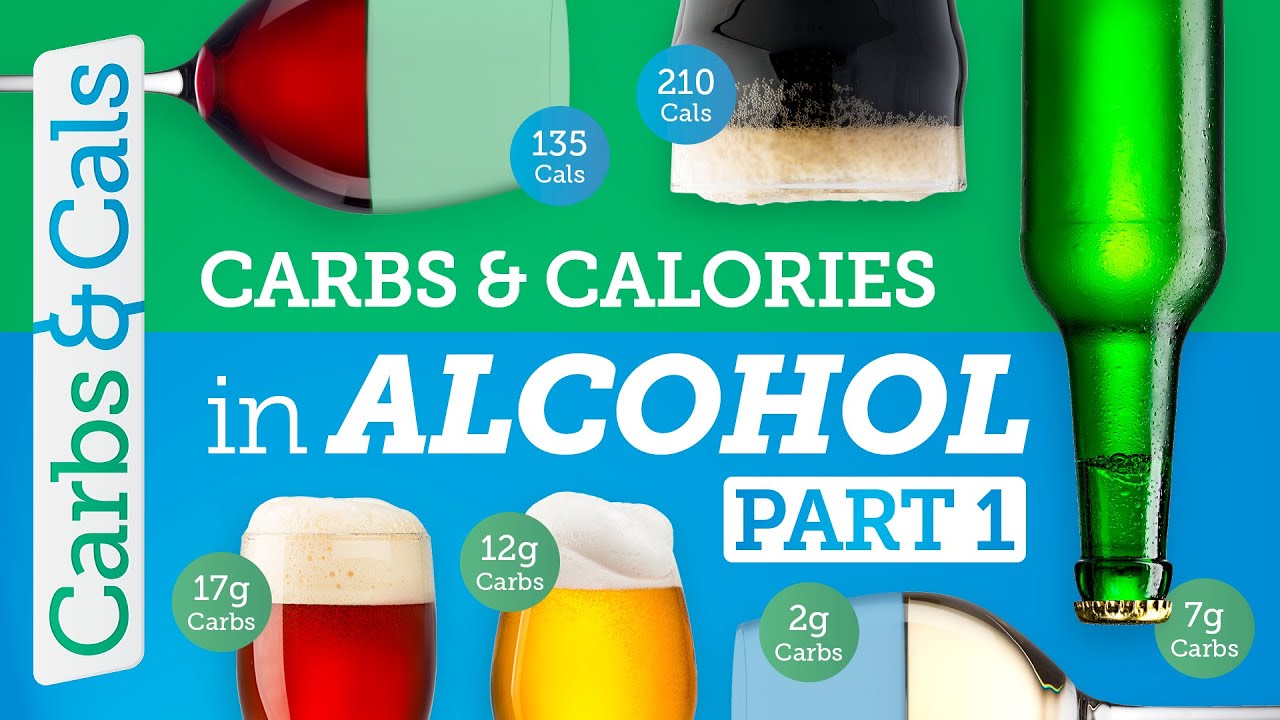
Understanding Carbohydrates: How Many Carbs Are in a Bottle of Wine?
When it comes to wine, many enthusiasts are curious about its nutritional content, particularly the carbohydrate levels. Carbohydrates in wine primarily come from the sugars present in the grapes used during fermentation. Generally, the carbohydrate content in a standard bottle of wine can vary widely depending on the type of wine, the fermentation process, and any additional sugars that may be added.
Types of Wine and Their Carbohydrate Content:
- Dry Wines: Typically, dry wines, such as Cabernet Sauvignon or Chardonnay, contain around 1 to 3 grams of carbohydrates per 5-ounce serving. This translates to roughly 4 to 12 grams of carbs per bottle.
- Semi-Sweet Wines: Semi-sweet wines, including Riesling and Moscato, often have higher sugar content, leading to approximately 5 to 10 grams of carbohydrates per 5-ounce serving, resulting in 20 to 40 grams per bottle.
- Sweet Wines: Sweet dessert wines, such as Port or Sauternes, can contain significantly more carbohydrates, sometimes exceeding 20 grams per 5-ounce serving, which can amount to 80 grams or more per bottle.
Understanding the carbohydrate content in wine is essential for those who are monitoring their carbohydrate intake, such as individuals following a ketogenic diet or those with specific dietary restrictions. Its important to read labels and consult with producers when possible to get the most accurate information. While wine can fit into a balanced diet, being aware of its carbohydrate levels can help you make informed choices that align with your nutritional goals.
Comparing Carbs: Red Wine vs. White Wine - What You Need to Know
When it comes to choosing between red wine and white wine, understanding their carbohydrate content can be crucial for those monitoring their intake. Both types of wine have unique flavors and characteristics, but they also differ in their nutritional profiles. Generally, the carbohydrate content in wine is primarily derived from residual sugars left over after fermentation.
Red Wine Carbohydrate Content
Red wine typically contains slightly higher levels of carbohydrates compared to white wine. On average, a standard 5-ounce serving of red wine has around 3.5 to 4 grams of carbs. This variation can be attributed to the type of grapes used and the winemaking process. Some popular red wines, such as Cabernet Sauvignon and Merlot, may contain higher residual sugars, leading to an increase in carbohydrate levels.
White Wine Carbohydrate Content
In contrast, white wine generally has a lower carbohydrate content, averaging around 2 to 3 grams per 5-ounce serving. Wines like Sauvignon Blanc and Pinot Grigio often fall on the lower end of the spectrum, making them a popular choice for those looking to reduce their carb intake. However, sweeter white wines, such as Riesling or Moscato, can have higher carbohydrate levels, sometimes exceeding those found in red wines.
Key Takeaways on Carbs in Wine
- Red Wine: Approximately 3.5 to 4 grams of carbs per 5-ounce serving.
- White Wine: Approximately 2 to 3 grams of carbs per 5-ounce serving, with sweeter varieties containing more.
- Consider the Type: The specific grape variety and sweetness level play a significant role in determining the carbohydrate content in both red and white wines.
Understanding these differences can help you make more informed choices based on your dietary needs and preferences.
The Impact of Sugar on Carbohydrate Content in Wine
The carbohydrate content in wine is primarily influenced by the sugars present in the grapes used for fermentation. When grapes are harvested, they contain natural sugars, predominantly glucose and fructose. During the fermentation process, yeast converts these sugars into alcohol, resulting in a decrease in sugar content. However, the residual sugar that remains after fermentation can significantly impact the overall carbohydrate content of the wine.
Residual Sugar Levels
The residual sugar level in wine varies widely, depending on the type of wine and the winemaking process. For instance, dry wines typically have less than 1% residual sugar, while sweet wines can contain anywhere from 5% to over 20% residual sugar. This residual sugar not only contributes to the wines sweetness but also affects its carbohydrate content. As sugar is a carbohydrate, higher residual sugar levels directly correlate with increased carbohydrate content in the final product.
Types of Wines and Their Carbohydrate Content
Different styles of wine exhibit varying carbohydrate levels due to their sugar content. Here are some examples:
- Dry Red Wines: Generally contain low residual sugar, resulting in lower carbohydrate levels.
- Dry White Wines: Similar to dry reds, these wines typically have minimal residual sugar.
- Semi-Sweet Wines: These wines have moderate levels of residual sugar, leading to a higher carbohydrate content compared to dry varieties.
- Sweet Wines: With significant residual sugar, these wines can have a notably higher carbohydrate content, appealing to those who enjoy sweeter flavors.
Understanding the relationship between sugar and carbohydrate content in wine is crucial for consumers, especially those monitoring their carbohydrate intake. Whether for dietary reasons or personal preference, knowing how different wines are made and their sugar levels can help wine enthusiasts make informed choices.
Low-Carb Wine Options: Choosing the Best Bottle for Your Diet
When it comes to maintaining a low-carb diet, selecting the right wine can be a challenge. Many traditional wines are packed with sugars and carbohydrates, which can derail your dietary goals. However, with a little knowledge, you can find low-carb wine options that allow you to enjoy a glass without compromising your diet.
Types of Low-Carb Wines
When choosing a low-carb wine, its essential to consider the type of wine you are selecting. Here are some popular options that typically contain fewer carbs:
- Dry Red Wines: Varieties like Cabernet Sauvignon, Merlot, and Pinot Noir are excellent choices, often containing 3-4 grams of carbs per glass.
- Dry White Wines: Look for Sauvignon Blanc and Chardonnay, which usually have around 2-3 grams of carbs per serving.
- Sparkling Wines: Brut Champagne and other dry sparkling wines can be low in carbs, often with less than 1-2 grams per glass.
- Low-Carb Wines: Some brands specifically market low-carb options, with less than 1 gram of carbs per serving, making them perfect for keto or low-carb diets.
Understanding Wine Labels
To make informed choices, its crucial to understand wine labels. Look for terms such as "dry" or "brut," which indicate lower sugar content. Avoid wines labeled as "sweet" or "semi-sweet," as these tend to have higher carbohydrate counts. Additionally, some wines have nutritional information available, making it easier to assess their carb content.
Serving Size Matters
Remember that serving size plays a significant role in your carb intake. A standard serving of wine is typically 5 ounces, but its easy to pour more. To stay within your carb limits, measure your servings and be mindful of the wine you choose. By selecting low-carb wines and practicing portion control, you can enjoy your favorite beverages while adhering to your dietary preferences.
FAQs About Carbs in Wine: Common Questions Answered
When it comes to enjoying a glass of wine, many people are curious about the carbohydrate content. Below, we address some of the most frequently asked questions regarding carbs in wine to help you make informed choices.
1. How Many Carbs Are in Wine?
The carbohydrate content in wine varies significantly depending on the type and sweetness of the wine. On average, a standard 5-ounce serving of dry red or white wine contains approximately 3 to 4 grams of carbohydrates. In contrast, sweeter wines, such as dessert wines, can contain up to 20 grams or more of carbohydrates per serving.
2. Does Wine Have Sugar?
Yes, wine does contain sugar, which contributes to its carbohydrate content. The sugar in wine comes from the natural sugars in grapes. During fermentation, yeast converts these sugars into alcohol, but some residual sugar may remain, especially in sweeter wines. For those monitoring their sugar intake, it’s essential to check the label or choose dry wines that typically have lower sugar levels.
3. Can I Drink Wine on a Low-Carb Diet?
Yes, you can enjoy wine while following a low-carb diet, but moderation is key. Opting for dry wines, such as Cabernet Sauvignon, Merlot, or Sauvignon Blanc, can help you keep your carb intake in check. Additionally, sparkling wines like Brut Champagne often have lower sugar levels, making them a suitable choice for those watching their carbohydrates.
4. How Do Different Types of Wine Compare?
Here’s a quick comparison of the carbohydrate content in various types of wine:
- Dry Red Wine: 3-4 grams of carbs
- Dry White Wine: 3-4 grams of carbs
- Sweet White Wine: 10-20 grams of carbs
- Dessert Wine: 20 grams or more of carbs
Understanding the carbohydrate content in wine can enhance your wine-drinking experience, allowing you to choose options that align with your dietary preferences.
See all our content in the Sitemaps or in our Vip Cheers Webmaps!
You read complete Carbs in a Bottle of Wine: What You Need to Know See more about liqueurs here Wine.
Leave a Reply