
Can You Make Brandy from Wine? Discover the Process Today!
Can brandy be made from wine?
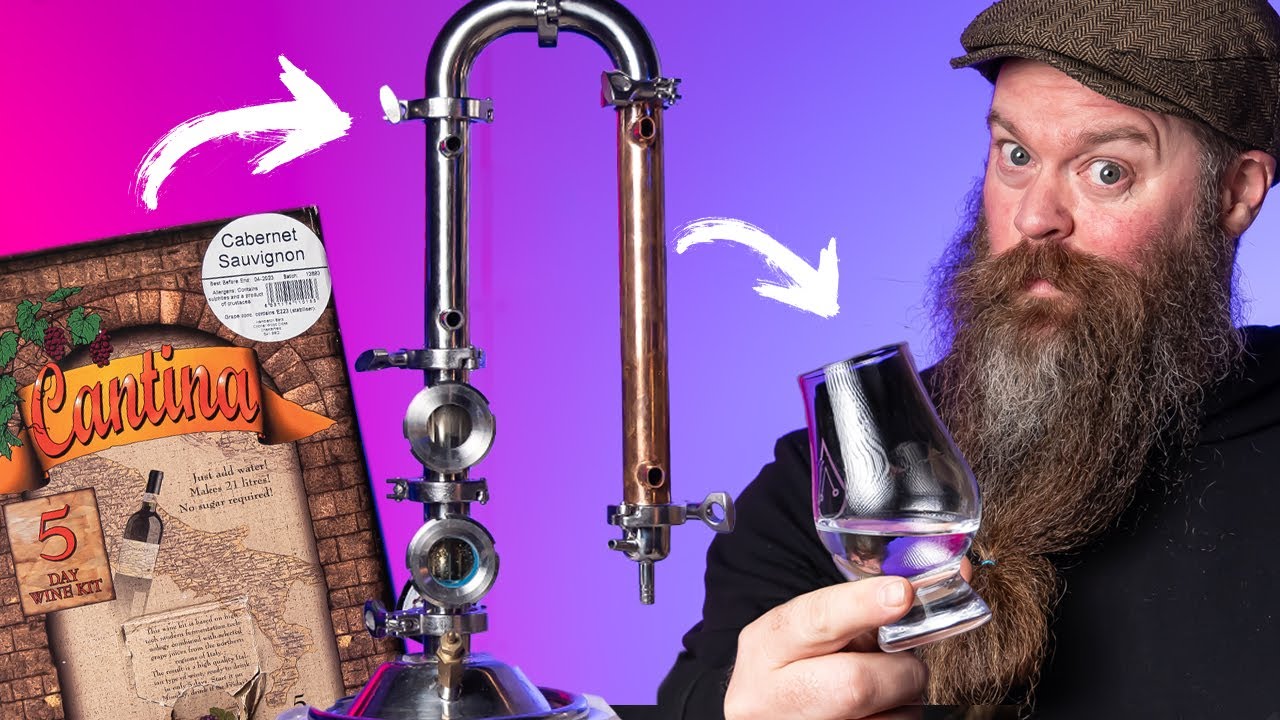
Yes, brandy can indeed be made from wine. In fact, the primary ingredient in most brandies is fermented fruit juice, with wine being the most common base. Brandy is produced through a process called distillation, where wine is heated to separate the alcohol from the water and other components. This process concentrates the flavors and increases the alcohol content, resulting in the rich and complex spirit that brandy is known for.
Understanding the Distillation Process
The distillation process for making brandy from wine involves several key steps:
- Fermentation: Wine is created by fermenting grapes, which convert sugars into alcohol.
- Distillation: The fermented wine is heated in a still, allowing the alcohol to evaporate and then condense back into liquid form.
- Aging: The distilled spirit is often aged in wooden casks, which imparts additional flavors and aromas to the brandy.
The result is a spirit that retains the essence of the original wine while developing new flavors through aging and the distillation process. The type of wine used can significantly influence the flavor profile of the final brandy, leading to a diverse range of styles and characteristics.
Types of Brandy Made from Wine
There are several types of brandy that can be made from wine, each with its unique attributes:
- Cognac: A type of brandy produced in the Cognac region of France, made exclusively from specific grape varieties.
- Armagnac: Another French brandy, typically distilled using traditional methods, which gives it a distinctive flavor.
- Spanish Brandy: Often made from Airén or Palomino grapes, it is known for its rich and sweet profiles.
These variations highlight the versatility of wine as a base for brandy, allowing producers to create a wide array of flavors and styles that appeal to different palates.
What happens if you distill wine?
When you distill wine, the process involves heating the liquid to separate the alcohol from the water and other components. This is achieved through a method known as distillation, which takes advantage of the different boiling points of various substances. As the wine is heated, the alcohol evaporates first, allowing it to be collected and condensed back into liquid form. The result is a higher concentration of alcohol compared to the original wine.
Key Components of Distillation:
- Heating: The wine is heated in a still, causing the alcohol to evaporate.
- Condensation: The vapor is cooled, allowing it to return to liquid form.
- Separation: Other components, such as water, tannins, and acids, are left behind, resulting in a more concentrated spirit.
The distillation process can yield a variety of products depending on the original wine used. For instance, if you distill a red wine, the resulting spirit may retain some of the flavors and aromas from the grapes, but in a much more potent form. This concentrated alcohol can then be used to create spirits like brandy, which is specifically made from distilled wine. The flavors can vary widely based on the type of wine, the distillation method, and any additional aging processes that may follow.
Moreover, the alcohol content of the distilled product is significantly higher than that of the original wine. While typical wines have an alcohol by volume (ABV) of around 12-15%, distilled spirits can reach ABV levels of 40% or more. This increase in alcohol concentration not only affects the taste but also impacts how the beverage is consumed and enjoyed. Distilled wine products often serve as the base for cocktails or can be enjoyed neat, allowing for a completely different drinking experience compared to their original wine form.
Can wine turn into Cognac?
Cognac is a type of brandy that is specifically produced in the Cognac region of France, and it is made from grapes. While it may seem logical to think that wine could transform into Cognac, the process is much more complex. In essence, wine itself does not turn into Cognac; rather, Cognac is distilled from wine. This distinction is crucial in understanding the production of this esteemed spirit.
To create Cognac, winemakers begin with a specific variety of grapes, primarily the Ugni Blanc, which are fermented to produce a low-alcohol wine. This wine serves as the foundation for the distillation process. The wine must then undergo double distillation in pot stills, a method that is integral to developing the unique flavors and aromas associated with Cognac. This process elevates the alcohol content and refines the wine into a high-quality spirit.
Once distilled, the resulting eau-de-vie (water of life) is aged in oak barrels for a minimum of two years. During this aging process, the spirit interacts with the wood, which imparts additional flavors and complexity. The longer the Cognac is aged, the richer and more nuanced its profile becomes. Its this careful aging, combined with the distillation of wine, that ultimately transforms the initial grape juice into the luxurious Cognac that enthusiasts cherish.
In summary, while wine is the starting point for Cognac, it does not merely "turn into" Cognac. The transformation requires precise distillation, aging, and a deep understanding of the craft, resulting in a sophisticated spirit that reflects the heritage and tradition of the Cognac region.
What brandy is distilled from wine making leftovers?
When it comes to brandy distilled from wine making leftovers, the term you are looking for is "pomace brandy." This unique spirit is produced from the remnants of grape pressing, specifically the skins, seeds, and stems that are left over after the juice has been extracted for winemaking. Pomace brandy captures the essence of the grape while utilizing what would otherwise be waste, making it an eco-friendly choice in the world of spirits.
One of the most famous examples of pomace brandy is Grappa, which originates from Italy. Grappa is typically clear and can range in flavor from fruity to earthy, depending on the grape varieties used and the distillation process. Another well-known type is Marc, a French pomace brandy that is often richer and more robust than Grappa, as it is made from the leftover grape material after the wine has been pressed. Both Grappa and Marc showcase the versatility and complexity that can be derived from grape pomace.
The production of pomace brandy involves several steps, including fermentation and distillation. The pomace is fermented to convert any residual sugars into alcohol, and then it is distilled to create the final spirit. This process not only enhances the flavors but also preserves the aromatic qualities of the grapes, resulting in a brandy that reflects the characteristics of the original wine.
Pomace brandies can be enjoyed in various ways, whether sipped neat, used in cocktails, or even as a digestif after a meal. They are often appreciated for their robust flavors and ability to highlight the terroir of the grapes used, making them a fascinating choice for brandy enthusiasts looking to explore beyond traditional grape-based brandies.
See all our content in the Sitemaps or in our Vip Cheers Webmaps!
You read complete Can You Make Brandy from Wine? Discover the Process Today! See more about liqueurs here Wine.
Leave a Reply