
Can You Drive After Drinking Non-Alcoholic Beer? Find Out!
Introduction to Non-Alcoholic Beer
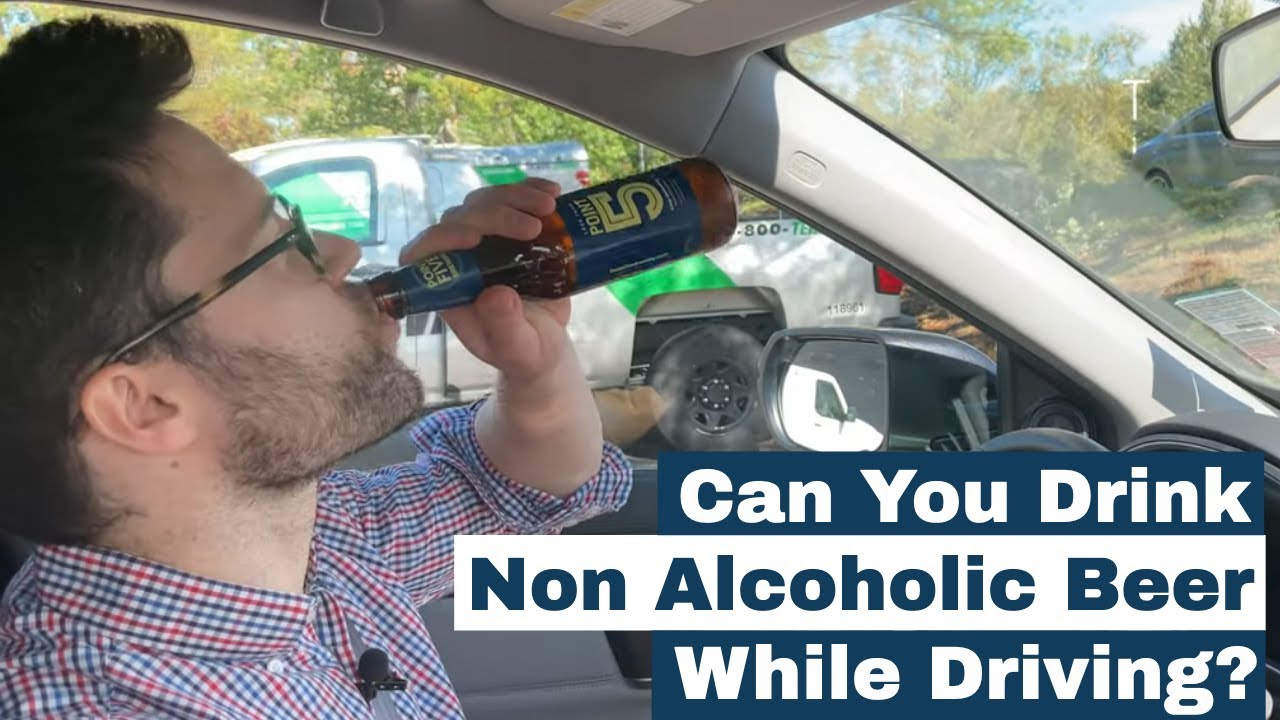
In recent years, the popularity of non-alcoholic beer has surged, appealing to a wide audience. People are increasingly choosing these beverages for various reasons, including health concerns, lifestyle choices, and the desire to enjoy the taste of beer without the effects of alcohol. But a common question arises: Can you drive after drinking non-alcoholic beer? This article aims to explore this question in detail, providing you with the information you need to make informed decisions.
Understanding Non-Alcoholic Beer
Non-alcoholic beer, also known as NA beer, is brewed in a similar way to traditional beer but undergoes a process to remove most of the alcohol content. Typically, non-alcoholic beers contain less than 0.5% alcohol by volume (ABV), which is significantly lower than the 5% to 7% ABV found in regular beers.
The Brewing Process
The brewing process for non-alcoholic beer involves several steps:
- Fermentation: Similar to regular beer, non-alcoholic beer begins with fermentation, where yeast converts sugars into alcohol.
- Alcohol Removal: After fermentation, the alcohol is removed through various methods such as heating or vacuum distillation.
- Flavoring: To maintain the taste, brewers often add flavors or other ingredients back into the beer after alcohol removal.
Alcohol Content: A Closer Look
One of the main reasons people question whether they can drive after drinking non-alcoholic beer is the alcohol content. While it is true that non-alcoholic beers contain a very low level of alcohol, it’s important to understand how this might affect your ability to drive.
Legal Limits for Blood Alcohol Concentration (BAC)
In most places, the legal limit for blood alcohol concentration (BAC) while driving is 0.08%. However, this limit can vary by country and even by state or province. Some regions have a zero-tolerance policy for underage drivers or for those with prior DUI offenses.
How Non-Alcoholic Beer Affects BAC
Drinking non-alcoholic beer may result in a slight increase in BAC, but it is typically negligible. For most people, consuming a non-alcoholic beer or two will not push them over the legal limit. However, several factors can influence how non-alcoholic beer affects an individuals BAC:
- Body Weight: Heavier individuals may metabolize alcohol more efficiently than lighter individuals.
- Metabolism: Individual metabolic rates can affect how quickly alcohol is processed in the body.
- Food Intake: Eating before or while drinking can slow the absorption of alcohol into the bloodstream.
Safety Considerations When Driving After Drinking Non-Alcoholic Beer
While the legalities of driving after consuming non-alcoholic beer may seem straightforward, personal safety and the safety of others on the road should be paramount. Here are some important considerations:
Physical and Mental Impairment
Even with a low alcohol content, some individuals may experience mild impairment after consuming non-alcoholic beer. Symptoms may include:
- Decreased Reaction Time: This can be particularly concerning when driving.
- Impaired Judgment: Alcohol, even in small amounts, can affect decision-making abilities.
- Drowsiness: Some non-alcoholic beers contain ingredients that can lead to fatigue.
In social settings, the consumption of non-alcoholic beer may lead to peer pressure to consume regular alcoholic beverages. Its essential to recognize your limits and make informed choices. If you’re in a situation where you feel pressured to drink alcohol, consider the following:
- Know Your Limits: Understanding your personal tolerance for alcohol is crucial.
- Be Assertive: Politely decline offers for alcoholic drinks if you prefer to stick to non-alcoholic options.
- Designate a Driver: If you plan to drink, arrange for a sober driver or use public transportation.
Potential Benefits of Non-Alcoholic Beer
Despite the concerns, non-alcoholic beer does offer several benefits, making it a popular choice among many individuals:
Health Benefits
Non-alcoholic beer can provide some health benefits, including:
- Low Calorie Count: Most non-alcoholic beers have fewer calories than their alcoholic counterparts.
- Hydration: Non-alcoholic beer can contribute to hydration, unlike alcoholic beverages that often lead to dehydration.
- Rich in Nutrients: Some non-alcoholic beers contain vitamins and minerals, such as B vitamins and antioxidants.
Non-alcoholic beer allows individuals to enjoy the social aspects of drinking without the risks associated with alcohol consumption. This can be particularly beneficial for:
- Designated Drivers: Those who are driving can still participate in social drinking.
- Individuals in Recovery: Those recovering from alcohol addiction can enjoy the taste of beer without the associated risks.
- Health-Conscious Individuals: People who want to enjoy the taste of beer without the effects of alcohol.
Understanding Local Laws and Regulations
Before consuming non-alcoholic beer and driving, it is crucial to understand the laws and regulations in your area. Some key points to consider include:
Alcohol Tolerance Levels
As mentioned earlier, the legal BAC limit varies by location. Its essential to be aware of your local laws regarding alcohol consumption and driving. In some places, even the trace amounts of alcohol in non-alcoholic beer could potentially lead to legal repercussions if you are stopped by law enforcement.
Public Perception
Even if you are legally allowed to drive after consuming non-alcoholic beer, public perception can also play a role. Some individuals may view drinking non-alcoholic beer in public as inappropriate or may make assumptions about your sobriety based on your beverage choice. Being mindful of this can help you navigate social situations more effectively.
Conclusion: Making Informed Choices
In conclusion, the question of whether you can drive after drinking non-alcoholic beer is not a simple yes or no answer. While non-alcoholic beer typically contains less than 0.5% alcohol and is generally safe for driving, individual factors such as body weight, metabolism, and personal tolerance must be considered.
Ultimately, the decision to drive after consuming non-alcoholic beer should be made with careful consideration of your own physical state, local laws, and the potential for impairment. Always prioritize safety—if you have any doubts about your ability to drive, it’s best to err on the side of caution.
By understanding the effects of non-alcoholic beer, the legal implications, and your personal limits, you can make informed decisions that allow you to enjoy the social aspects of drinking without compromising safety on the road. Remember, it’s always better to be safe than sorry.
See all our content in the Sitemaps or in our Vip Cheers Webmaps!
You read complete Can You Drive After Drinking Non-Alcoholic Beer? Find Out! See more about liqueurs here Beer.
Leave a Reply