
Can I Take a Bottle of Wine on an Airplane? Your Essential Guide
- Understanding Airline Regulations: Can I Take a Bottle of Wine on an Airplane?
- Carry-On vs. Checked Baggage: Where to Store Your Wine on a Flight
- International Travel Tips: Taking Wine on an Airplane Across Borders
- Best Practices for Packing Wine Bottles When Flying
- Alternatives to Bringing Wine: Options for Wine Lovers Traveling by Air
Understanding Airline Regulations: Can I Take a Bottle of Wine on an Airplane?
When planning your next flight, you may wonder about the rules surrounding bringing a bottle of wine on board. Airline regulations can vary significantly, but understanding the general guidelines can help ensure a smooth travel experience. Most airlines allow passengers to carry wine, but there are specific restrictions you need to be aware of, especially concerning the amount and packaging.
Carry-On vs. Checked Luggage
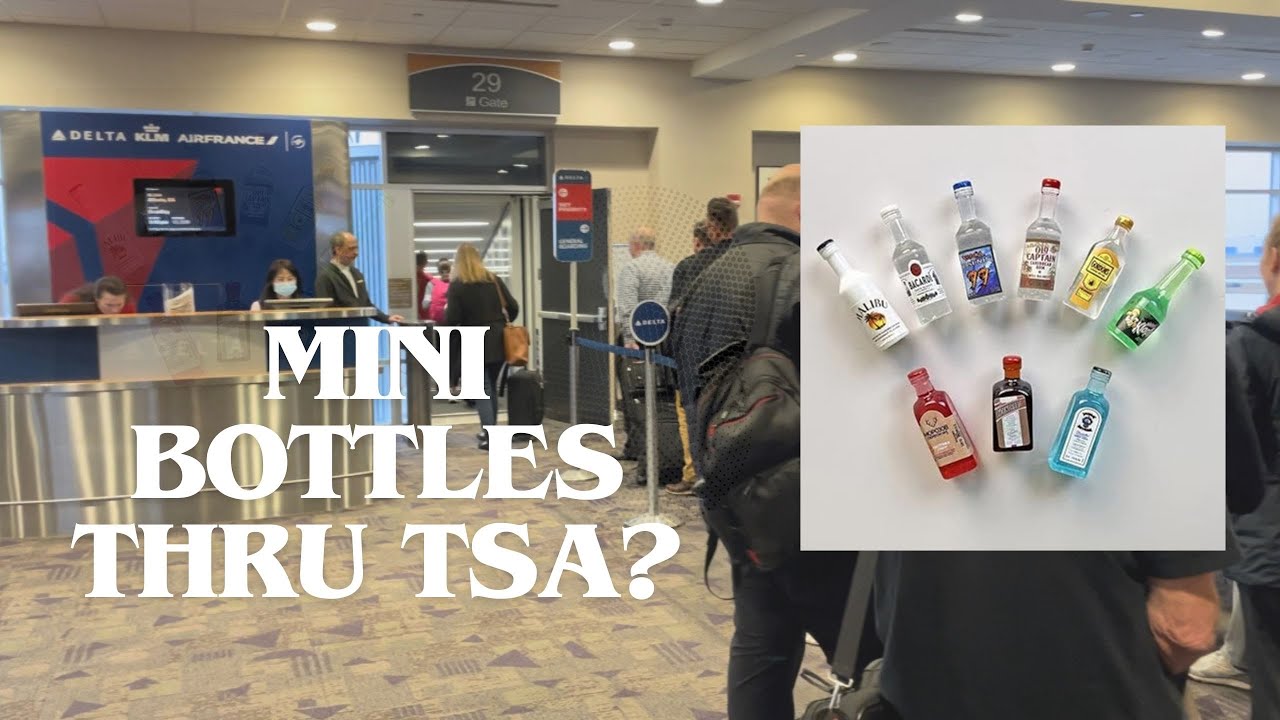
One of the primary considerations is whether you intend to carry the wine in your carry-on luggage or checked baggage. If you plan to take a bottle of wine as a carry-on, you must adhere to the Transportation Security Administration (TSA) liquid restrictions. This means that any liquid, including wine, must be in containers of 3.4 ounces (100 milliliters) or less and fit into a single quart-sized clear bag. However, if you are checking your luggage, you can typically pack a full-sized bottle of wine without any restrictions on volume.
International Travel Considerations
When flying internationally, its essential to consider the regulations of both your departure and destination countries. Some countries have strict laws regarding the importation of alcohol, which could limit the amount of wine you can bring. Additionally, customs regulations may require you to declare any alcohol you are carrying, and there may be taxes or duties applied. Always check the specific rules for your destination to avoid any surprises upon arrival.
Airline-Specific Policies
In addition to TSA and international regulations, individual airlines may have their own policies regarding the transportation of alcohol. While most airlines permit passengers to bring wine on board, they may have restrictions on how much you can carry. For example, some airlines may limit you to a certain number of liters per passenger or may not allow alcohol purchased at duty-free shops to be consumed during the flight. Always consult your airlines official guidelines before traveling to ensure compliance and avoid any inconveniences at the airport.
Carry-On vs. Checked Baggage: Where to Store Your Wine on a Flight
When traveling with wine, understanding the best storage options is crucial to ensure your bottles arrive safely at your destination. One of the primary considerations is whether to pack your wine in carry-on luggage or checked baggage. Each option comes with its own set of advantages and challenges.
Carry-On Baggage: Benefits and Limitations
Storing your wine in carry-on baggage is often the preferred choice for many travelers. This option allows you to keep your wine within your sight, reducing the risk of breakage and temperature fluctuations. Most airlines permit passengers to bring one or two bottles of wine in their carry-on, provided they adhere to liquid restrictions. Here are some benefits of choosing carry-on for your wine:
- Protection from temperature changes: Keeping your wine with you helps maintain a consistent temperature.
- Minimized risk of damage: You have more control over your luggage, reducing the chances of breakage.
- Easy access: You can enjoy your wine shortly after arriving at your destination.
However, it’s important to note that you must adhere to TSA regulations regarding liquids. This means your wine must be in bottles of 3.4 ounces or less if you want to bring it through security. For full bottles, you’ll need to check with your airline’s specific policies on bringing wine onboard.
Checked Baggage: Pros and Cons
On the other hand, checked baggage can be a viable option for transporting wine, especially if you’re bringing multiple bottles or larger formats. Many airlines allow you to check wine, but there are several considerations to keep in mind:
- Increased risk of damage: Checked luggage is often subject to rough handling, which can lead to breakage.
- Weight limitations: Wine can add significant weight to your luggage, potentially leading to extra fees.
- Temperature exposure: Your wine may be exposed to varying temperatures during the flight, which can affect its quality.
To minimize the risk of damage when checking wine, consider using padded wine carriers or specialized wine shipping boxes. Additionally, check your airlines policies regarding the maximum number of bottles allowed in checked baggage to ensure compliance.
International Travel Tips: Taking Wine on an Airplane Across Borders
When planning to take wine on an airplane across borders, it’s essential to be aware of the regulations that vary from country to country. Before packing your favorite bottle, research the specific laws of both your departure and destination countries. Some nations have strict limits on the amount of alcohol you can bring, while others may prohibit certain types of wine altogether. Familiarizing yourself with these rules can save you from unexpected fines or confiscation at customs.
Here are some key considerations to keep in mind:
- Check airline regulations: Different airlines have varying policies regarding the transport of alcohol. Confirm your airlines rules regarding the maximum quantity allowed in checked or carry-on luggage.
- Packaging: Ensure that your wine is securely packaged to prevent breakage. Many travelers use padded wine carriers or special wine shipping boxes to protect their bottles during transit.
- Customs declarations: Always declare your wine at customs when arriving in a new country. Failing to do so could result in penalties. Some countries allow a certain quantity of alcohol to be brought in duty-free, while others may impose taxes.
In addition to understanding regulations, consider the climate of your destination. Extreme temperatures can affect the quality of wine, so if youre traveling to a hot location, take precautions to keep your wine at a stable temperature. Utilizing insulated bags or coolers can help maintain the ideal conditions for your bottles during transit. If youre traveling internationally, be mindful of the time it takes to get through customs, as this may impact the wine’s condition if left in a hot car or unconditioned space.
Lastly, if you’re a wine enthusiast planning to purchase wine abroad, remember to keep the receipt. This not only serves as proof of purchase but may also be required for customs declarations. Keeping your wine adventure compliant with international regulations will enhance your travel experience and allow you to enjoy your favorite wines from around the world.
Best Practices for Packing Wine Bottles When Flying
When traveling with wine, ensuring its safe transport is crucial to avoid breakage and spoilage. Here are some best practices to follow when packing wine bottles for a flight.
Choose the Right Packaging
To protect your wine bottles during transit, opt for specialized wine shipping boxes or wine travel bags. These are designed with padded compartments that cradle each bottle, minimizing movement and impact. If you cant find these options, you can also use a sturdy cardboard box with dividers. Make sure to wrap each bottle individually in bubble wrap or clothes for extra cushioning.
Seal and Label Your Bottles
Before packing, ensure that all wine bottles are sealed tightly to prevent any leakage. Additionally, consider using tape to secure the cork if youre worried about it popping during the flight. Clearly label your package as “Fragile” to alert airline staff to handle it with care. If you are carrying the wine in your checked luggage, it’s a good idea to inform the airline ahead of time about the contents.
Know the Airline Regulations
Familiarize yourself with the airline’s regulations regarding the transport of alcohol. Most airlines allow you to carry wine in your checked luggage, but restrictions on the quantity and alcohol content may apply. Additionally, ensure that your destination country permits the import of alcohol and check for any customs regulations that might impact your wine transport.
By following these best practices, you can enjoy your favorite wines from your travels without the worry of damage or loss.
Alternatives to Bringing Wine: Options for Wine Lovers Traveling by Air
Traveling by air doesn’t have to mean leaving your love for wine behind. Fortunately, there are several appealing alternatives for wine enthusiasts who want to indulge in their passion while on the go. From purchasing local selections to exploring wine-themed experiences at your destination, here are some great options to consider.
Buy Local Wine at Your Destination
One of the best ways to enjoy wine while traveling is to buy local varieties upon arrival. Many regions are known for their unique wines, and purchasing directly from local wineries or shops not only supports the community but also allows you to taste the best offerings of the area. Consider these tips when buying wine on location:
- Research Local Wineries: Look up wineries in the area before your trip and plan visits or tastings.
- Visit Wine Shops: Explore local wine shops for curated selections and expert recommendations.
- Attend Wine Festivals: If your travel dates coincide with a local wine festival, take advantage of the opportunity to sample and purchase a variety of wines.
Join Wine Tasting Tours
Another excellent alternative is to participate in wine tasting tours. Many destinations offer guided tours that include visits to multiple wineries, where you can sample various wines and learn about the winemaking process. These tours often include transportation, so you can enjoy the experience without worrying about getting back safely. Look for options that offer:
- Private Tours: For a more personalized experience, consider booking a private tour with a knowledgeable guide.
- Group Tours: Join a group tour to meet fellow wine lovers and share the experience.
- Themed Tours: Some tours focus on specific wine types, such as organic or biodynamic wines, which can enhance your tasting experience.
Explore Wine Bars and Restaurants
If you prefer a more relaxed setting, visiting wine bars or restaurants that specialize in wine can be a delightful alternative. Many establishments offer extensive wine lists featuring both local and international selections, allowing you to enjoy a glass or two without the hassle of transporting bottles. When dining out, consider:
- Pairing Recommendations: Ask your server for food and wine pairing suggestions to enhance your meal.
- Wine Flights: Many wine bars offer tasting flights, allowing you to sample several wines at once.
- Happy Hours: Look for wine specials during happy hours to enjoy quality wines at a lower price.
See all our content in the Sitemaps or in our Vip Cheers Webmaps!
You read complete Can I Take a Bottle of Wine on an Airplane? Your Essential Guide See more about liqueurs here Wine.
Leave a Reply