
Calories in a Bottle of Cabernet Wine: What You Need to Know
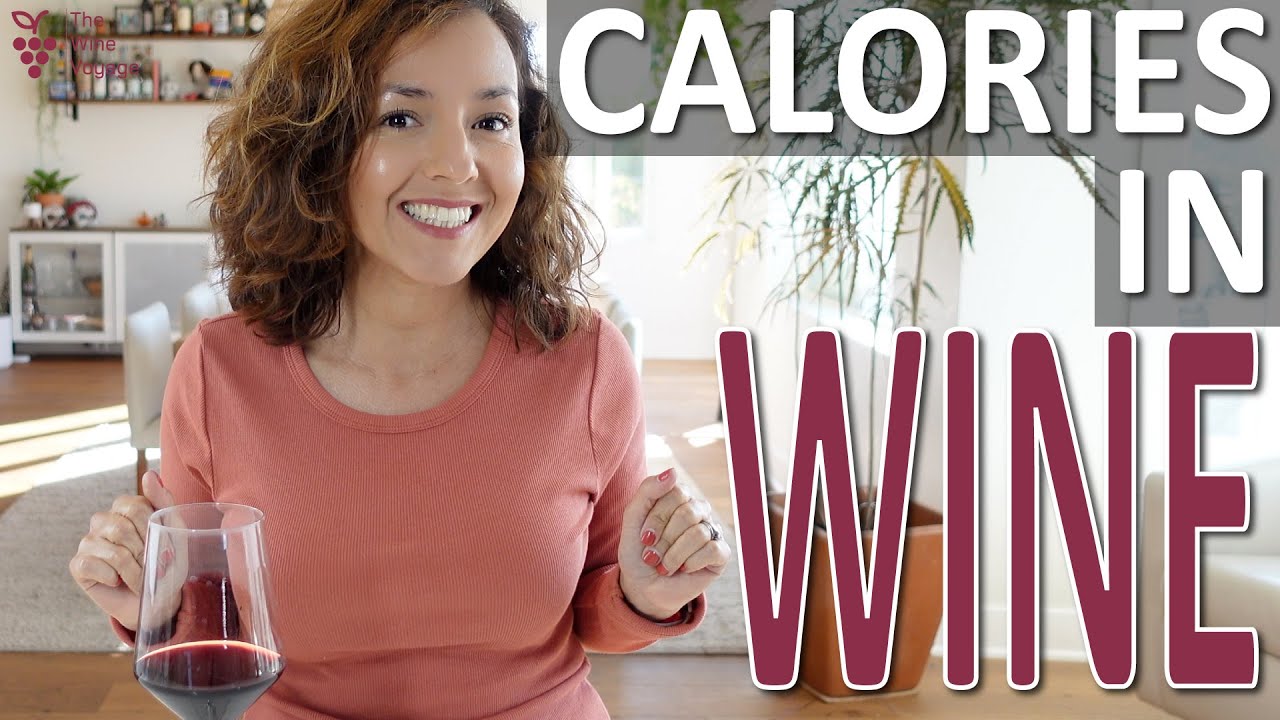
Understanding the Caloric Content of Cabernet Wine
When it comes to enjoying a glass of Cabernet wine, many enthusiasts are curious about its caloric content. Understanding the calories in Cabernet can help wine lovers make informed choices, especially if they are mindful of their dietary intake. Typically, a standard 5-ounce serving of Cabernet Sauvignon contains approximately 120 to 130 calories. This range can vary based on factors such as the specific vineyard, winemaking process, and residual sugar levels.
Factors Influencing Caloric Content
Several factors contribute to the caloric content of Cabernet wine, including:
- Alcohol Content: Higher alcohol levels often lead to increased calories, as alcohol itself contributes about 7 calories per gram.
- Residual Sugar: Some Cabernet wines may have varying levels of residual sugar, which can add to the overall caloric count. Drier wines typically have fewer calories compared to sweeter varieties.
- Winemaking Techniques: Different fermentation and aging processes can impact the final products composition, including its caloric value.
Understanding these factors can help consumers choose a Cabernet that aligns with their dietary preferences. For those who are particularly health-conscious, opting for drier styles or wines with lower alcohol content can be a smart choice.
Comparing Cabernet with Other Wines
When comparing Cabernet Sauvignon to other popular wine varieties, it’s essential to note that the caloric content can differ significantly. For instance, a 5-ounce serving of Chardonnay may contain around 120 calories, while sweeter wines like Port can exceed 200 calories per serving. This comparison highlights the importance of being aware of the specific type of wine you are consuming.
Ultimately, understanding the caloric content of Cabernet wine allows enthusiasts to enjoy their favorite varietals while remaining conscious of their overall caloric intake. By considering factors such as alcohol content and residual sugar, wine lovers can make choices that align with their lifestyle and health goals.
How Many Calories Are in a Standard Bottle of Cabernet Wine?
When it comes to understanding the caloric content of wine, Cabernet Sauvignon is one of the most popular varieties. A standard bottle of Cabernet wine, which typically contains 750 milliliters, has a calorie count that can vary based on factors such as alcohol content and residual sugars. On average, a standard bottle of Cabernet Sauvignon contains approximately 600 to 625 calories.
The calorie content in Cabernet wine primarily comes from alcohol and residual sugars. As a general rule, wines with higher alcohol content will have more calories. For example, a bottle of Cabernet with an alcohol by volume (ABV) of around 13.5% to 15% tends to fall within the higher end of the calorie range. Here’s a breakdown of how calories are distributed in a standard bottle:
- Alcohol: Each gram of alcohol contains about 7 calories.
- Sugars: The remaining calories come from natural sugars found in the grapes.
- Serving Size: A standard serving of wine is typically 5 ounces, which contains around 120-125 calories.
Its important to note that different producers may have varying practices when it comes to fermentation and aging, which can influence the final calorie count. Additionally, some Cabernet wines may be labeled as "dry," indicating lower residual sugar levels, while others may have a "fruit-forward" profile with slightly higher sugars. This can affect your overall calorie intake if you’re mindful of your diet. Always check the label or consult with the winery for specific information on the wine you are consuming.
Factors Affecting the Caloric Value of Cabernet Wine
The caloric value of Cabernet wine is influenced by several key factors, each contributing to its overall composition. Understanding these factors can help wine enthusiasts make informed choices regarding their consumption.
1. Sugar Content
One of the primary determinants of a wines caloric value is its sugar content. During the fermentation process, sugars from the grapes are converted into alcohol. However, if the fermentation is stopped early, residual sugars remain, leading to a sweeter wine with a higher calorie count. Cabernet Sauvignon, typically known for its dry profile, can still have variations in sweetness depending on the winemaking techniques used.
2. Alcohol Percentage
The alcohol content in Cabernet wine also plays a significant role in its caloric value. Alcohol itself is calorie-dense, providing approximately 7 calories per gram. As the alcohol percentage increases, so does the caloric content. Most Cabernet wines range from 12% to 15% alcohol by volume (ABV), with higher ABV wines generally containing more calories due to the greater amount of alcohol present.
3. Additional Ingredients
In some cases, winemakers may add other ingredients to enhance flavor, aroma, or stability, which can also impact the caloric value. Ingredients such as oak chips or flavoring agents can contribute additional calories. Additionally, some wines undergo processes like sweetening or the addition of other fruits, which can further elevate the caloric content.
4. Serving Size
Finally, the serving size of Cabernet wine significantly affects its caloric intake. A standard serving of wine is typically 5 ounces, but many people pour larger servings, inadvertently increasing their calorie consumption. Being mindful of the serving size can help wine drinkers better manage their caloric intake while enjoying their favorite Cabernet.
Comparing Calories: Cabernet Wine vs. Other Popular Wines
When it comes to wine, calorie content is a crucial factor for many health-conscious drinkers. Cabernet Sauvignon, a bold red wine, is often enjoyed for its rich flavors and aromas, but it also has a specific calorie profile that is important to consider. On average, a 5-ounce serving of Cabernet Sauvignon contains approximately 120-125 calories. This calorie count can vary slightly based on the winemaking process and the specific vineyard, but it generally falls within this range.
In comparison to other popular wines, Cabernet Sauvignon holds a moderate position in terms of calorie content. For example, a similar serving size of Chardonnay, a popular white wine, typically contains around 120-130 calories. However, sweeter wines such as Riesling can have a higher calorie count, often exceeding 150 calories per 5-ounce glass due to their residual sugar content. On the other hand, dry red wines like Pinot Noir may contain fewer calories, averaging around 110-120 calories per serving.
Here’s a quick comparison of the calorie content of various wines:
- Cabernet Sauvignon: 120-125 calories
- Chardonnay: 120-130 calories
- Riesling: 150+ calories
- Pinot Noir: 110-120 calories
- Merlot: 120-125 calories
Understanding the calorie content of different wines can help consumers make informed choices that align with their dietary preferences. While Cabernet Sauvignon is comparable to many white wines and other reds, its robust flavor profile and moderate calorie count make it a popular choice for those seeking a rich wine experience without excessive caloric intake.
Tips for Enjoying Cabernet Wine While Managing Caloric Intake
When it comes to savoring a glass of Cabernet wine without compromising your caloric intake, moderation is key. Cabernet Sauvignon typically contains around 120-130 calories per 5-ounce serving, making it a relatively moderate choice compared to other beverages. To indulge without overdoing it, consider limiting your servings to one glass and pairing it with low-calorie snacks or meals that complement the wine’s robust flavors.
Pair Wisely: The right food pairings can enhance your wine experience while keeping your overall calorie count in check. Opt for lighter fare such as grilled vegetables, lean meats, or seafood. These options not only enhance the wines taste but also provide essential nutrients without packing on the calories. Avoid heavy cheeses or creamy sauces that can quickly escalate your caloric intake.
Mindful Drinking: Practice mindful drinking by savoring each sip of your Cabernet. Take the time to enjoy the wine’s aroma, flavor, and texture. This approach can help you feel more satisfied with smaller quantities, allowing you to enjoy the experience without consuming excessive calories. Additionally, consider using smaller wine glasses, which can help control portion sizes and reduce the temptation to refill.
Hydration is Essential: Staying hydrated can aid in managing your caloric intake. Drink a glass of water alongside your Cabernet to help maintain hydration levels and reduce the urge to overindulge. This not only keeps your body functioning optimally but can also enhance your enjoyment of the wine, making each sip more satisfying and less about quantity.
See all our content in the Sitemaps or in our Vip Cheers Webmaps!
You read complete Calories in a Bottle of Cabernet Wine: What You Need to Know See more about liqueurs here Wine.
Leave a Reply