
Best Dry White Wine for Cooking: Top Picks & Tips
What Makes a Dry White Wine Ideal for Cooking?
When it comes to cooking, choosing the right type of wine can significantly enhance the flavors of your dishes. Dry white wine stands out as an ideal choice for various culinary applications due to its unique characteristics. The absence of sweetness in dry white wines allows for a more balanced integration with savory ingredients, making it perfect for enhancing the overall taste of your meals.
Acidity is one of the key components that make dry white wine suitable for cooking. Wines such as Sauvignon Blanc and Pinot Grigio are known for their bright acidity, which can help to cut through rich flavors and add a refreshing contrast. This acidity not only brightens dishes but also helps to tenderize proteins, making it a popular choice for marinating meats and deglazing pans.
Another important factor is the flavor profile of dry white wines. These wines often exhibit notes of citrus, green apple, and herbs, which can complement a variety of ingredients. When used in cooking, these flavors can enhance the overall taste of sauces, soups, and braises, imparting a depth that enhances the dish without overwhelming it. For example, a splash of dry white wine in a seafood dish can elevate the dishs natural flavors while adding complexity.
Lastly, the alcohol content in dry white wine plays a role in cooking as well. As the wine simmers, the alcohol evaporates, leaving behind the concentrated flavors and aromas that can enrich your dish. This process not only adds a layer of sophistication to your meals but also helps to meld various ingredients together, creating a harmonious flavor profile that is both enticing and memorable.
Top 5 Best Dry White Wines for Culinary Uses
When it comes to cooking, the right wine can elevate your dishes, bringing depth and complexity to your culinary creations. Dry white wines, in particular, are prized for their crisp acidity and bright flavors, making them perfect for a variety of recipes. Here are the top five best dry white wines that not only enhance your meals but also pair wonderfully with food.
1. Sauvignon Blanc
Sauvignon Blanc is renowned for its vibrant acidity and herbaceous notes, making it an excellent choice for dishes that feature fresh herbs, seafood, or citrus. Its zesty character works beautifully in vinaigrettes, marinades, and sauces, providing a refreshing lift. Try using a Sauvignon Blanc in your next seafood risotto or to deglaze a pan after sautéing vegetables for a flavorful base.
2. Pinot Grigio
Pinot Grigio is light and crisp, with a clean finish that complements a variety of dishes. Its subtle fruit flavors and mineral undertones make it ideal for cooking light proteins like chicken and fish. This wine is particularly effective in creamy sauces or pasta dishes, where its acidity cuts through richness, adding a bright note. Use Pinot Grigio to enhance your creamy garlic sauce for pasta or to poach fish for a delicate flavor profile.
3. Chardonnay
Chardonnay can range from buttery and oaky to crisp and mineral, depending on its origin. For culinary uses, an unoaked or lightly oaked Chardonnay is preferable as it provides a balanced acidity without overwhelming the dish. This versatile wine works well in risottos, cream sauces, and even in baking, where its richness can enhance flavors. Consider incorporating Chardonnay into your next chicken Alfredo for a deliciously creamy texture.
4. Vermentino
Vermentino is an aromatic white wine that offers bright acidity and flavors of green apple, citrus, and herbs. Its unique profile makes it a fantastic choice for Mediterranean-inspired dishes, particularly those featuring seafood or vegetables. Use Vermentino to prepare a zesty seafood stew or to enhance roasted vegetables with a splash of its bright notes. Its refreshing qualities can also enliven dressings and sauces.
5. Riesling (Dry)
While Riesling is often associated with sweetness, dry versions of this wine showcase vibrant acidity and fruity aromas that make them ideal for cooking. A dry Riesling can enhance Asian dishes, particularly those with a bit of spice, thanks to its balance of sweetness and acidity. It’s perfect for stir-fries, glazes, and even as a poaching liquid for fruits. Incorporate dry Riesling into your next teriyaki chicken recipe for a delightful twist.
How to Choose the Right Dry White Wine for Your Recipes
When selecting a dry white wine for your culinary creations, its essential to consider the flavor profile of both the wine and the dish. Different varieties of dry white wine can significantly influence the taste of your recipe, enhancing the overall experience. Start by identifying the primary flavors in your dish. For instance, if you are preparing seafood, a crisp Sauvignon Blanc can complement the dish beautifully, while a creamy Chardonnay pairs well with richer sauces.
Key Factors to Consider:
- Flavor Compatibility: Match the wine’s acidity and flavor notes with the ingredients in your dish.
- Cooking Method: Consider how the wine will be used—whether it will be sautéed, simmered, or served as a sauce base.
- Wine Quality: Opt for a wine that is good enough to drink, as the quality will affect the dish’s flavor.
Another crucial aspect is the wines acidity level. Wines with higher acidity, like Pinot Grigio or Vermentino, work well with dishes that have rich or fatty components, cutting through the richness and balancing the flavors. On the other hand, if your recipe features vegetables or lighter proteins, a wine with a more subtle flavor, such as a dry Riesling, can enhance the freshness of the ingredients without overpowering them.
Types of Dry White Wines to Consider:
- Sauvignon Blanc: Great for bright, zesty dishes, especially seafood and salads.
- Chardonnay: Ideal for creamy sauces and roasted chicken.
- Pinot Grigio: A versatile option for various light dishes and pasta.
Ultimately, the right dry white wine will elevate your dish, making it not just a meal, but a culinary experience. Experiment with different wines to discover which ones best complement your cooking style and personal taste preferences.
Tips for Cooking with Dry White Wine: Dos and Donts
When it comes to enhancing the flavors of your dishes, cooking with dry white wine can be a game-changer. However, its essential to know the right ways to incorporate it into your culinary creations. Here are some dos and donts to keep in mind for a successful cooking experience.
Dos
- Do choose the right wine: Opt for a dry white wine that you enjoy drinking, as the flavors will concentrate during cooking. Popular choices include Sauvignon Blanc, Pinot Grigio, and Chardonnay.
- Do use wine to deglaze: After sautéing meats or vegetables, pour in some dry white wine to deglaze the pan. This technique helps to lift the flavorful bits stuck to the bottom, creating a rich sauce.
- Do balance acidity: Dry white wine can add acidity to a dish, so its crucial to balance it with other flavors. Consider pairing it with creamy ingredients or sweet elements like caramelized onions or roasted vegetables.
Donts
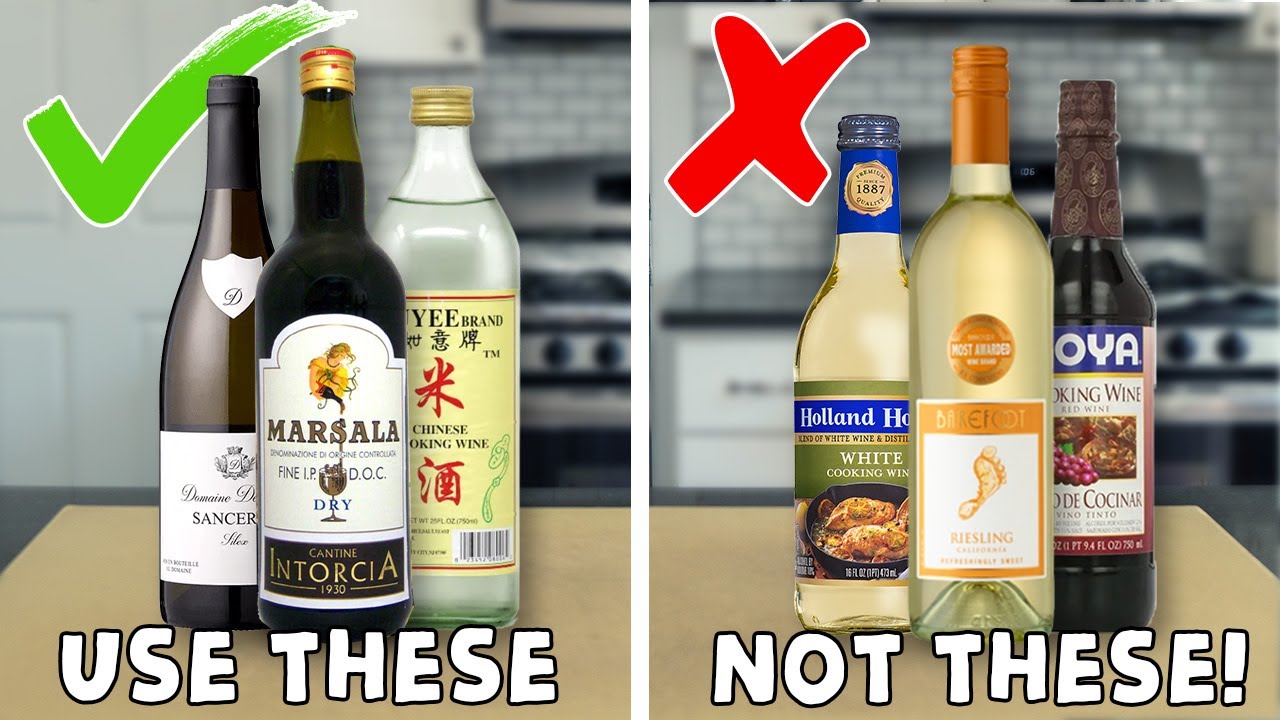
- Dont use cooking wine: Avoid using low-quality cooking wines that are often salty and lack flavor. Instead, invest in a good-quality dry white wine for the best results.
- Dont overpower your dish: While white wine can enhance flavors, too much can overwhelm a dish. Start with a small amount and gradually add more if needed.
- Dont forget to simmer: Always allow the wine to simmer and reduce before serving. This process helps to evaporate the alcohol and concentrate the flavors, ensuring a more refined taste.
By following these simple tips, you can elevate your cooking and create delicious meals that showcase the unique qualities of dry white wine.
Frequently Asked Questions About Cooking with Dry White Wine
What is dry white wine?
Dry white wine is a type of wine that has little to no residual sugar, resulting in a crisp and refreshing taste. Common varieties include Sauvignon Blanc, Chardonnay, and Pinot Grigio. These wines are often favored in cooking due to their ability to enhance the flavors of various dishes without adding sweetness. When selecting a dry white wine for cooking, its essential to choose a bottle that you would also enjoy drinking, as the quality of the wine can significantly impact the final dish.
How does cooking with dry white wine affect the flavor of a dish?
Cooking with dry white wine can add depth and complexity to your meals. The acidity in the wine helps to balance rich flavors, while its aromatic qualities can elevate the overall taste profile of a dish. Here are a few ways dry white wine enhances flavors:
- Deglazing: When used to deglaze a pan, dry white wine lifts the browned bits of food, creating a rich sauce.
- Marinades: Incorporating dry white wine in marinades can tenderize meat and infuse it with flavor.
- Cooking liquids: Adding wine to soups, stews, or risottos can create a harmonious blend of flavors.
Can I use any dry white wine for cooking?
While you can technically use any dry white wine for cooking, some wines are better suited for specific dishes. Its advisable to avoid overly expensive or complex wines, as their subtleties may be lost during cooking. Instead, consider these options:
- Sauvignon Blanc: Great for seafood dishes and light sauces.
- Chardonnay: Works well in creamy sauces and poultry dishes.
- Pinot Grigio: Ideal for pasta and vegetable recipes.
Using a quality, affordable dry white wine can enhance your cooking without breaking the bank. Always remember to taste the wine before adding it to your dish to ensure it complements the flavors you are working with.
See all our content in the Sitemaps or in our Vip Cheers Webmaps!
You read complete Best Dry White Wine for Cooking: Top Picks & Tips See more about liqueurs here Wine.
Leave a Reply