
Discover the Average Height of a Liquor Bottle Explained
- Understanding the Average Height of a Liquor Bottle: A Comprehensive Guide
- Factors Influencing the Average Height of Liquor Bottles
- Common Liquor Bottle Heights by Type: What to Expect
- How the Average Height of a Liquor Bottle Affects Storage and Display
- Measuring the Average Height of Liquor Bottles: Tips for Accurate Results
Understanding the Average Height of a Liquor Bottle: A Comprehensive Guide
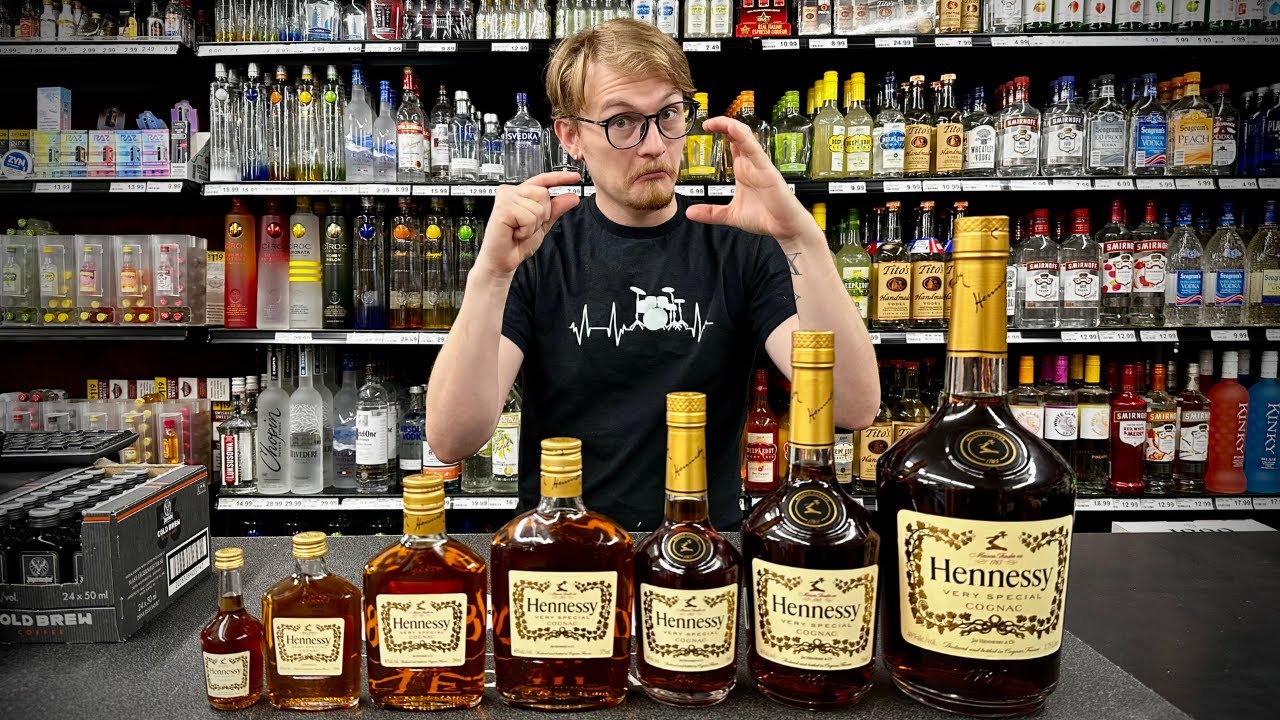
When it comes to liquor bottles, understanding their dimensions, particularly height, is essential for both consumers and retailers. The average height of a liquor bottle can vary significantly depending on the type of spirit, the brand, and the packaging design. Generally, most standard liquor bottles fall within the range of 10 to 14 inches tall. This range is designed to accommodate a variety of spirits, from whiskey and vodka to rum and gin, while also ensuring they fit comfortably on shelves and in cabinets.
Different categories of liquor bottles tend to have specific height characteristics. For example, vodka bottles often have a sleek, tall design, averaging around 12 inches in height, while whiskey bottles may be slightly shorter, typically around 10 to 11 inches. Additionally, unique bottle shapes and sizes can influence the overall height. Some brands may opt for wider bases or decorative elements that alter the height without changing the volume of liquid contained.
Factors such as bottle design and branding also play a significant role in determining the height of liquor bottles. Many premium brands invest in distinctive bottle shapes that not only stand out on the shelf but also reflect their brand identity. This can lead to variations in height, even among bottles that contain the same volume of liquid. For example, a 750ml bottle of gin may have a height of 11 inches, while a similarly sized tequila bottle could be as tall as 13 inches depending on its design.
When purchasing liquor, its helpful to consider the height of the bottle, especially if youre planning to store them in specific spaces, such as a home bar or cabinet. Understanding the average height can aid in making informed choices about your liquor selection and storage solutions. Keep in mind that while the average height serves as a guideline, the actual dimensions may vary, so its always wise to check the specifications before making a purchase.
Factors Influencing the Average Height of Liquor Bottles
The average height of liquor bottles can vary significantly based on several factors, including design, type of spirit, and marketing strategies. Each of these elements plays a crucial role in determining the final dimensions of a bottle, influencing not only aesthetics but also functionality and consumer perception.
1. Type of Spirit
Different types of spirits often come in distinct bottle shapes and sizes, which can affect their height. For example:
- Whiskey bottles typically have a squat, sturdy design, often ranging from 10 to 12 inches in height.
- Vodka bottles, on the other hand, tend to be taller and slimmer, averaging between 12 to 14 inches.
- Wine bottles vary as well, with standard bottles reaching around 12 inches, while some premium varieties can be taller.
This variance is not merely for aesthetics; it is also influenced by traditional packaging practices and the need for specific volumes.
2. Design and Branding
The design of a liquor bottle is often a reflection of the brand’s identity and target market. Innovative designs may result in taller bottles to create a more distinctive shelf presence. Brands may opt for:
- Unique shapes that stand out visually, leading to taller profiles.
- Decorative elements, such as embossed logos or intricate neck designs, that can add height.
- Limited editions that utilize taller bottles to signify exclusivity and premium quality.
Such branding strategies can significantly impact the average height of liquor bottles across different brands and products.
3. Packaging Regulations and Standards
Regulatory guidelines and industry standards also play a vital role in determining bottle height. Different regions may have specific regulations regarding:
- Labeling requirements, which can dictate the bottle shape and size to ensure compliance.
- Volume standards that require certain minimum heights to accommodate specific liquid measurements.
- Recycling initiatives that encourage manufacturers to adopt more uniform bottle sizes, impacting height consistency.
These factors ensure that bottles are not only functional but also meet legal requirements, which can lead to variations in height across different markets.
Common Liquor Bottle Heights by Type: What to Expect
When it comes to liquor bottles, height can vary significantly based on the type of spirit and the brand. Understanding these common heights can help you in various situations, from choosing the right storage solution to selecting bottles for a special event. Below, we’ll explore the typical heights of popular liquor types, giving you a clear idea of what to expect.
Standard Bottle Heights
Most standard liquor bottles, such as those for vodka, gin, or rum, typically fall within the range of 12 to 14 inches in height. These bottles often hold 750ml of liquid, making them a popular choice for bars and home collections. Some common heights include:
- Vodka: Generally around 12 to 13 inches.
- Whiskey: Usually between 12 and 14 inches.
- Tequila: Typically around 12 inches.
Variations in Specialty Bottles
Specialty liquor bottles, including those for liqueurs and flavored spirits, may vary more in height. These bottles can range from 8 to 12 inches, depending on the design and brand. For example, liqueurs like Amaretto or Irish Cream often come in shorter, wider bottles, while flavored vodkas might have taller, slimmer profiles. Here are some notable heights:
- Amaretto: Often about 8 to 10 inches.
- Irish Cream: Typically around 9 to 11 inches.
- Flavored Vodka: Can range from 10 to 12 inches.
Large Format Bottles
For those looking for larger quantities, large format bottles such as magnums and jéroboams can be quite impressive in height. These bottles often start at 14 inches and can go up to 3 feet for the most extravagant options. For example, a magnum of wine or champagne typically measures around 15 inches, while a jéroboam can exceed 24 inches. These oversized bottles are not only visually striking but also make a statement at events.
How the Average Height of a Liquor Bottle Affects Storage and Display
The average height of a liquor bottle plays a crucial role in both storage and display, impacting how products are organized and showcased in various environments. In retail settings, the height of liquor bottles can influence shelf design, product placement, and overall accessibility for consumers. For example, taller bottles may require specific shelving arrangements to ensure they fit comfortably without overcrowding, while shorter bottles can be stacked more easily, allowing for better use of vertical space.
Storage Solutions: When it comes to storage, the height of liquor bottles determines the type of storage solutions that can be utilized effectively. Here are some considerations:
- Shelf Height: Standard shelving units often have adjustable heights, but taller bottles may necessitate higher shelves, making it challenging for consumers to reach them.
- Stackability: Shorter bottles are generally easier to stack, which can maximize storage space in both home and commercial settings.
- Temperature Control: In environments like bars or restaurants, taller bottles may need to be stored in specific locations to ensure optimal temperature, affecting the overall layout.
Display Impact: The average height of liquor bottles also significantly influences how products are displayed. Retailers and bar owners often consider the visual appeal and accessibility of their liquor selection. Taller bottles can create a striking visual effect but may obstruct views of shorter items, leading to a less effective display. Key factors to consider include:
- Visual Hierarchy: A well-designed display should balance taller and shorter bottles to create an appealing visual hierarchy, drawing attention to premium products.
- Lighting: The height of bottles can impact how lighting is used in displays, with taller bottles requiring strategic positioning to avoid shadows that could detract from their attractiveness.
- Accessibility: Ensuring that all bottles are easily accessible is essential; displays that incorporate varying heights must consider the ease with which customers can reach and view each product.
In summary, the average height of liquor bottles has a profound effect on both storage and display strategies. Retailers must carefully consider these factors to optimize their product arrangement, enhance customer experience, and ultimately drive sales.
Measuring the Average Height of Liquor Bottles: Tips for Accurate Results
Measuring the average height of liquor bottles is essential for various reasons, such as optimizing shelf space, creating visually appealing displays, or even for shipping and packaging considerations. To ensure you obtain accurate results, follow these practical tips.
Use the Right Tools: The first step in measuring liquor bottle height is to select the appropriate tools. A standard measuring tape or a ruler will suffice for most bottles. However, for added precision, consider using a caliper, especially for bottles with unique shapes or necks. Ensure your measuring tool is straight and not warped, as this can affect the accuracy of your measurements.
Measure from the Base: To get an accurate measurement, always start from the base of the bottle. Place the measuring tape or ruler vertically against the bottle, ensuring it is perpendicular to the surface. Measure up to the highest point of the bottle, typically the neck or cap. For consistency, repeat this measurement several times and calculate the average if youre measuring multiple bottles.
Consider Bottle Variations: Liquor bottles come in various shapes and sizes, which can affect the average height. When measuring, take note of the bottle type—standard, flared, or tapered—and categorize them accordingly. If you are measuring a mixed collection, it may be beneficial to measure each category separately and then calculate an overall average for a more accurate result.
See all our content in the Sitemaps or in our Vip Cheers Webmaps!
You read complete Discover the Average Height of a Liquor Bottle Explained See more about liqueurs here Other Liquors.
Leave a Reply